
Our Wildlife Directory introduces the extraordinary animals you may encounter on safari. Learn to recognize key species, understand their behavior, and appreciate the fleeting moments that make wildlife photography truly rewarding.

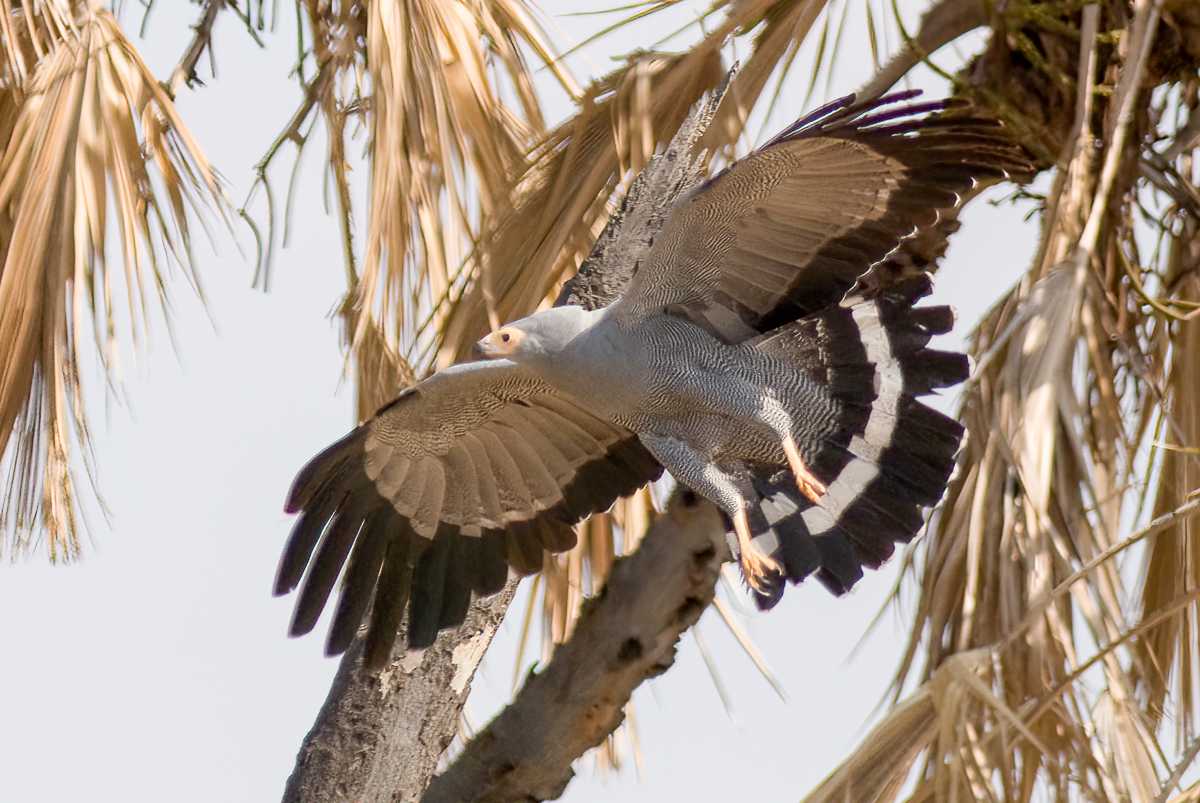 African Harrier-Hawk The African Harrier-Hawk (Polyboroides typus) is a versatile and opportunistic bird of prey found across sub-Saharan Africa, inhabiting forests, savannas, and urban areas. It is easily recognized by its gray body, black flight feathers, and striking yellow facial skin around the eyes. Adults(…) Read More
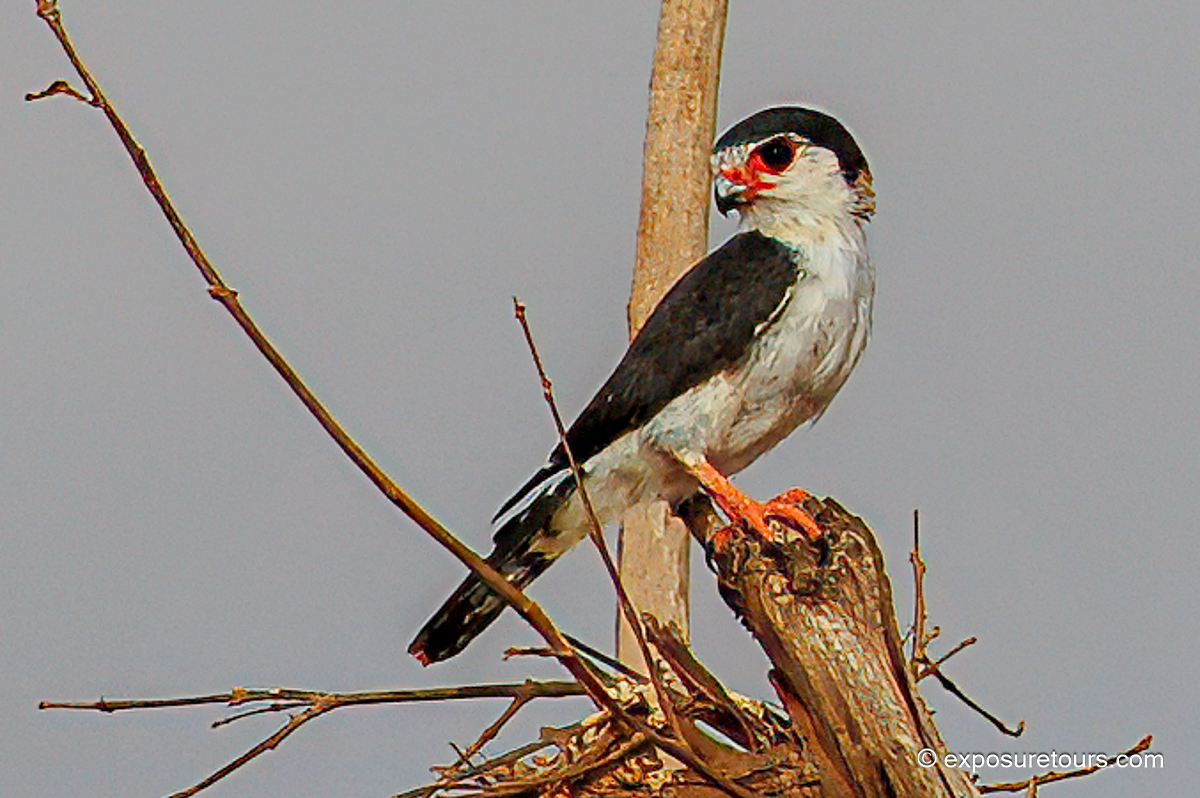 African Pygmy Falcon The African Pygmy Falcon (Polihierax semitorquatus) is Africa’s smallest bird of prey and a charismatic resident of dry savannas and open woodland. It is especially common in southern and eastern Africa. In particular, the species is closely associated with acacia landscapes. As a result, it(…) Read More
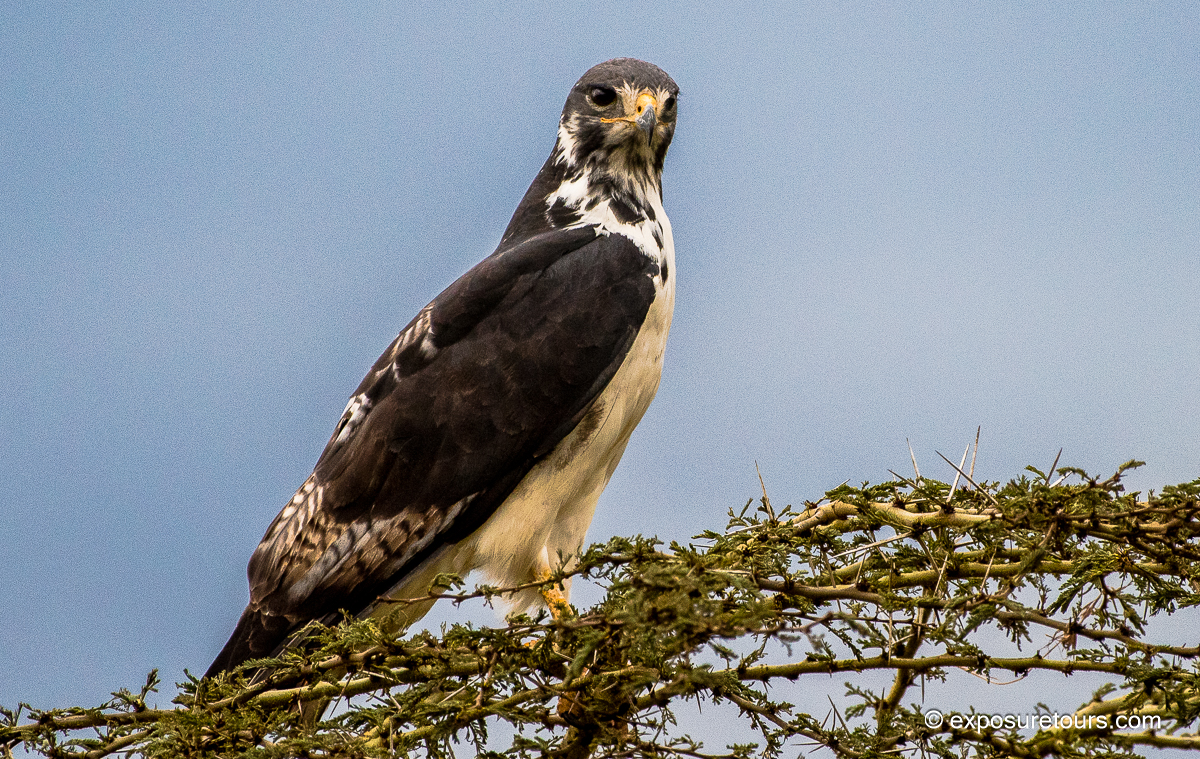 Augur Buzzard The augur buzzard (Buteo augur) is a powerful and striking bird of prey. It is commonly found across eastern and northeastern Africa. In particular, it favors open grasslands, highland plateaus, savannas, and agricultural areas. These habitats often provide elevated perches. As a result, the(…) Read More
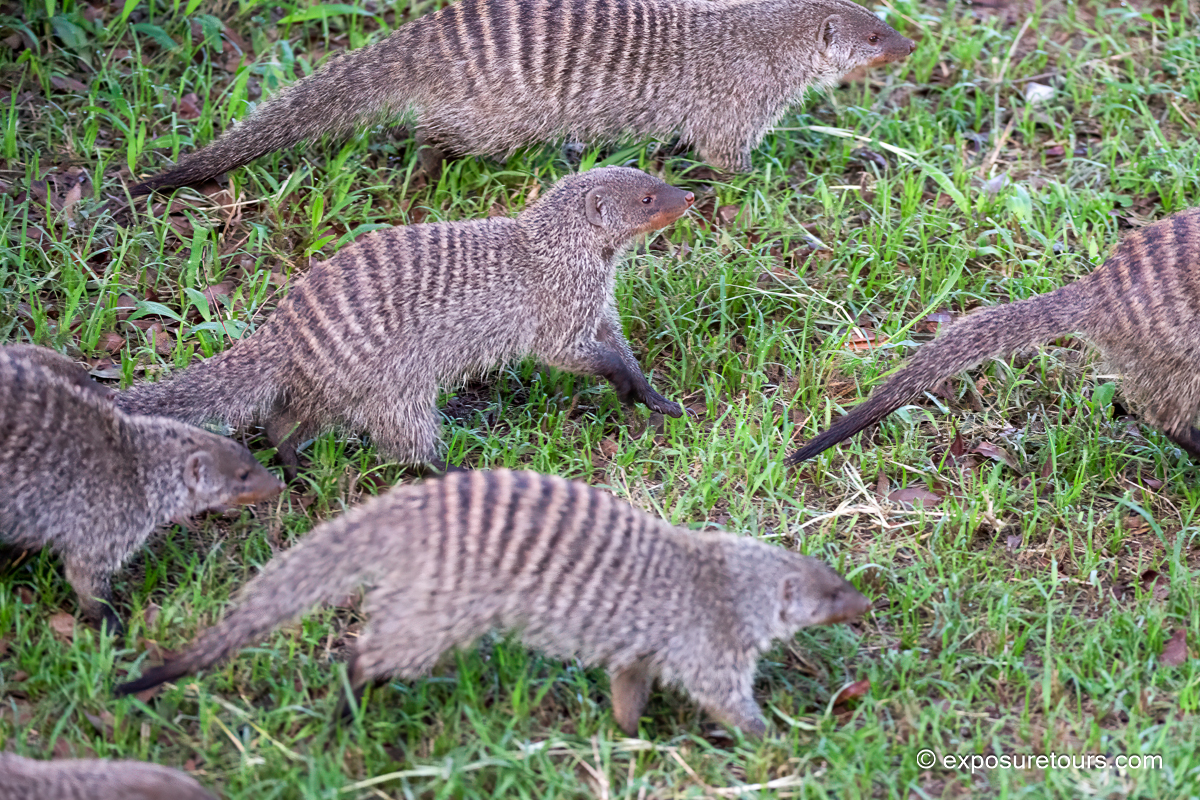 Mongoose (Banded) The banded mongoose (Mungos mungo) is a highly social small carnivore widely distributed across sub-Saharan Africa. It inhabits savannas, open woodlands, grasslands, and areas close to water. It is easily identified by the dark horizontal bands across its grey-brown body. These markings(…) Read More
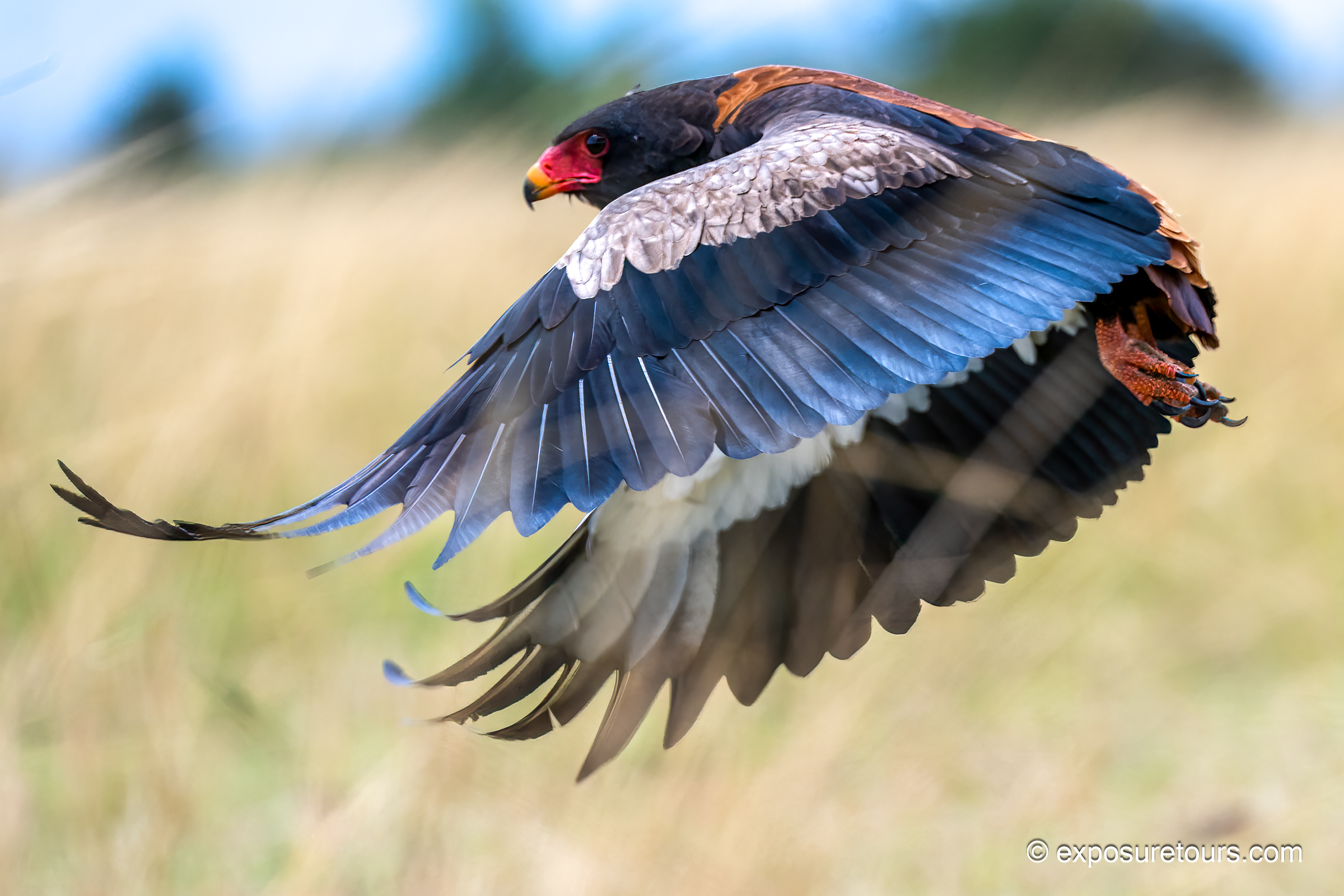 Bateleur (Bateleur eagle) The Bateleur (Terathopius ecaudatus) ranks among Africa’s most striking and instantly recognizable raptors. Its name comes from the French word bateleur, meaning “tightrope walker,” which directly refers to the bird’s distinctive rocking flight. Unlike many birds of prey, the Bateleur(…) Read More
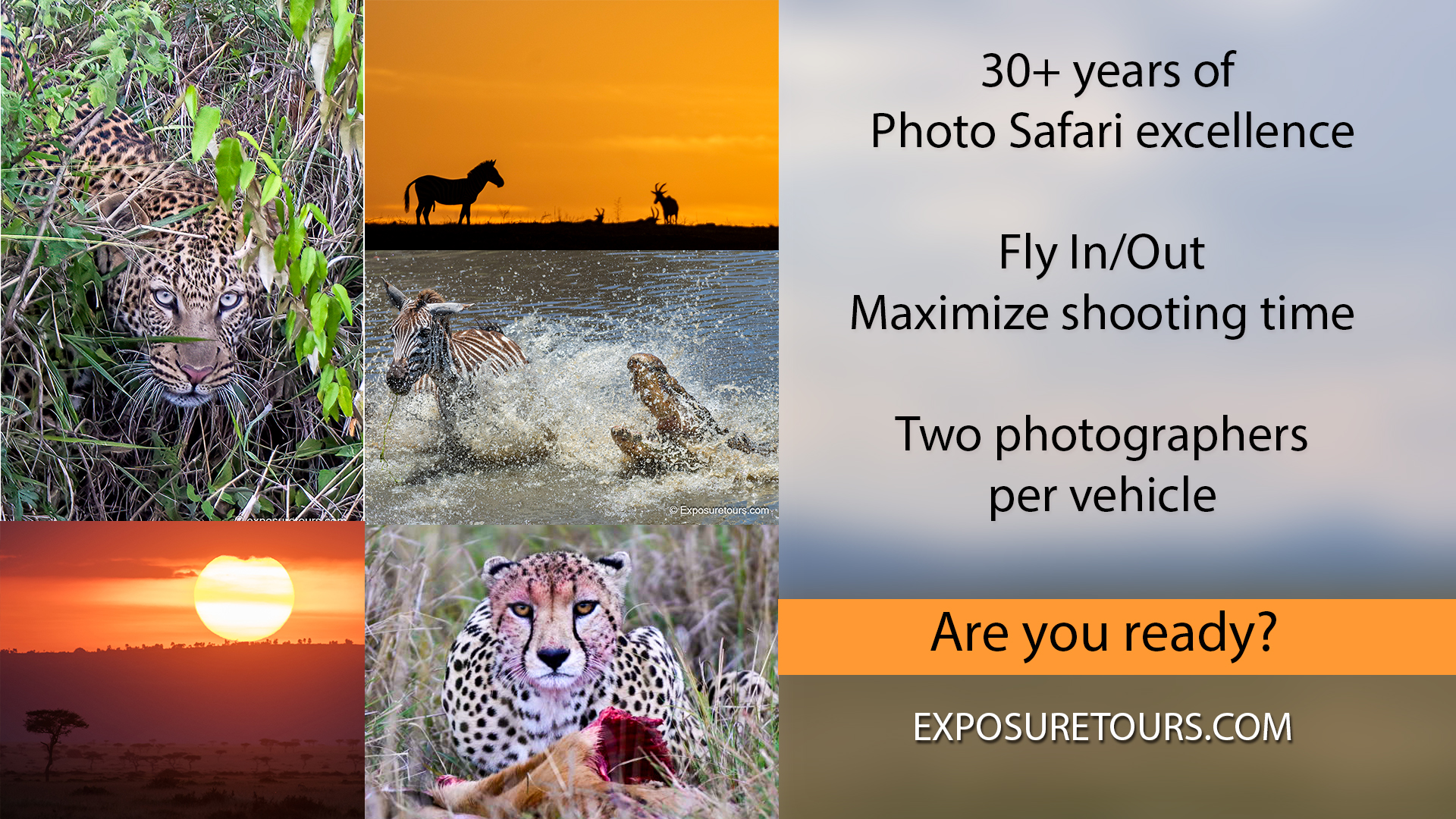 Big 5 Africa’s Big Five refers to five of the continent’s most iconic and sought-after large mammals: the African Elephant (Loxodonta africana), African Lion (Panthera leo), Leopard (Panthera pardus), Cape Buffalo (Syncerus caffer), and Black or White Rhinoceros (Diceros bicornis / Ceratotherium(…) Read More
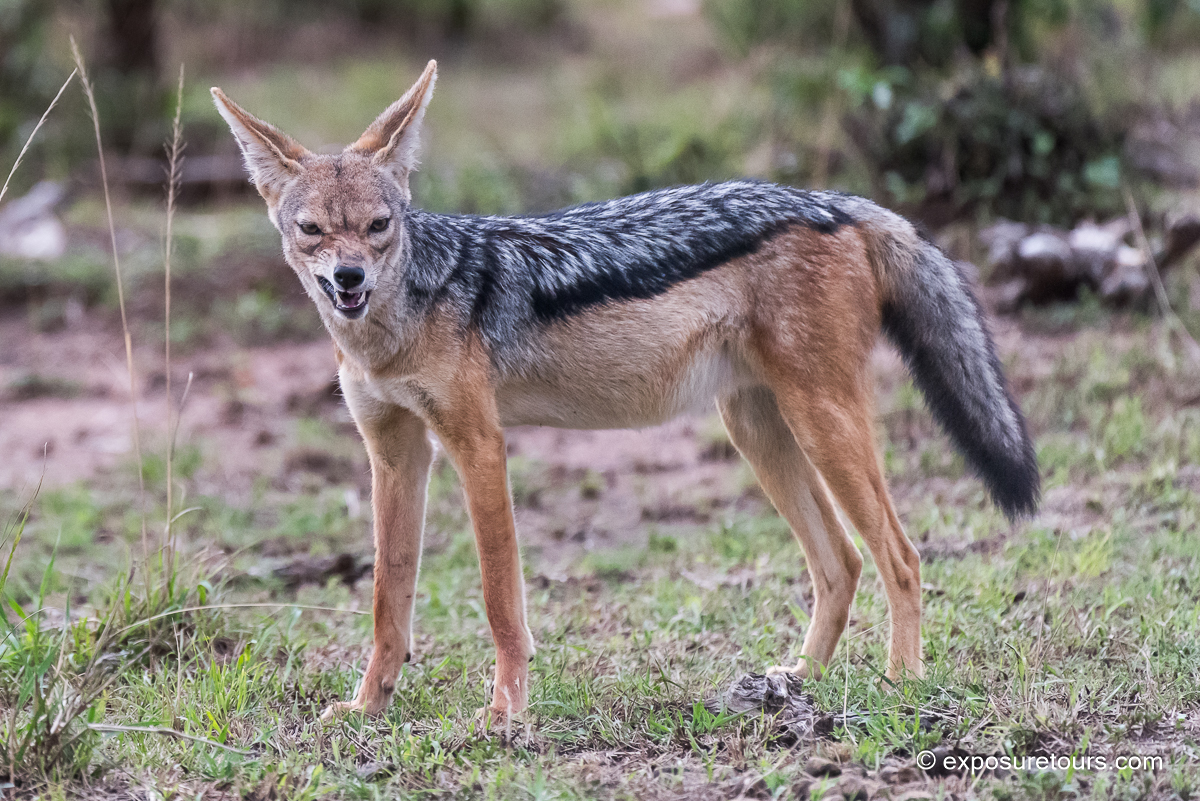 Jackal (Silver/Black Backed) The Black-backed Jackal (Canis mesomelas) is also know as the silver-backed Jackal. It is a sharp-featured and adaptable carnivore commonly found across savannas, grasslands, and semi-arid regions of eastern and southern Africa. It is easily identified by its reddish-brown flanks, white(…) Read More
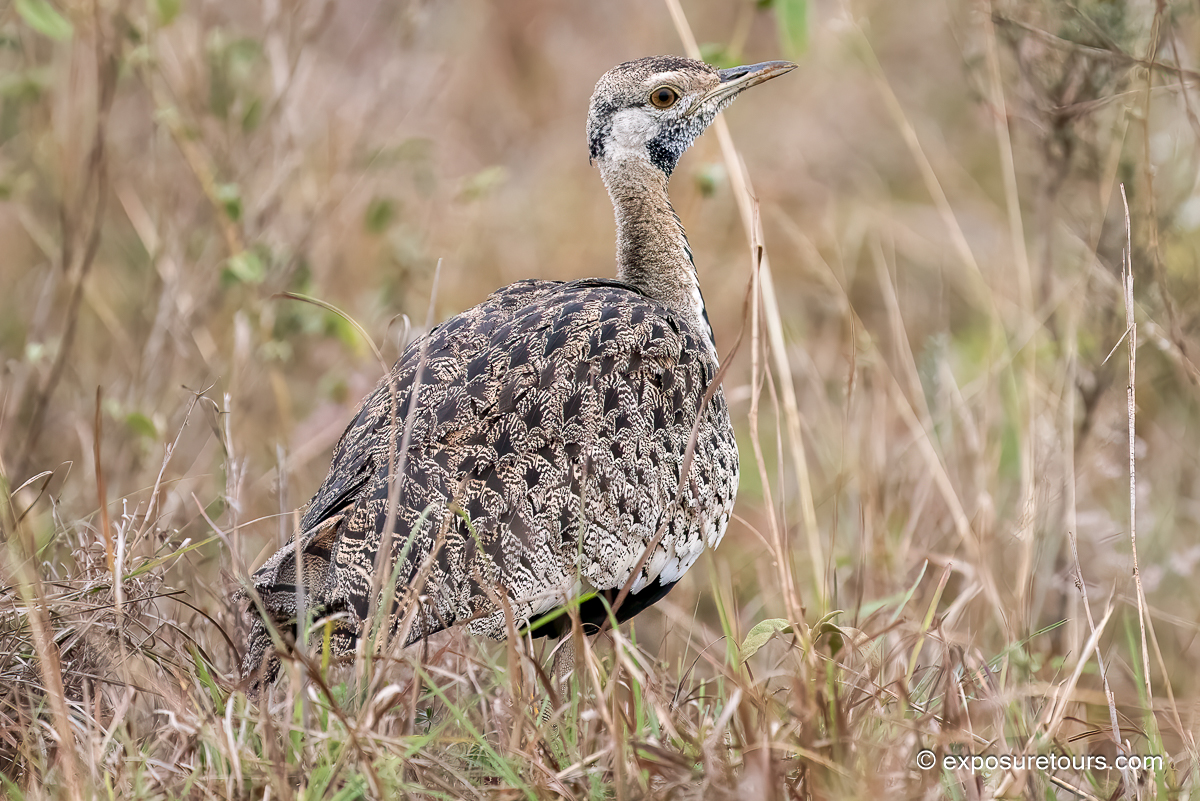 Black-bellied Bustard The Black-bellied Bustard (Lissotis melanogaster) is a large and elegant bird. They are found across the open savannas and grasslands of eastern and southern Africa. It is easily recognized by its striking plumage, with a distinctive black belly and pale head. Additionally mottled brown(…) Read More
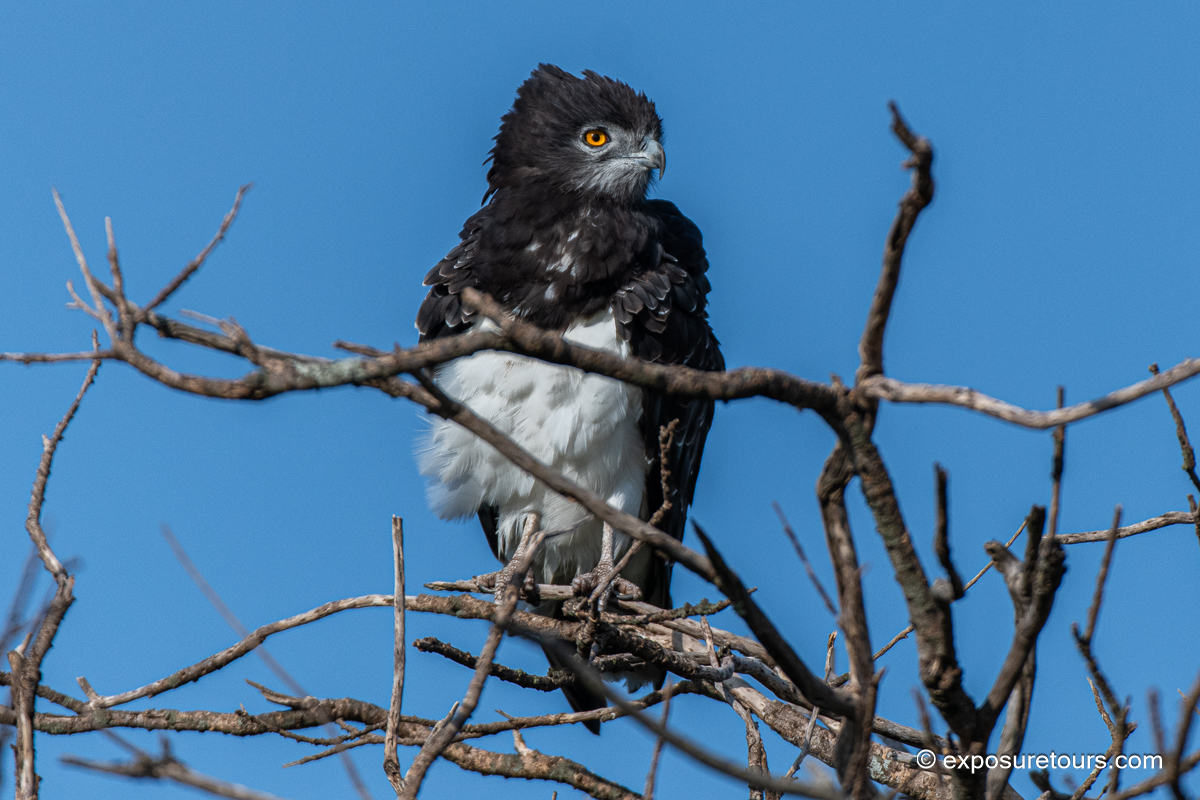 Black-chested Snake Eagle The Black-chested Snake Eagle (Circaetus pectoralis) is a powerful and distinctive raptor of sub-Saharan Africa. It is most commonly encountered in savannas, open woodlands, and lightly bushed grasslands where reptiles are abundant. It is immediately recognizable by its striking black(…) Read More
 Rhinoceros (Black) The black rhinoceros (Diceros bicornis) is a critically endangered and iconic species of Africa’s savannahs, woodlands, and arid bushlands. Although smaller than the white rhino, it remains an imposing animal. Adults typically stand about 1.4–1.7 m (4.6–5.6 ft) at the shoulder. They usually(…) Read More
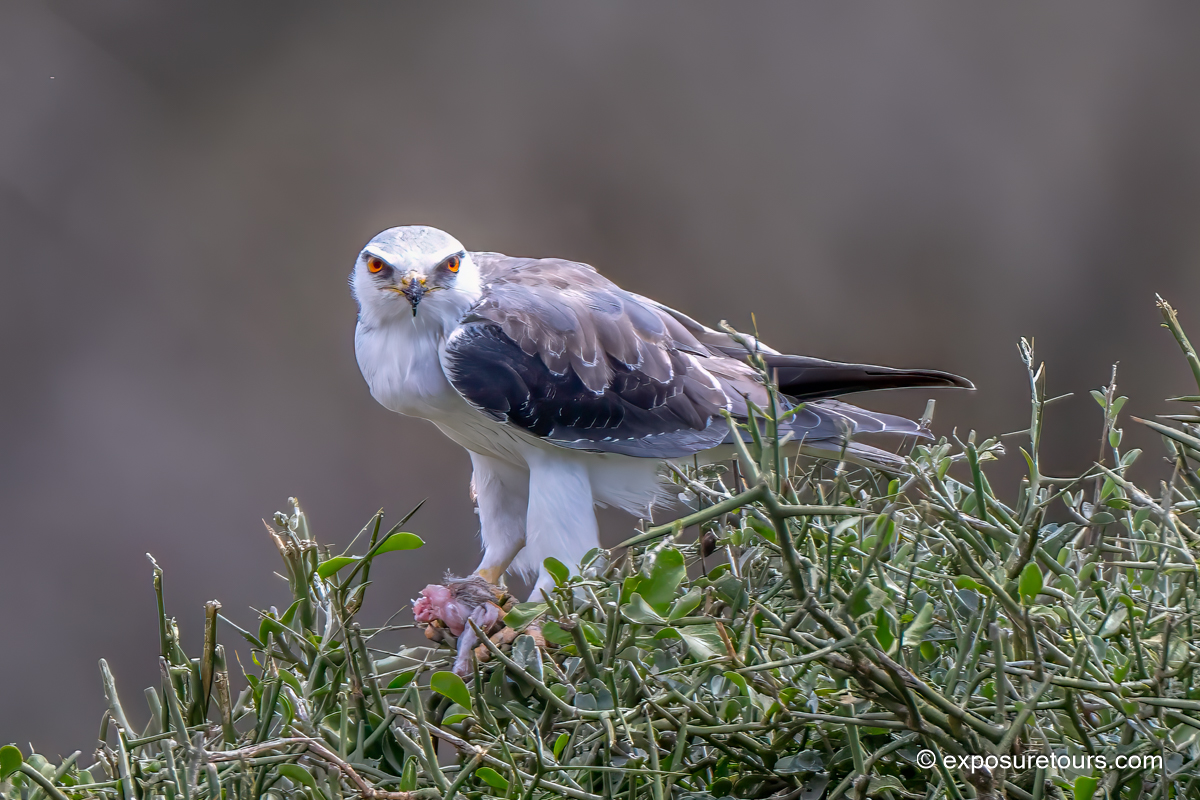 Black-Winged (Shouldered) Kite The Black-winged Kite (Elanus caeruleus), also known as the Black-winged Shouldered Kite, is a small and striking raptor that ranges widely across Africa, southern Europe, and parts of Asia. It thrives in open grasslands, savannas, and agricultural areas, where it actively hunts over wide,(…) Read More
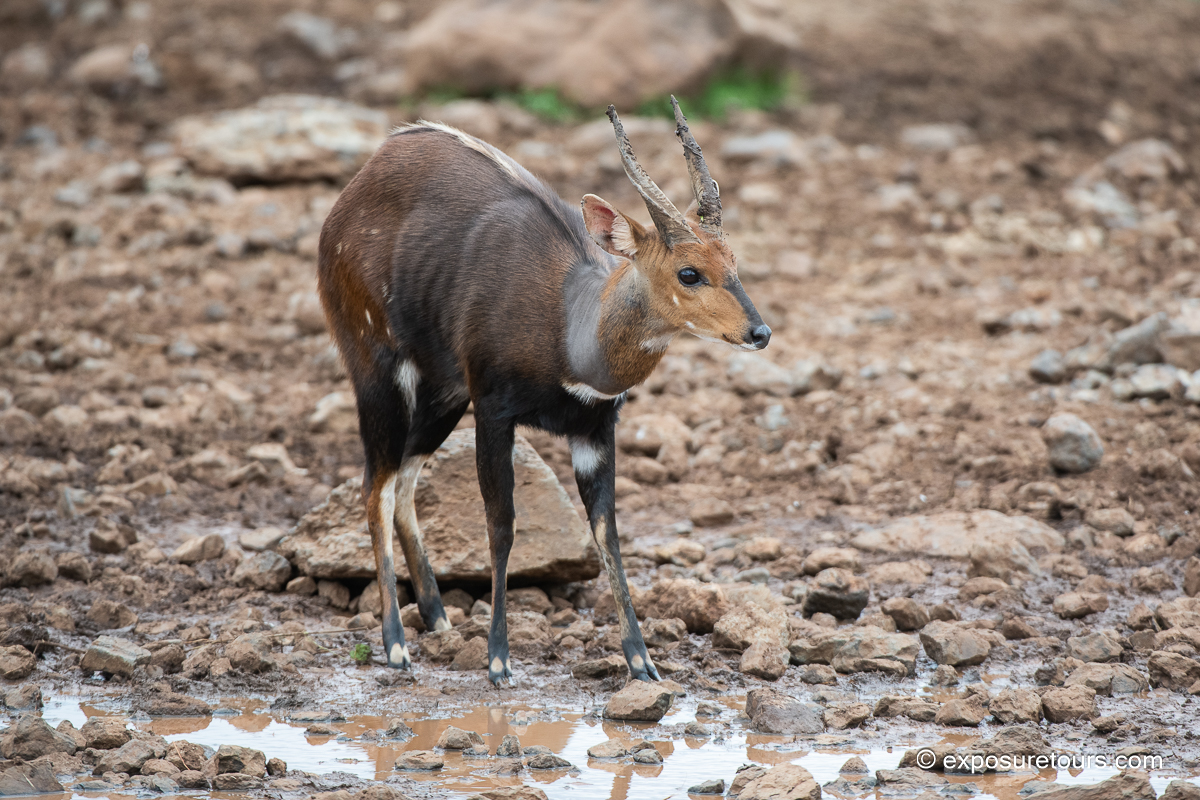 Bushbuck The bushbuck (Tragelaphus sylvaticus) is a shy and elegantly built antelope that is widely distributed across sub-Saharan Africa. It favors dense woodland, riverine forest, thickets, and well-vegetated savannas. In appearance, it is a medium-sized antelope with a slender body and large ears.(…) Read More
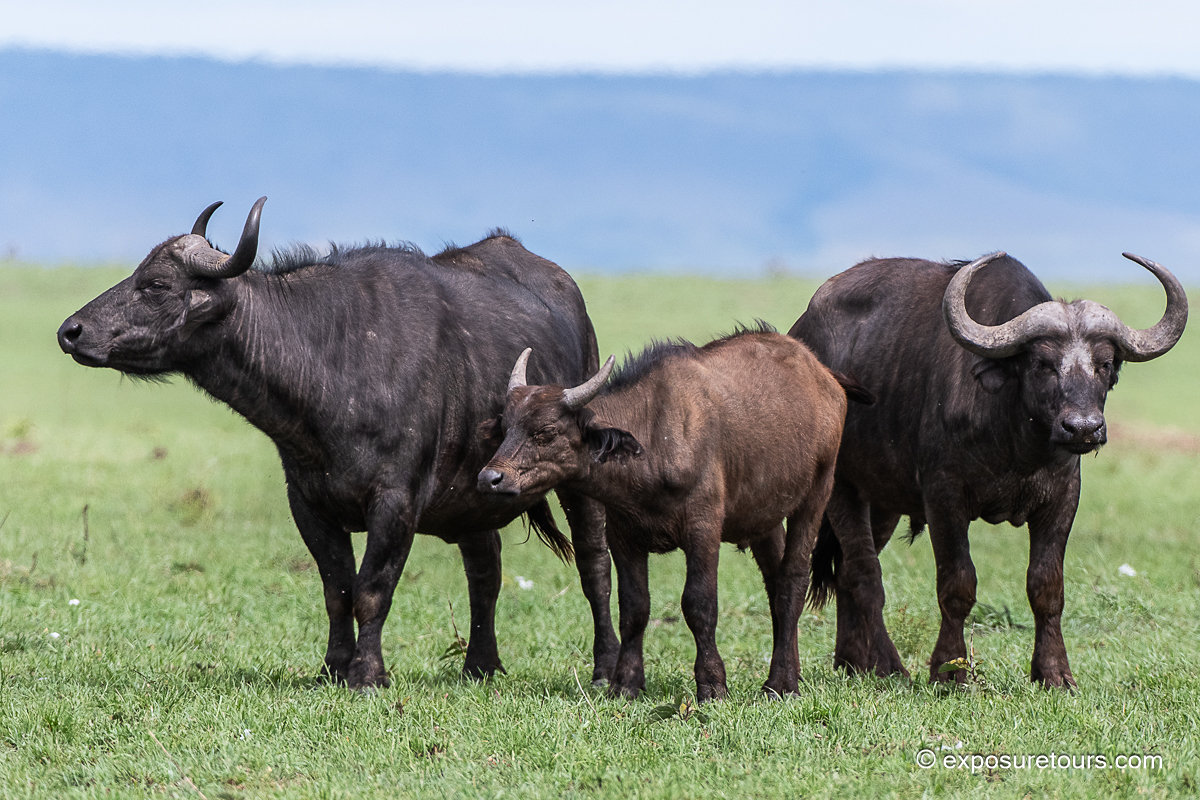 Buffalo (Cape) The Cape Buffalo (Syncerus caffer) is one of Africa’s most powerful and iconic large mammals. It inhabits savannas, floodplains, woodlands, and grasslands across sub-Saharan Africa. Notoriously strong and unpredictable, this species is easily recognized by its massive build and dark, coarse(…) Read More
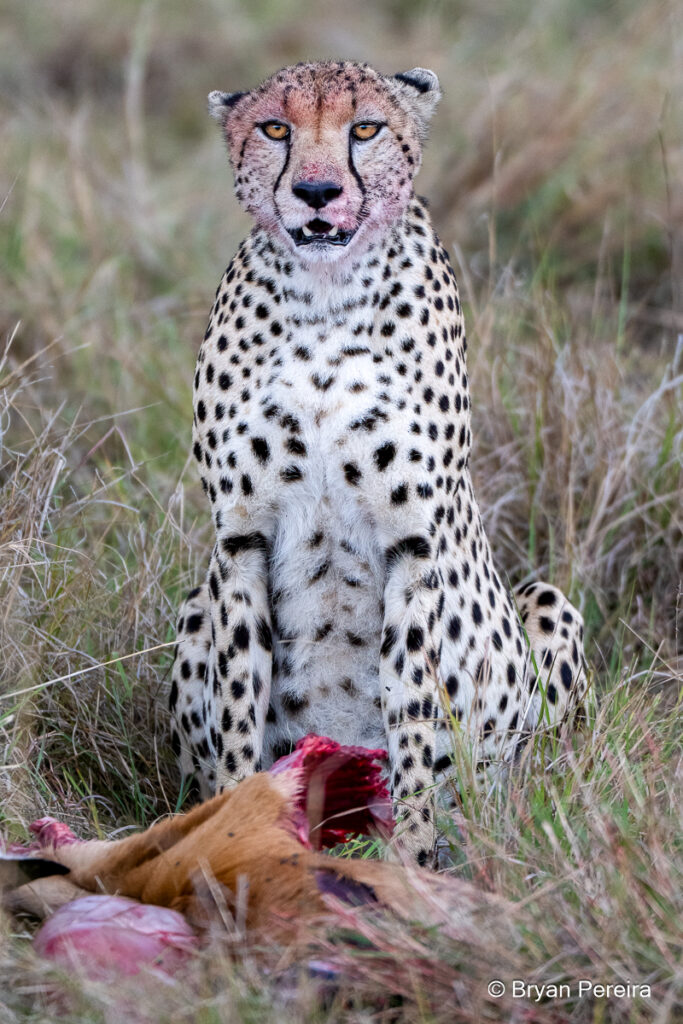
 Cheetah The cheetah (Acinonyx jubatus) is the fastest land animal on Earth. It can reach speeds up to 112 km/h (70 mph) in short bursts. Adults typically measure 1.1–1.5 m (3.6–4.9 ft) in body length, with a tail adding another 60–80 cm (2–2.6 ft). Shoulder height ranges from 70–90 cm (28–35 in).(…) Read More
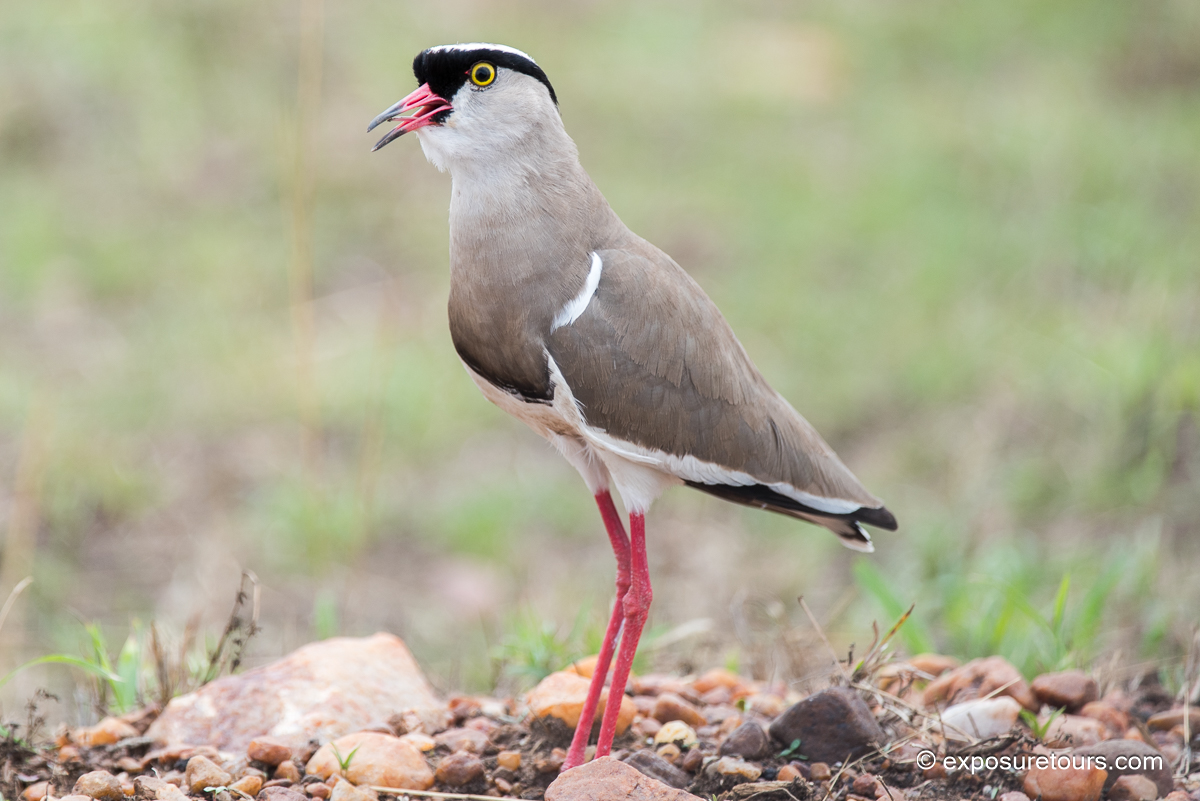 Crowned Lapwing The crowned lapwing (Vanellus coronatus), also known as the crowned plover, is a striking and alert wader. It is commonly found across eastern and southern Africa. In particular, it favors open grasslands, short savannas, floodplains, and even cultivated fields. These habitats provide wide(…) Read More
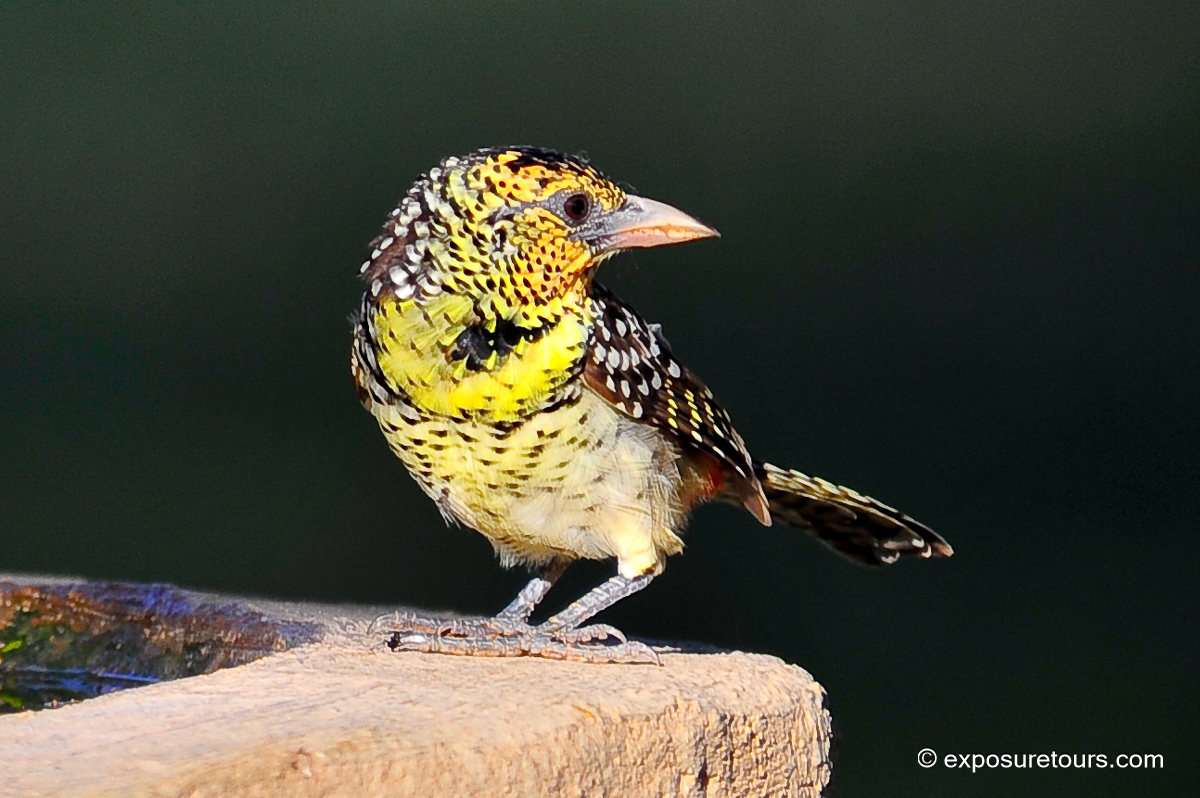 D’Arnaud’s Barbet D’Arnaud’s Barbet (Trachyphonus darnaudii) is a small, vibrantly colored bird found in the savannas and open woodlands of East Africa. It occurs particularly in Kenya and Tanzania. As a result, it is a familiar sight on many safaris in the region. The species is instantly recognizable by its(…) Read More
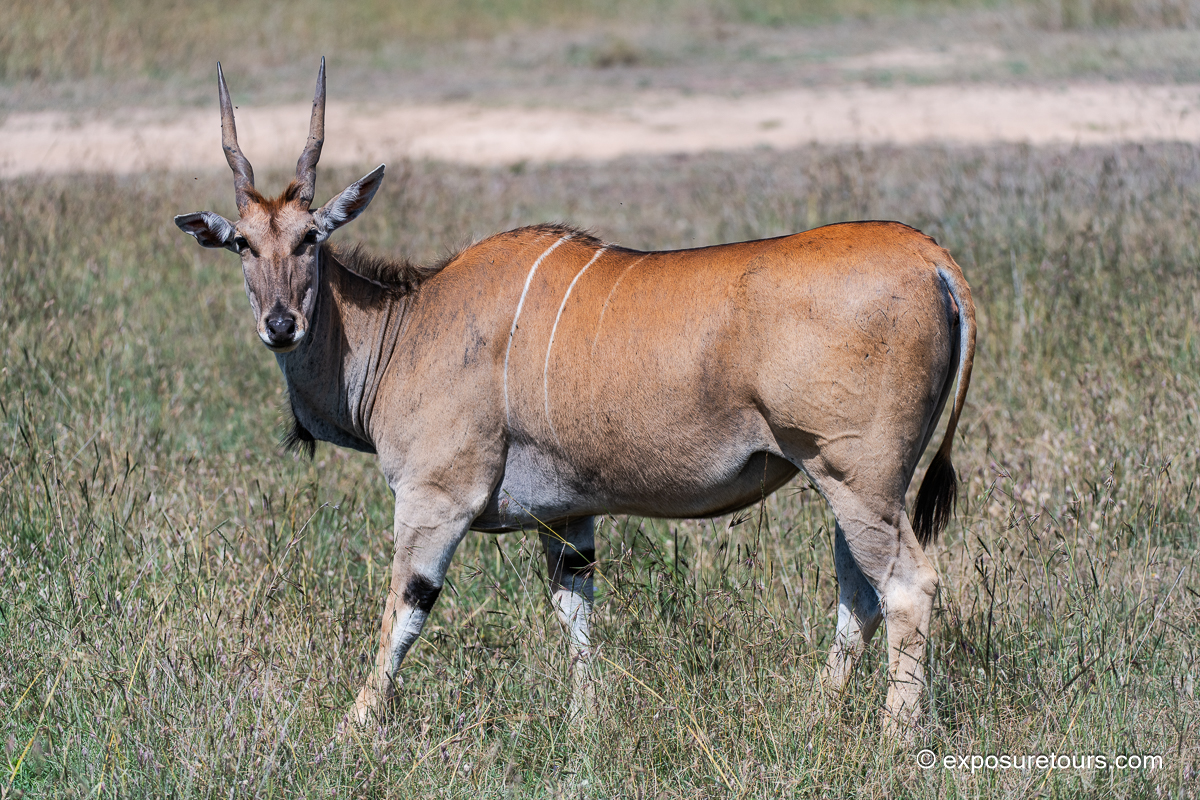 Eland The Eland (Taurotragus oryx), the largest of all antelope species, is a powerful yet surprisingly graceful inhabitant of Africa’s savannas, woodlands, and open plains. Adult males can stand up to 180 cm (71 in) at the shoulder. They may weigh between 400–1,000 kg (880–2,200 lbs). Females(…) Read More
 Elephant The African elephant belongs to the genus Loxodonta and has two recognized species: the African savanna elephant (Loxodonta africana) and the African forest elephant (Loxodonta cyclotis). Savanna elephants are larger. Adult males stand 3–4 meters (10–13 ft) at the shoulder and weigh(…) Read More
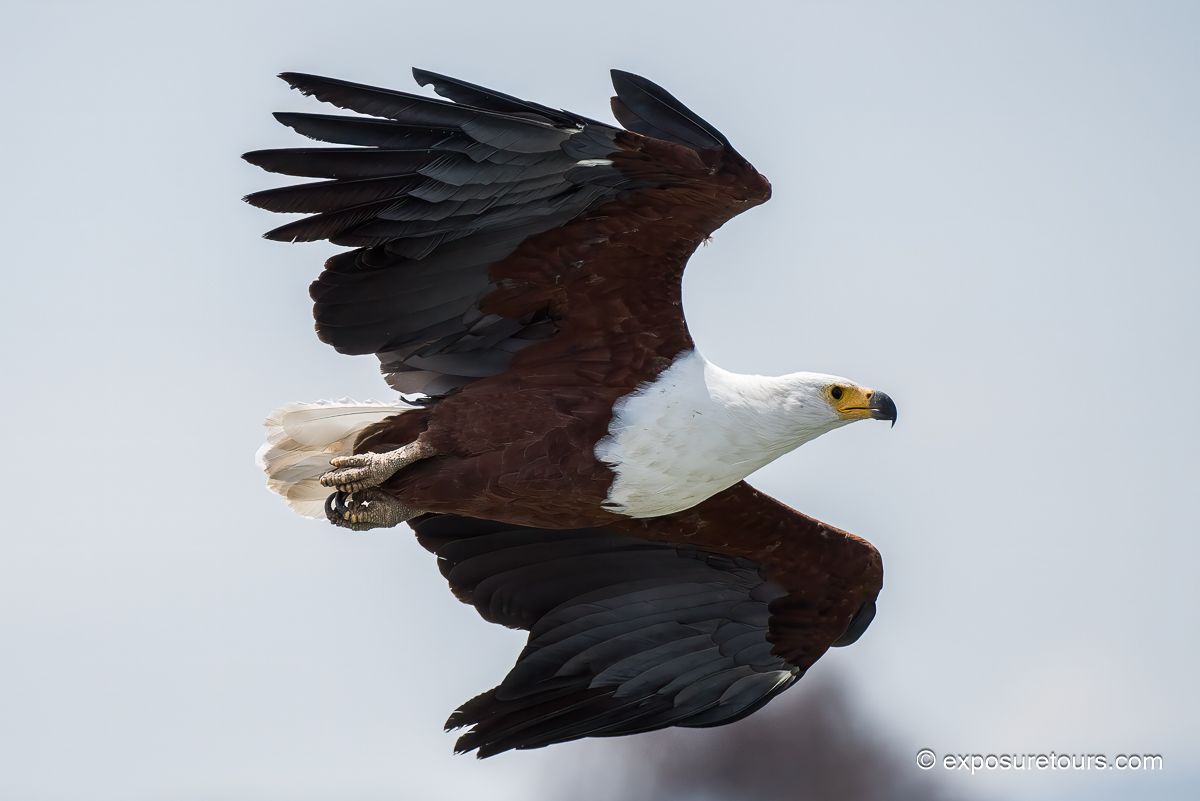 Fish Eagle (African) The African Fish Eagle (Haliaeetus vocifer) is one of Africa’s most iconic raptors and a powerful symbol of wild waterways. It is widely distributed along lakes, rivers, reservoirs, and coastal lagoons throughout sub-Saharan Africa. Adults typically measure about 63–75 cm (25–30 in) in(…) Read More
 Gerenuk he gerenuk, also known as the giraffe gazelle (Litocranius walleri), is a distinctive antelope found in the dry bushlands and semi-arid regions of East Africa. It is immediately recognizable by its elongated neck and slender body. A small head further enhances its unique, almost giraffe-like(…) Read More
 Giant Forest Hog The giant forest hog (Hylochoerus meinertzhageni) is the largest and most imposing member of the pig family and a rarely seen highlight of African forests and woodland ecosystems. Found in central and western Africa, as well as parts of East Africa, this powerful animal favors dense forests,(…) Read More
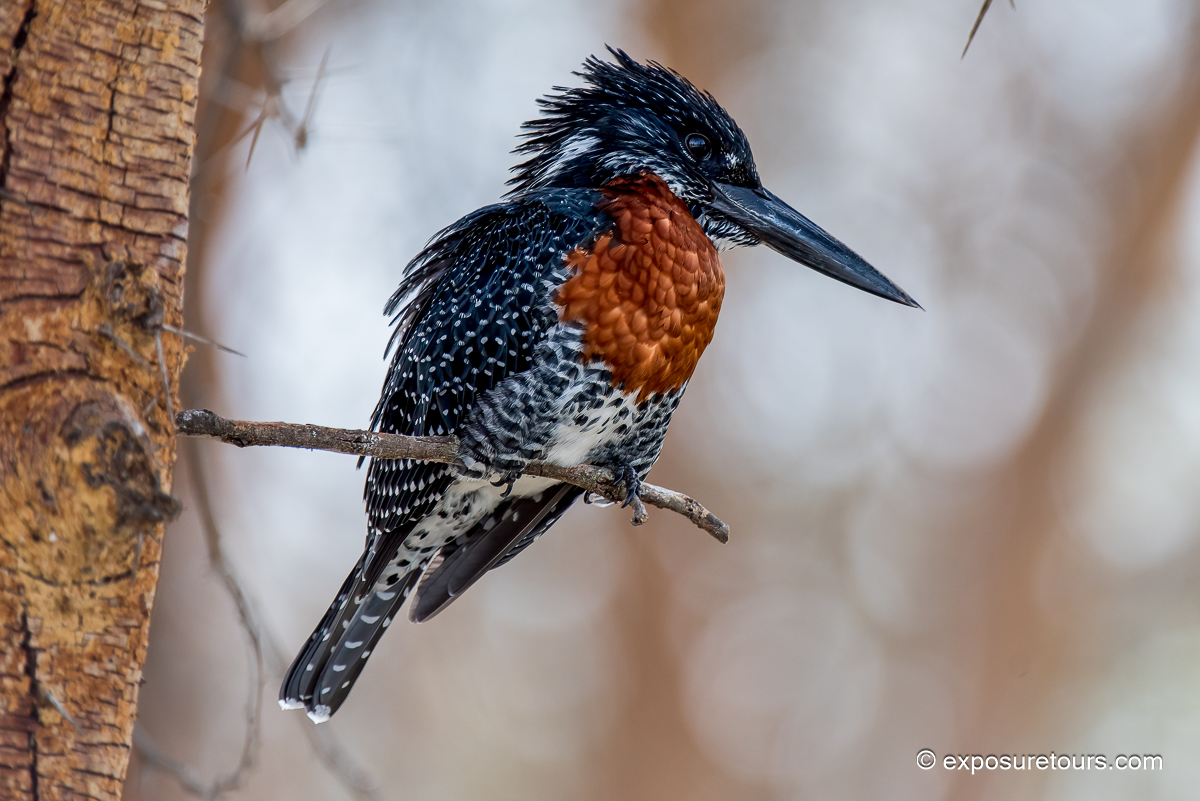 Giant Kingfisher The Giant Kingfisher (Megaceryle maxima) is Africa’s largest kingfisher and a striking presence along rivers, lakes, and wetlands throughout sub-Saharan Africa. It is easily recognized by its bold black-and-white spotted plumage, large crest, and massive, dagger-like bill. Adults(…) Read More
 Giraffes The giraffe (Giraffa camelopardalis) is the tallest land animal on Earth. It is known for its long neck, striking coat patterns, and graceful presence on the African savannah. Adult giraffes can reach 4.5 to 6 meters (15–20 feet) in height. Males are generally larger than females. They weigh(…) Read More
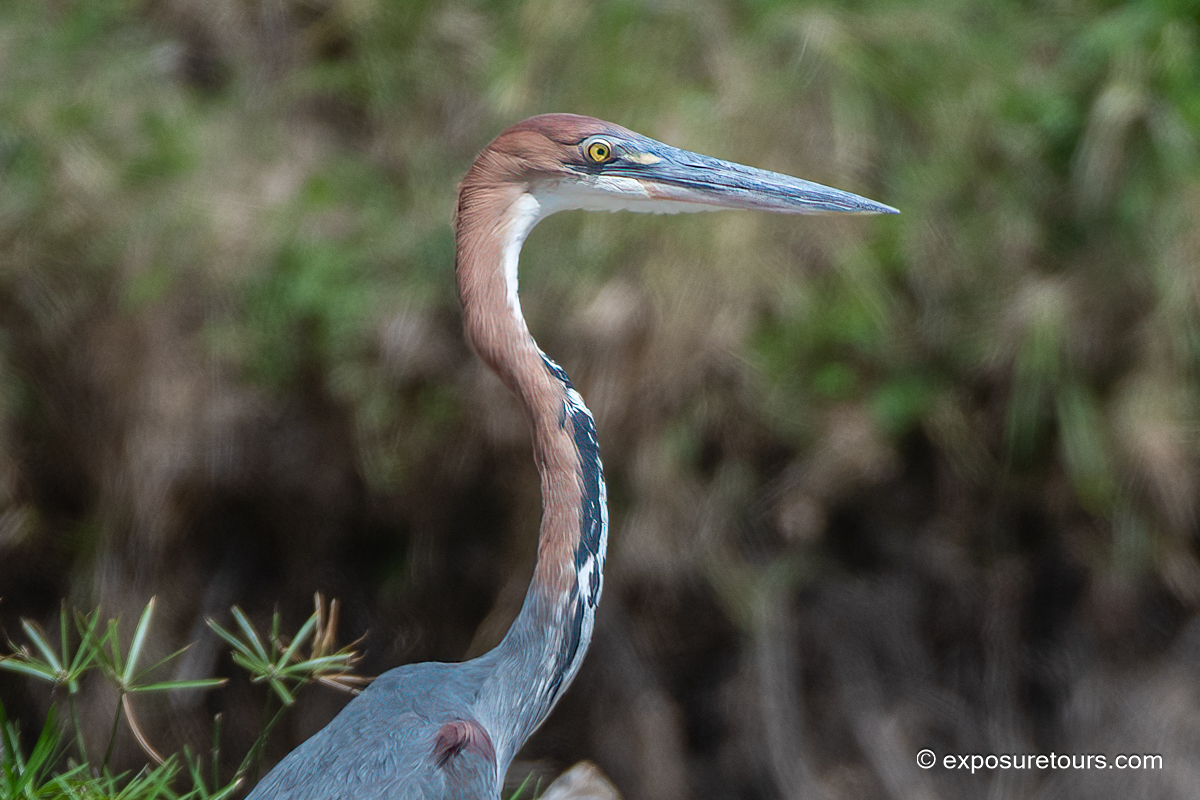 Heron (Goliath) The Goliath Heron (Ardea goliath) is the largest heron in the world and a truly impressive sight in African wetlands, rivers, and lakes. It is easily recognized by its massive size, rusty-brown head and neck, slate-grey body, and long, powerful bill. Adults typically stand about 120–152 cm(…) Read More
 Grant’s Gazelle Grant’s Gazelle (Nanger granti) is one of East Africa’s most elegant and striking antelopes. It is easily recognizable by its long, slender legs and impressive curved horns. Adult males typically stand around 90–100 cm at the shoulder, while females are slightly smaller at 75–90 cm. They(…) Read More
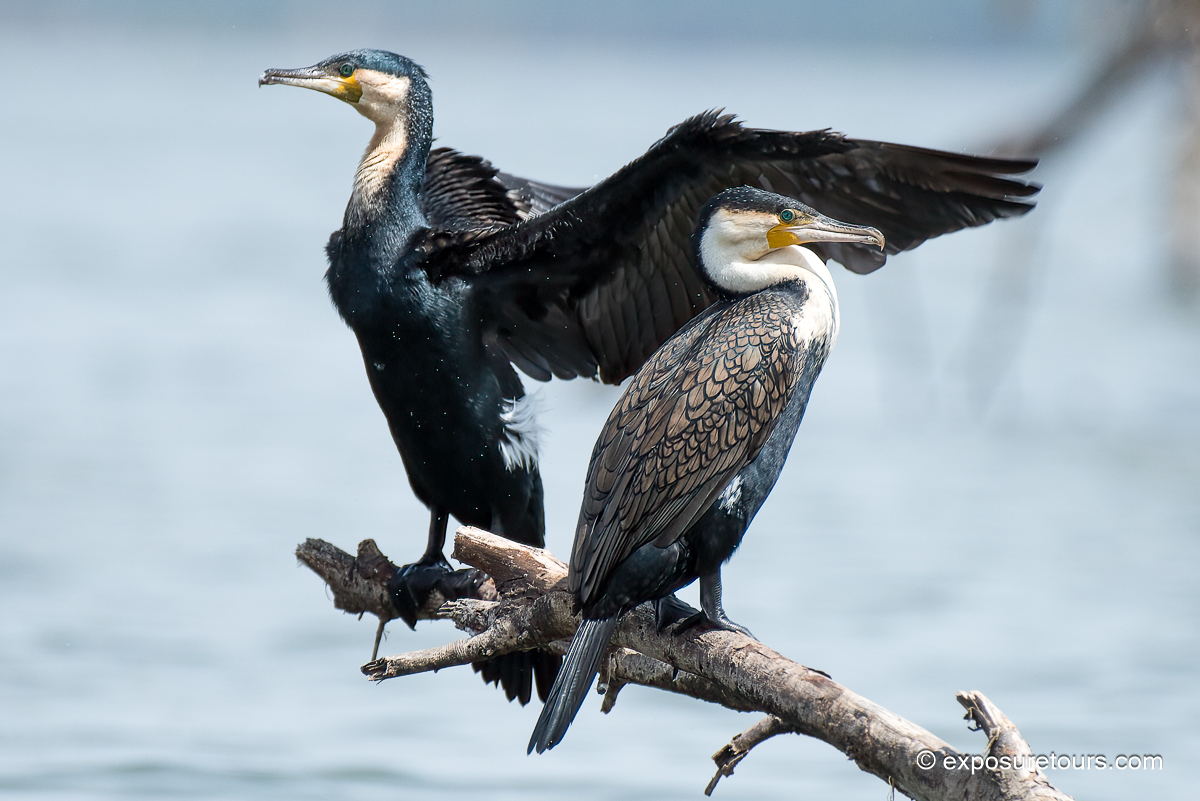 Great Cormorant The Great Cormorant (Phalacrocorax carbo) is a large and powerful waterbird with a broad distribution across Africa, Europe, and Asia. In Africa, it is commonly found along large lakes, rivers, reservoirs, and coastal areas. As a result, it is often encountered in both inland and coastal(…) Read More
 Grey Crowned Crane The Grey Crowned Crane (Balearica regulorum) is one of Africa’s most iconic and visually striking birds. It is celebrated for its golden crown of stiff feathers and elegant stature. The species is commonly found in wetlands, marshes, and open grasslands across eastern and southern Africa. As(…) Read More
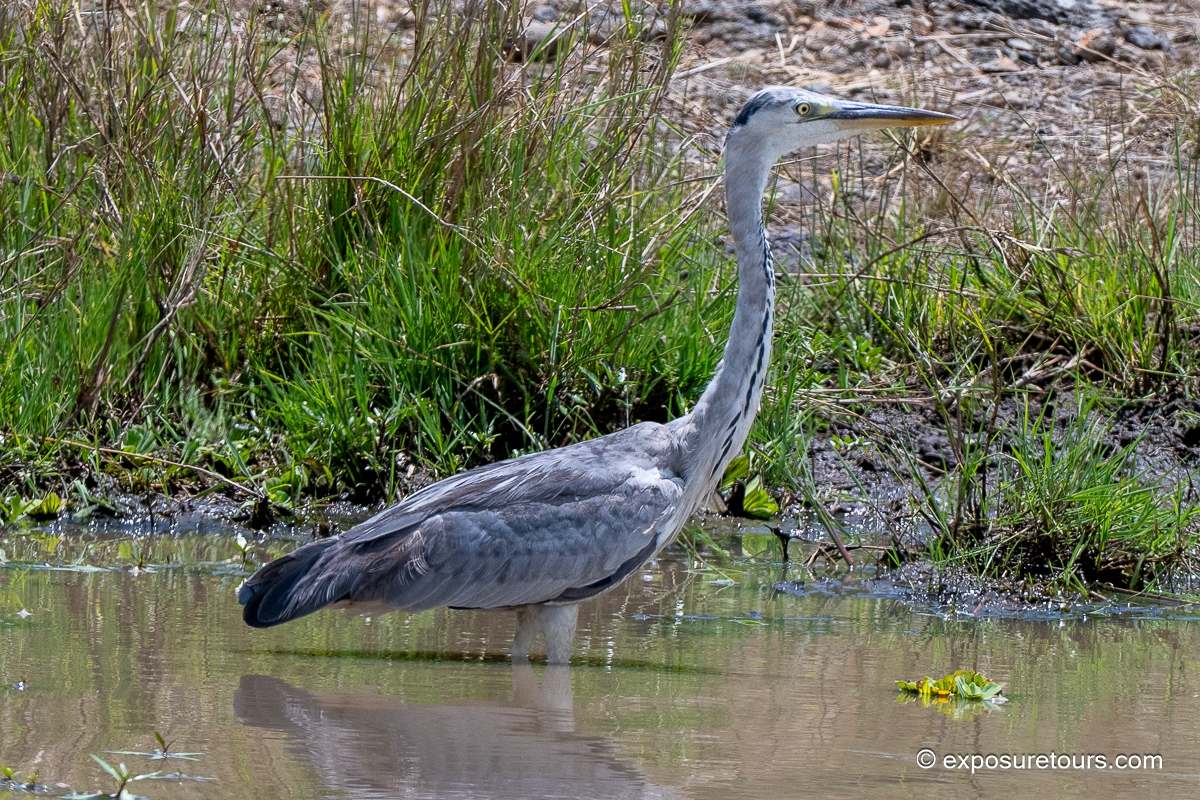 Heron (Grey) The Grey Heron (Ardea cinerea) is a tall and elegant wading bird found throughout Africa, Europe, and parts of Asia. In sub-Saharan Africa, it is commonly seen in wetlands, rivers, lakes, and coastal areas. Adults typically measure 84–102 cm (33–40 in) in length. They also have a wingspan of(…) Read More
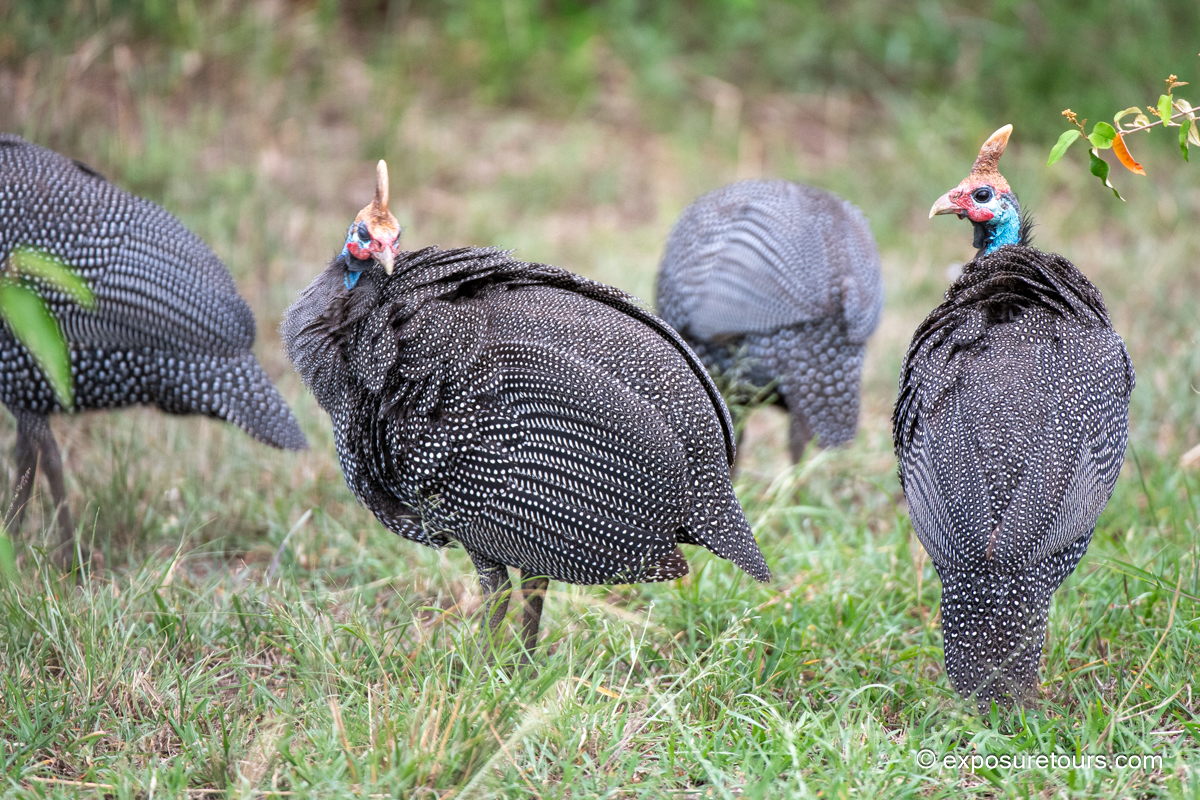 Guinea Fowl (Helmeted) The Helmeted Guinea Fowl (Numida meleagris) is a distinctive ground-dwelling bird widely distributed across sub-Saharan Africa. It thrives in savannas, open grasslands, agricultural areas, and woodland edges. In these habitats, it actively forages in groups for seeds, insects, and small(…) Read More
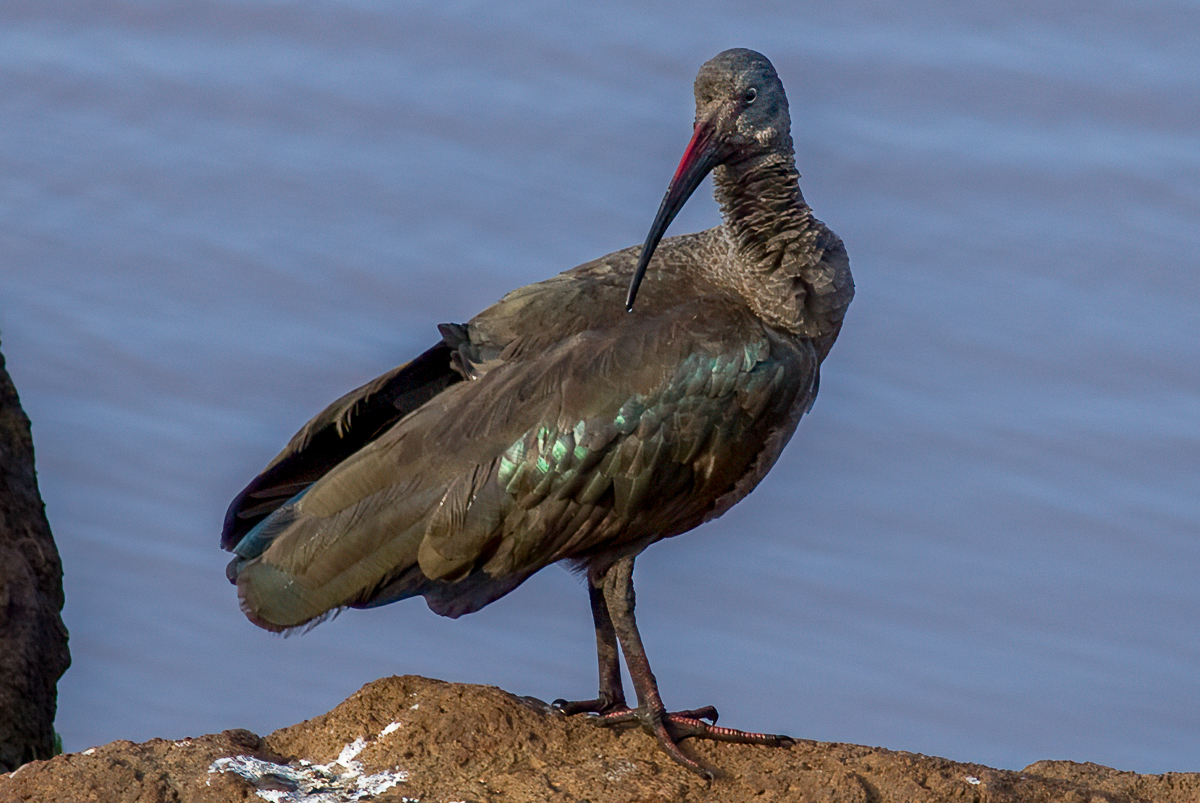 Hadada Ibis The Hadada Ibis (Bostrychia hagedash) is a large, unmistakable wading bird found across much of sub-Saharan Africa. Found in wetlands and riverbanks to open grasslands and urban parks. It is best known for its loud, far-carrying calls, often heard at dawn and dusk. Adults typically(…) Read More
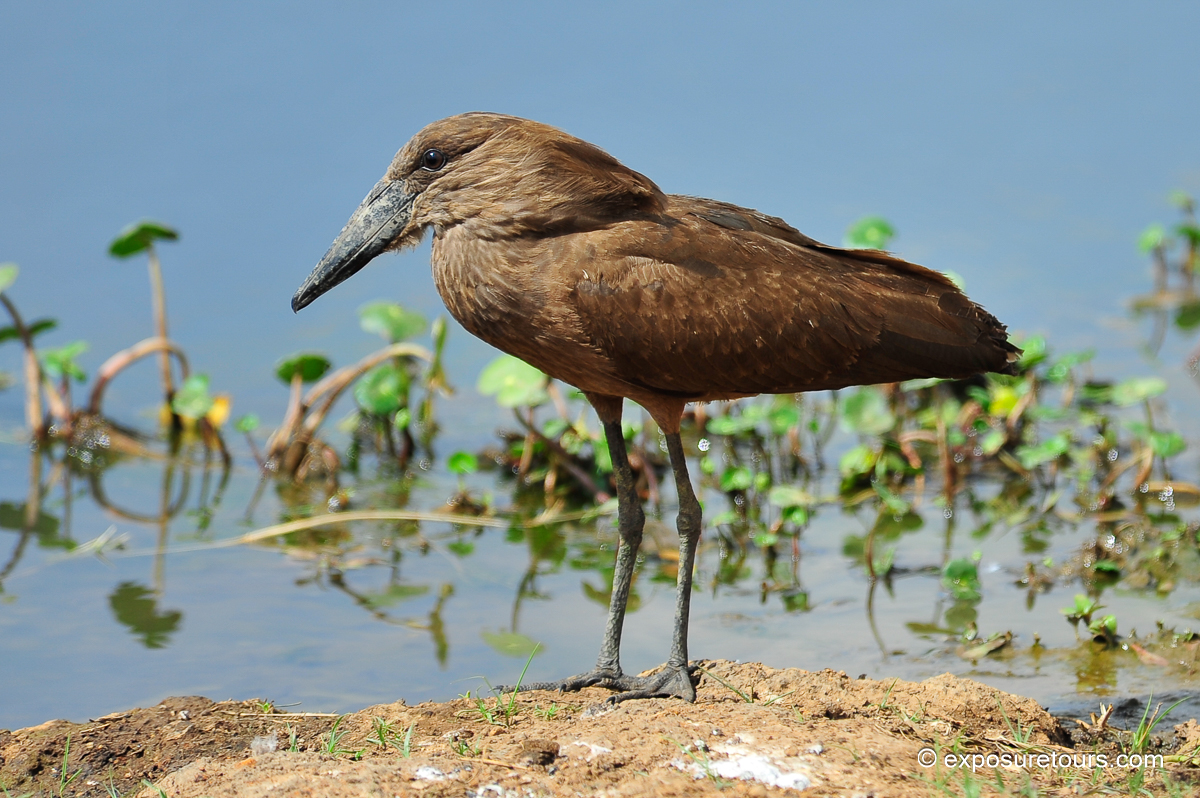 Hamerkop The Hamerkop (Scopus umbretta) is a unique and instantly recognizable waterbird found across wetlands, rivers, lakes, and floodplains throughout sub-Saharan Africa and parts of the Arabian Peninsula. It takes its name from the distinctive hammer-shaped head, formed by a long crest at the back(…) Read More
 Hartebeest The hartebeest (Alcelaphus buselaphus) is a tall, long-legged antelope found across Africa’s open savannahs, grasslands, and lightly wooded plains. It is instantly recognizable by its sloping back and elongated face. Its sharply angled horns further add to its distinctive appearance. The(…) Read More
 Hartlaub’s turaco Hartlaub’s turaco (Tauraco hartlaubi) is a striking, medium-sized bird native to the montane forests of East Africa. In particular, it is most commonly found in Kenya and northern Tanzania. The species is easily recognized by its vivid green plumage. Additionally, a deep blue tail provides(…) Read More
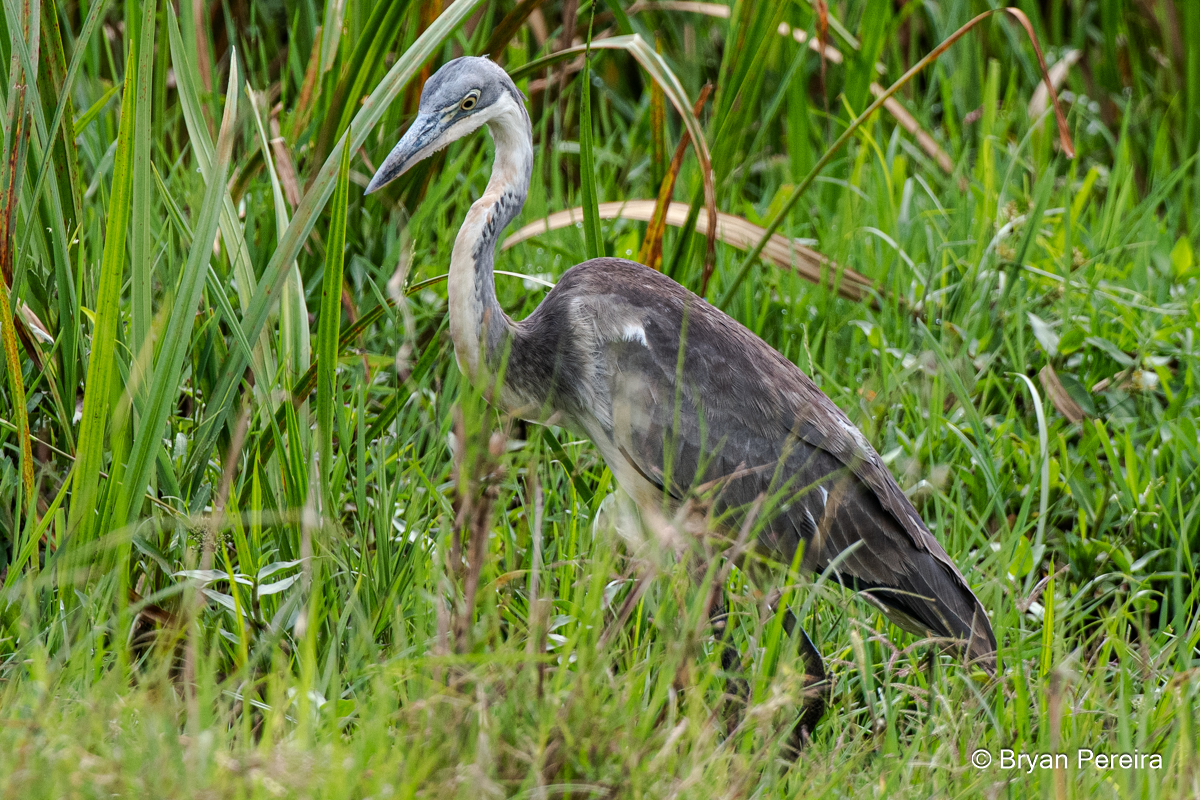 Heron (Black-headed) The Black-headed Heron (Ardea melanocephala) is a widespread wading bird of sub-Saharan Africa. It is commonly found in wetlands, grasslands, and agricultural fields. Adults typically measure 76–98 cm (30–39 in) in length. They also have a wingspan of 135–155 cm, making them large but(…) Read More
 Hippopotamus The common hippopotamus (Hippopotamus amphibius) is one of Africa’s most iconic and formidable mammals, equally at home in water and on land. Found throughout sub-Saharan Africa, hippos inhabit rivers, lakes, and wetlands where they spend much of the day submerged to keep cool, emerging at(…) Read More
 Impala The Impala (Aepyceros melampus) is one of Africa’s most iconic and abundant antelope species, commonly found across savannahs, woodlands, and grassy plains of East and Southern Africa. Adults stand approximately 75–95 cm at the shoulder and typically weigh between 40–75 kg, with males being(…) Read More
 Jacana (African) The African Jacana (Actophilornis africanus) is a distinctive and elegant waterbird found across freshwater wetlands, lakes, and slow-moving rivers throughout sub-Saharan Africa. It is instantly recognizable by its chestnut-brown body, white face, and elongated toes. These unusually long(…) Read More
 Dik-Dik (Kirk’s) Kirk’s dik-dik (Madoqua kirkii) is one of Africa’s smallest and most charming antelopes. In particular, it is commonly found in dry savannahs, bushland, and thorn scrub across East Africa. Despite its small size, it stands just 35–45 centimeters (14–18 inches) at the shoulder and weighs(…) Read More
 Klipspringer The klipspringer (Oreotragus oreotragus) is a small, agile antelope. It is uniquely adapted to life among rocky outcrops and steep escarpments across eastern and southern Africa. Despite its size, it stands about 43–60 centimeters (17–24 inches) at the shoulder. In addition, it weighs between(…) Read More
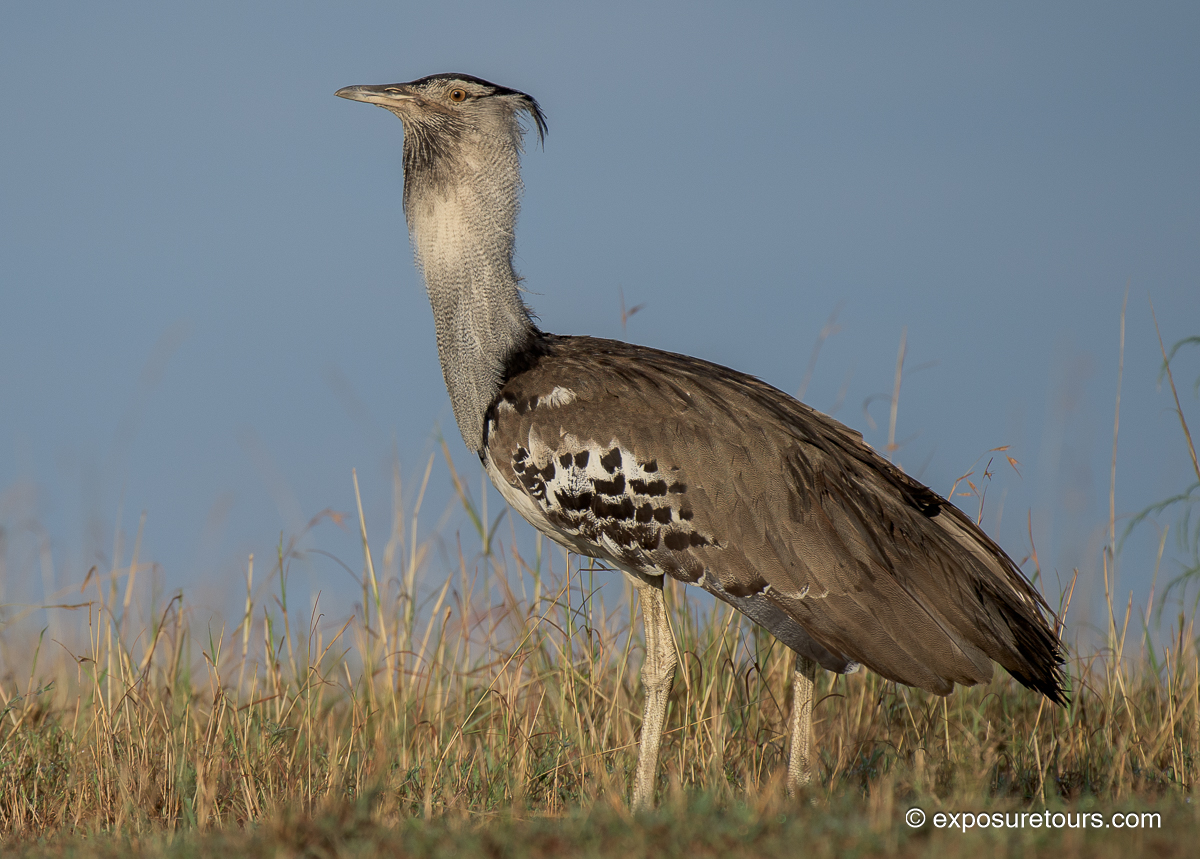 Kori Bustard The Kori Bustard (Ardeotis kori) is one of Africa’s heaviest and most impressive flying birds. Naturally, it is native to the savannas and open grasslands of eastern and southern Africa, and it is instantly recognizable by its large size, mottled brown and white plumage, and striking head(…) Read More
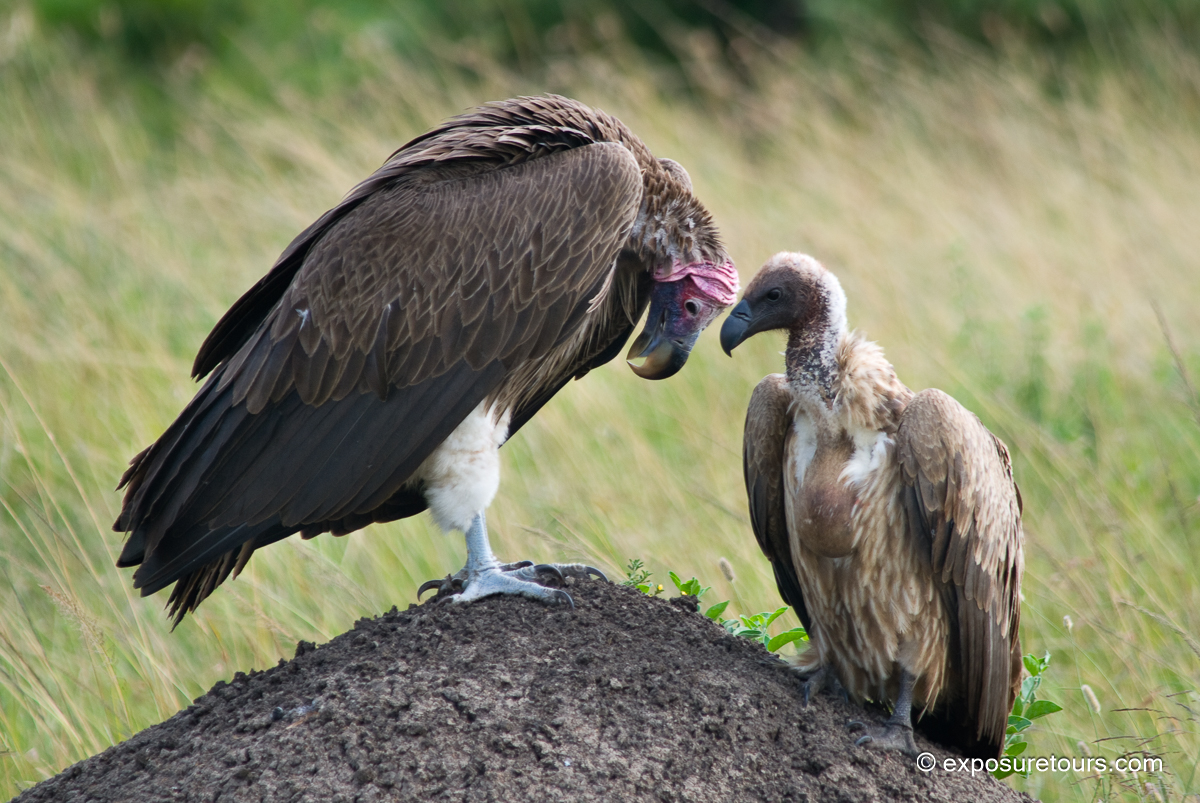 Vulture (Lappet-faced) The Lappet-faced Vulture (Torgos tracheliotos) is one of Africa’s largest and most powerful birds of prey. It inhabits arid savannas, deserts, and open plains across much of sub-Saharan Africa. This species is easily identified by its massive hooked bill and the distinctive folds of bare(…) Read More
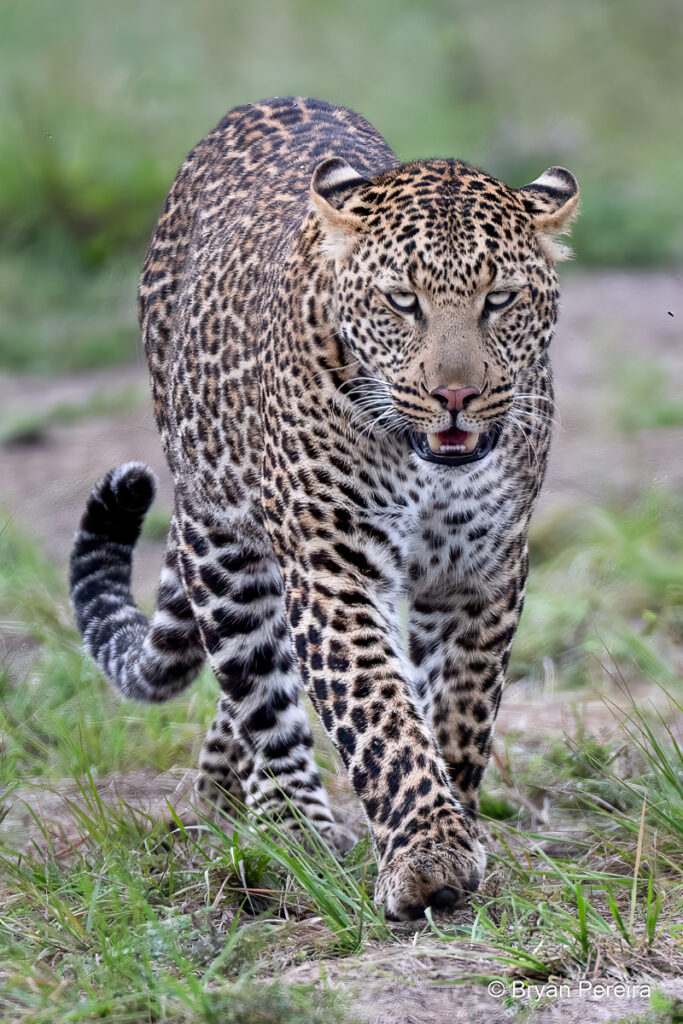
 Leopard The leopard (Panthera pardus) is one of Africa’s most adaptable and elusive big cats. It is renowned for its strength, stealth, and striking rosette-patterned coat. Adults typically measure 1.9–2.4 m (6.2–7.9 ft) in total length, including the tail. Shoulder height averages about 60–70 cm(…) Read More
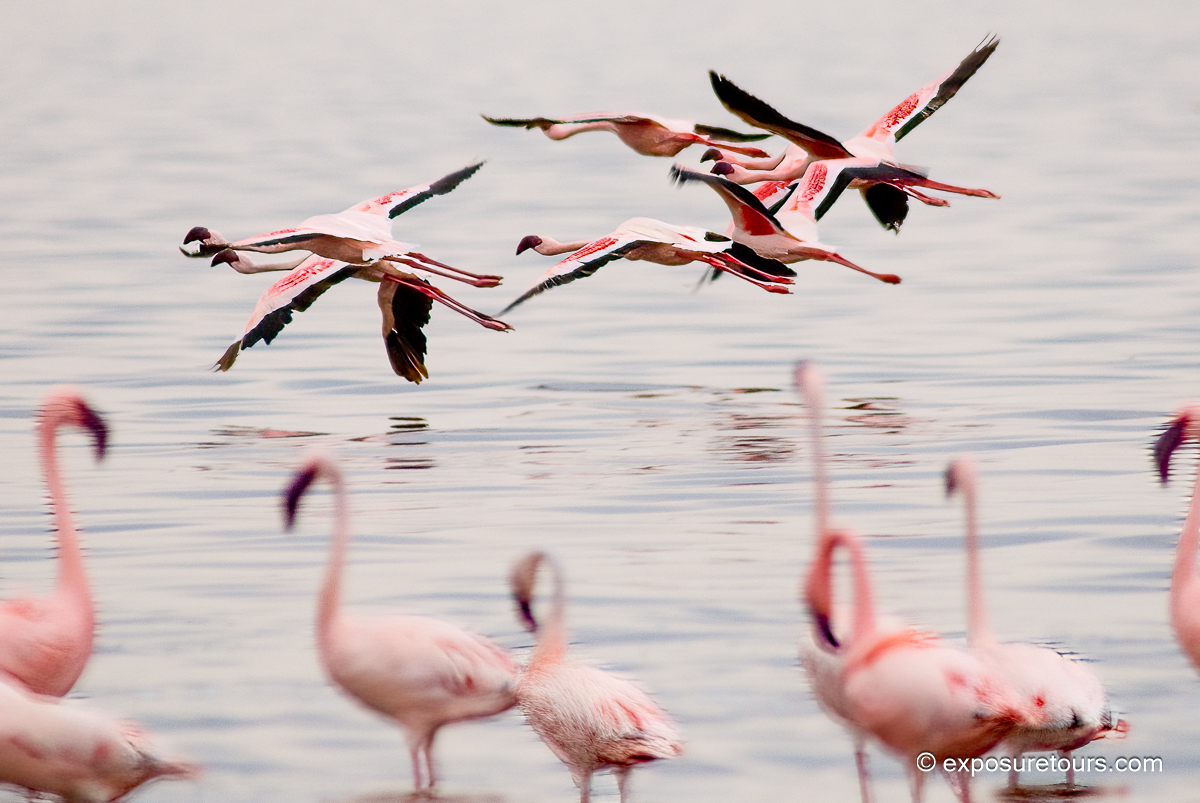 Flamingo (Lesser) The Lesser Flamingo (Phoeniconaias minor) is an iconic and highly social waterbird. Commonly found across alkaline and soda lakes of eastern and southern Africa. In fact, it is the smallest of the flamingo species and is instantly recognizable by its deep pink plumage and long legs. In(…) Read More
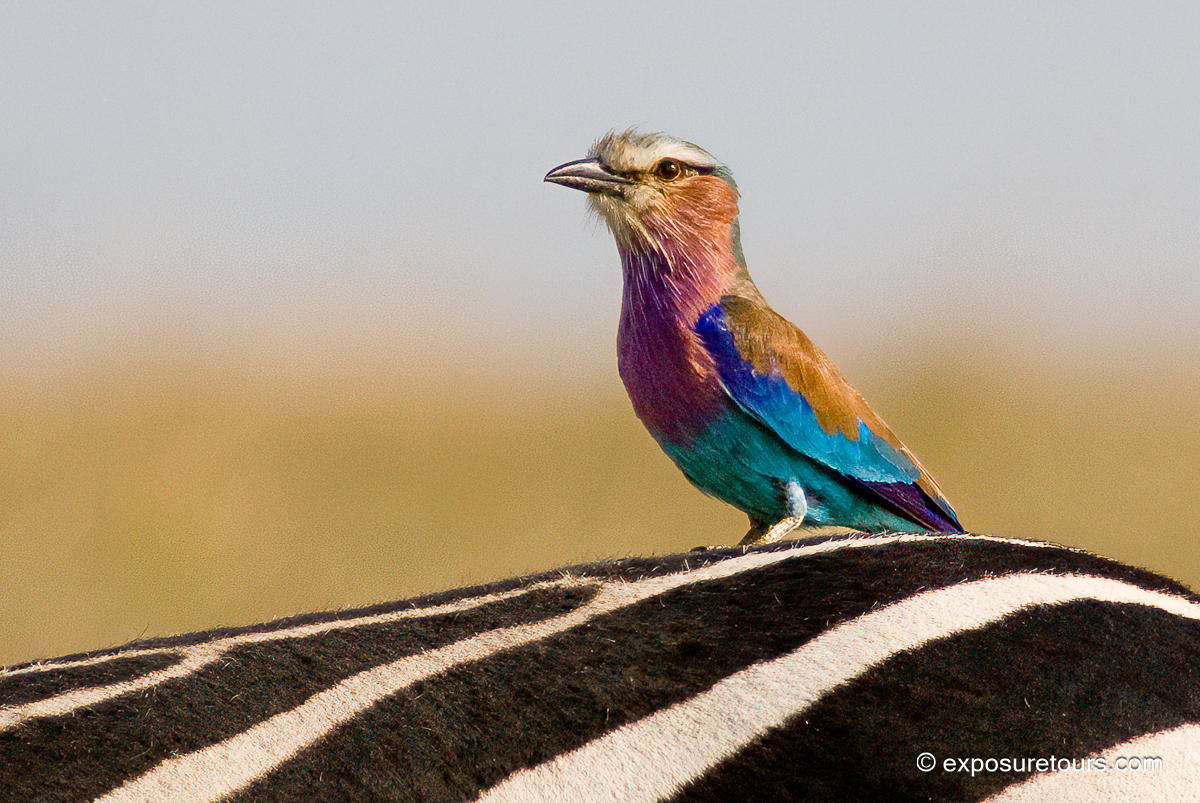 Lilac-breasted Roller The Lilac-breasted Roller (Coracias caudatus) is one of Africa’s most colorful and instantly recognizable birds. It is commonly found in open savannas, woodlands, and lightly forested regions across eastern and southern Africa. Its vivid plumage includes shades of lilac, turquoise, blue, and(…) Read More
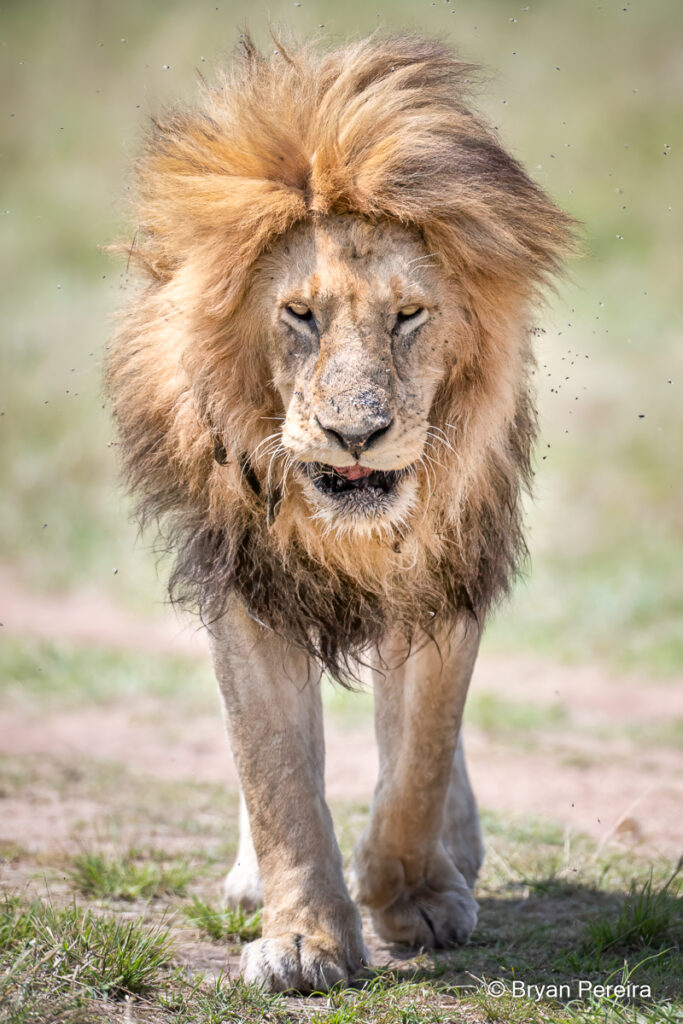
 Lion The lion (Panthera leo) is Africa’s most iconic big cat. It is also the only truly social member of the cat family. Adult males typically measure 2.7–3.3 m (8.9–10.8 ft) in total length, including the tail. Females are slightly smaller in size. Shoulder height averages about 1.1–1.2 m(…) Read More
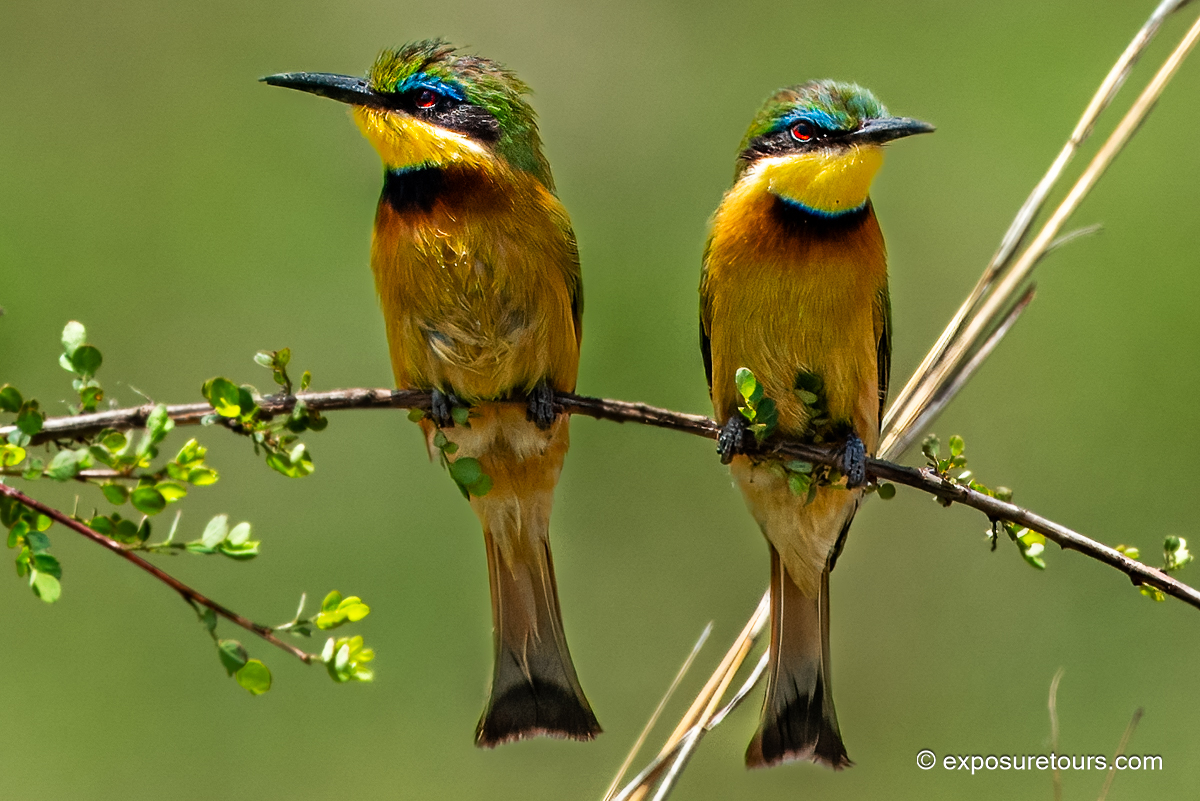 Little Bee-Eaters The Little Bee-Eater (Merops pusillus) is a small, brightly colored bird found across sub-Saharan Africa. It prefers savannas, open woodlands, and riverine habitats. Adults typically measure 15–17 cm (6–6.7 in) in length and weigh around 12–17 grams. They are renowned for their vivid green(…) Read More
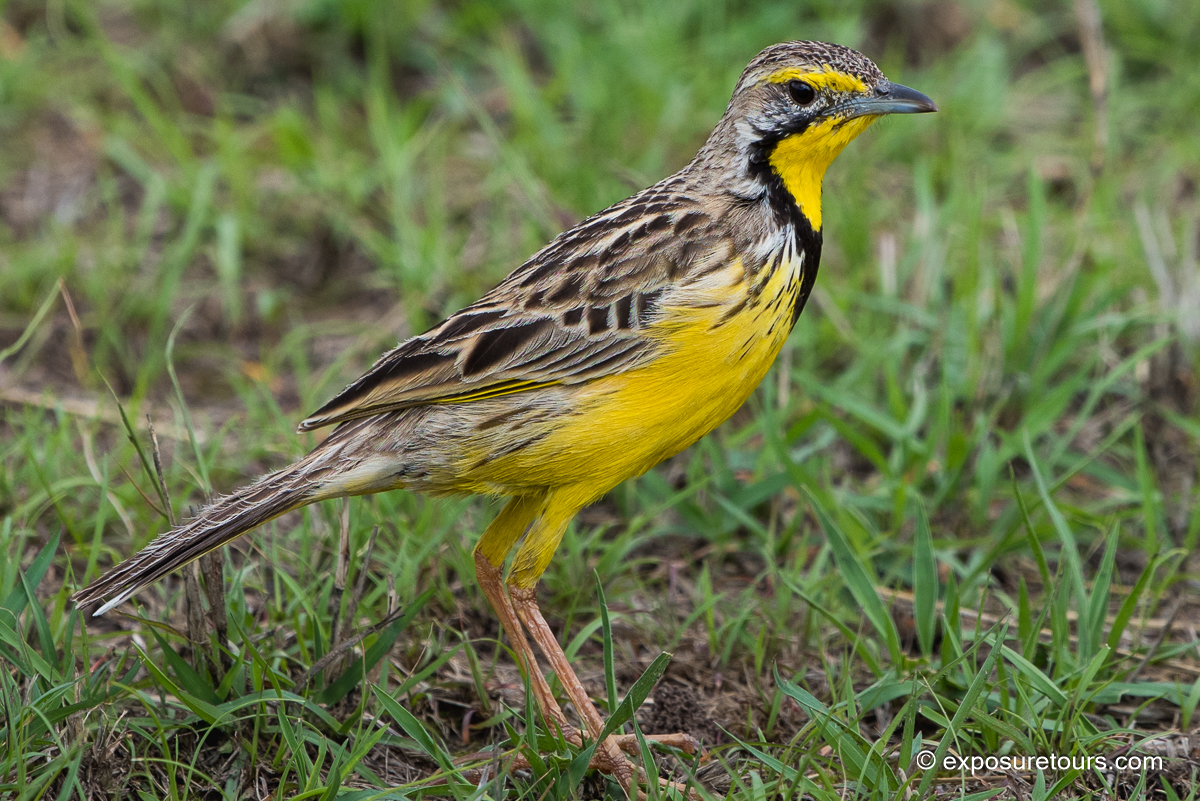 Longclaw (Yellow-throated) The Yellow-throated Longclaw (Macronyx croceus) is a striking grassland bird of East and southern Africa. It is most commonly found in open savannas, floodplains, and damp grasslands. Adults typically measure 19–21 cm (7.5–8.3 in) in length. They weigh approximately 35–45 grams. The(…) Read More
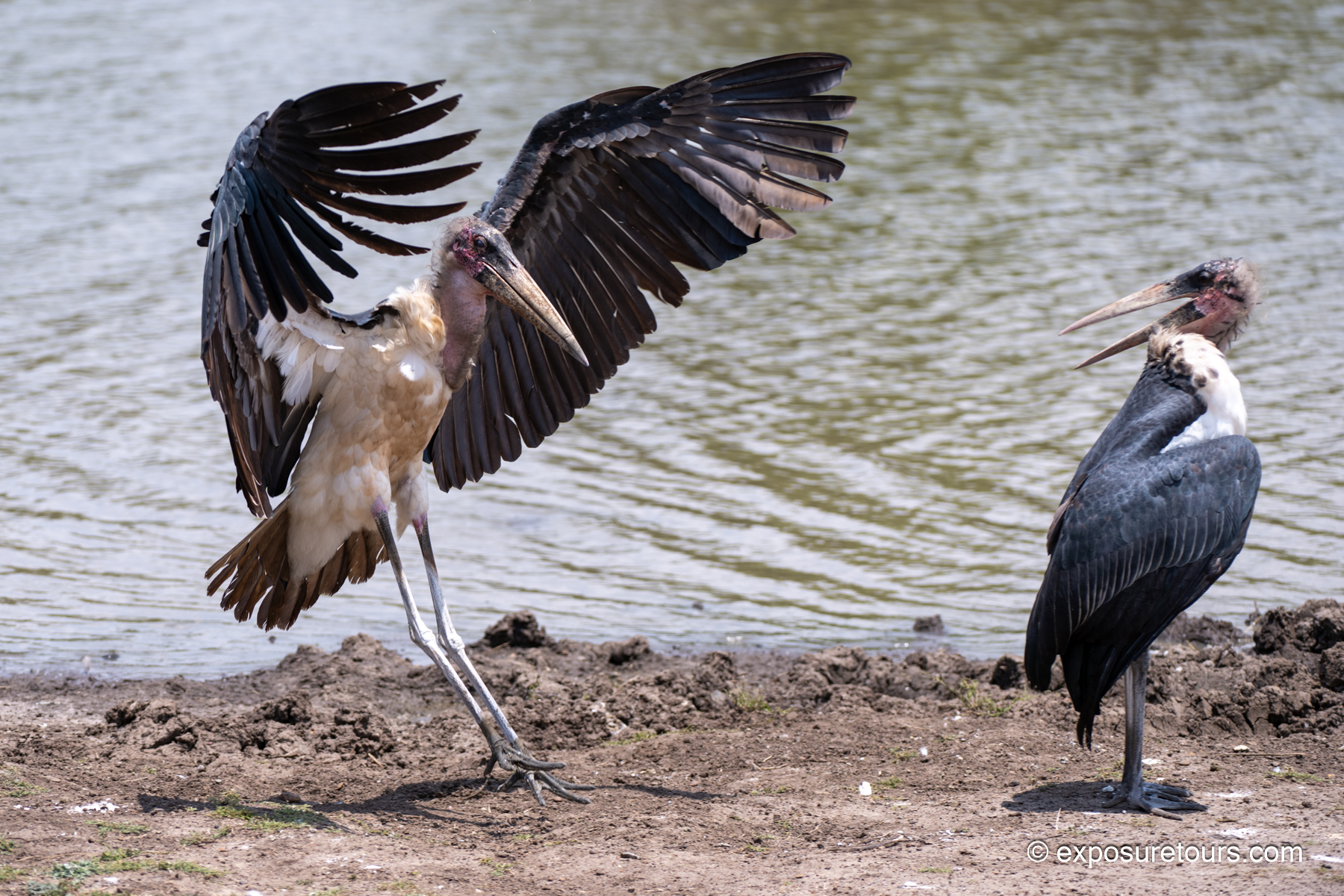 Marabou Stork The Marabou Stork (Leptoptilos crumenifer) stands out as one of Africa’s most distinctive and often misunderstood birds. People commonly refer to it as the “undertaker bird” because of its hunched posture, bare head, and dark wings. Nevertheless, despite its ungainly appearance, the species(…) Read More
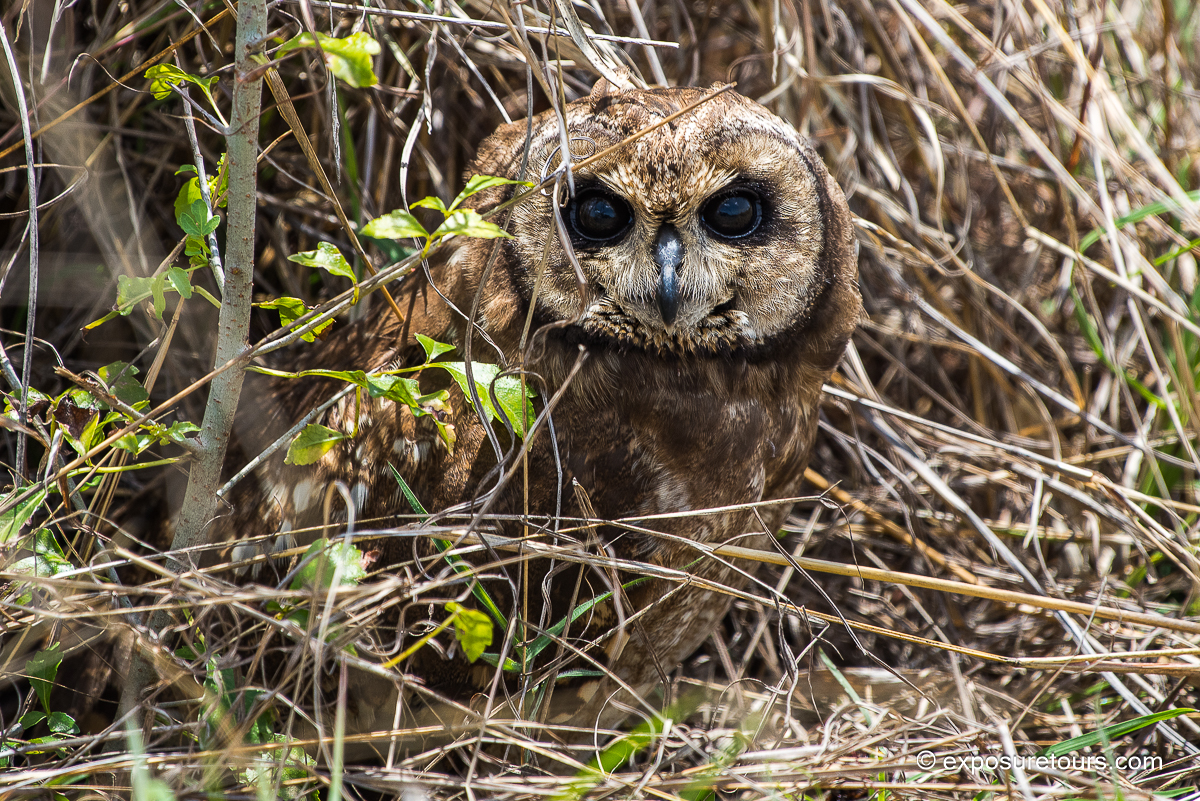 Marsh Owl The Marsh Owl (Asio capensis), also known as the African Marsh Owl, is a medium-sized owl closely associated with open grasslands, wetlands, and marshy habitats across sub-Saharan Africa. Adults typically measure 30–35 cm (12–14 in) in length. They also have a wingspan of about 85–95 cm. In(…) Read More
 Martial Eagle The Martial Eagle (Polemaetus bellicosus) is Africa’s largest and most powerful eagle. It dominates open savannas, semi-arid plains, and lightly wooded landscapes across sub-Saharan Africa. Adults typically measure 78–96 cm (31–38 in) in length. They also have an impressive wingspan of(…) Read More
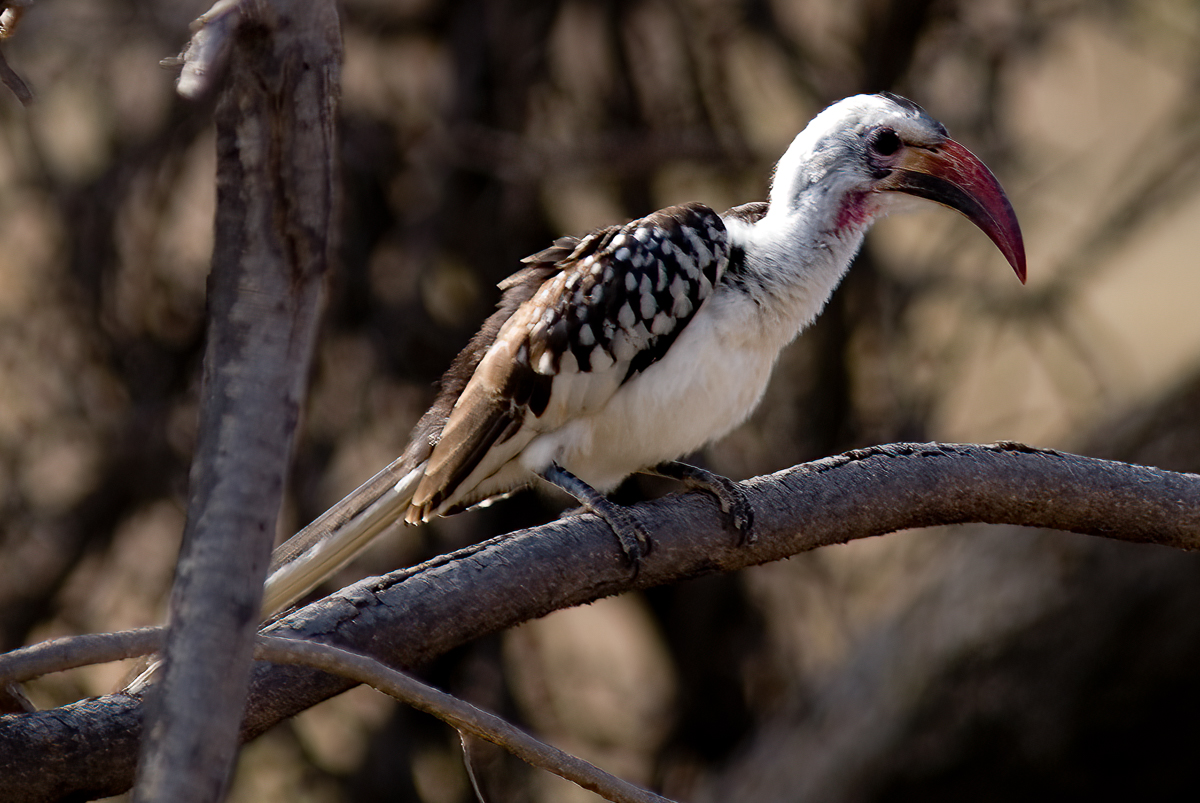 Northern Red-billed Hornbill The Northern Red-billed Hornbill (Tockus erythrorhynchus) is a charismatic and familiar bird of dry savannas, woodlands, and open bush country across East Africa. It is easily recognized by its long red bill and white underparts. In addition, its bold black-and-white patterning makes it(…) Read More
 Ostrich The ostrich (Struthio camelus) is the world’s largest and heaviest living bird, native to the open savannahs, grasslands, and semi-desert regions of Africa. Despite being flightless, it is exceptionally well adapted to life on the plains, with long, powerful legs built for speed and(…) Read More
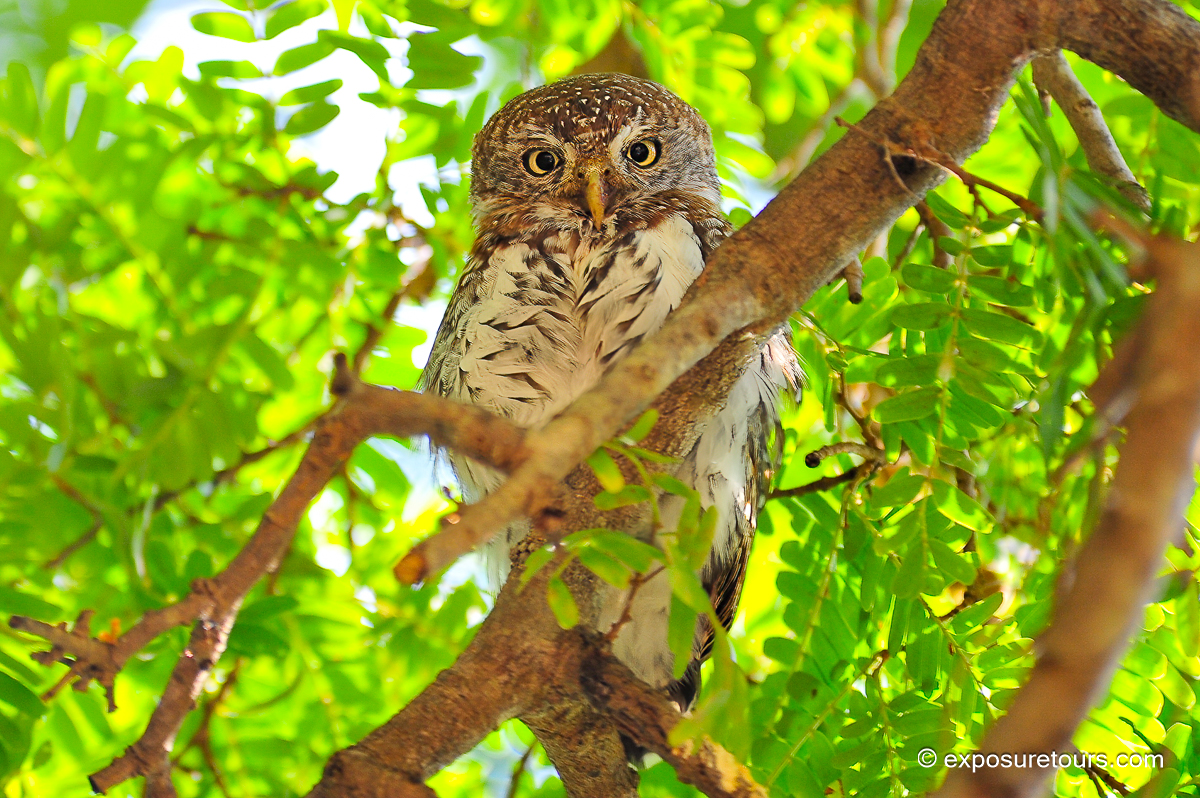 Pearl-spotted Owlet The Pearl-spotted Owlet (Glaucidium perlatum) is a small, striking owl found across sub-Saharan Africa. It is particularly common in savannas, open woodlands, and acacia-dotted landscapes. As a result, it is often a familiar sight for safari-goers. The species is instantly recognizable by(…) Read More
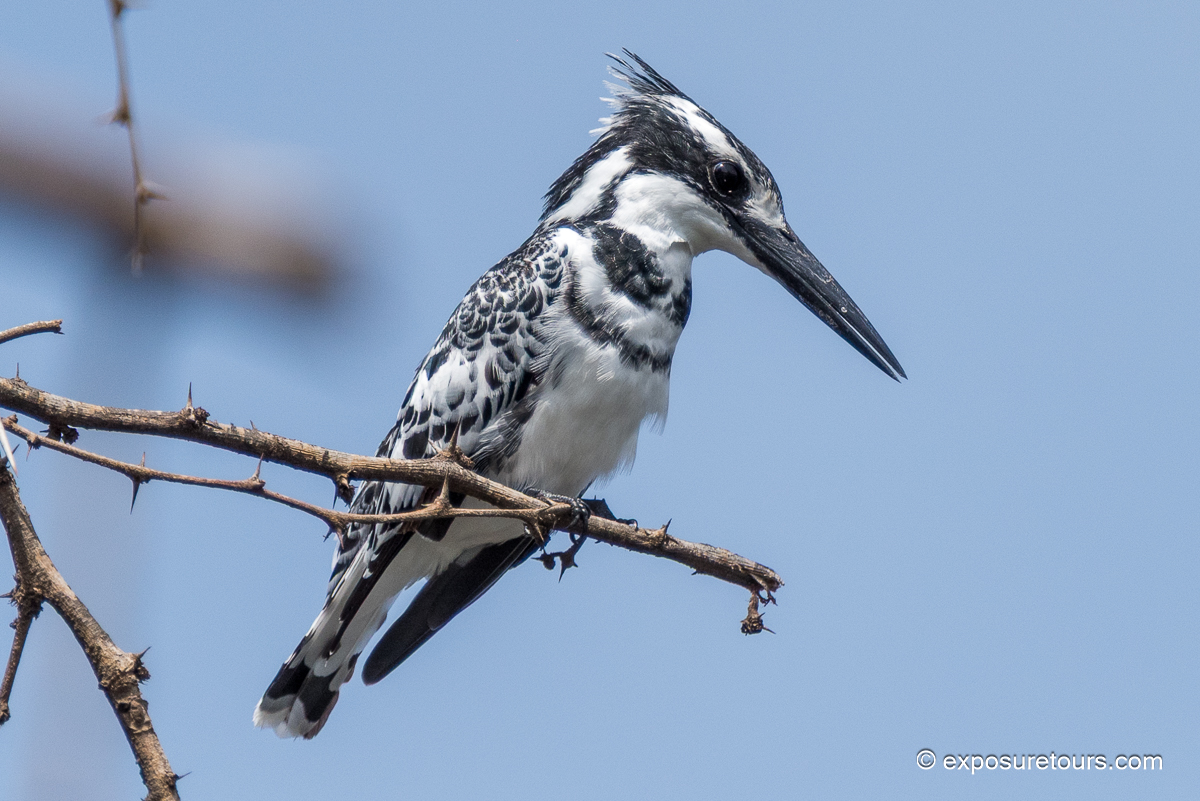 Pied Kingfisher The Pied Kingfisher (Ceryle rudis) is a striking black-and-white waterbird commonly found along rivers, lakes, wetlands, and coastal lagoons across much of sub-Saharan Africa. As a result, it is one of the most familiar kingfishers encountered on safari. It is instantly recognizable by(…) Read More
 Zebra (Plains) The Plains Zebra (Equus quagga), also known as the Common Zebra, is one of Africa’s most recognizable mammals. It is instantly identified by its bold black-and-white stripes. Adults typically stand about 120–140 cm at the shoulder. They weigh between 175–385 kg. Males and females are similar(…) Read More
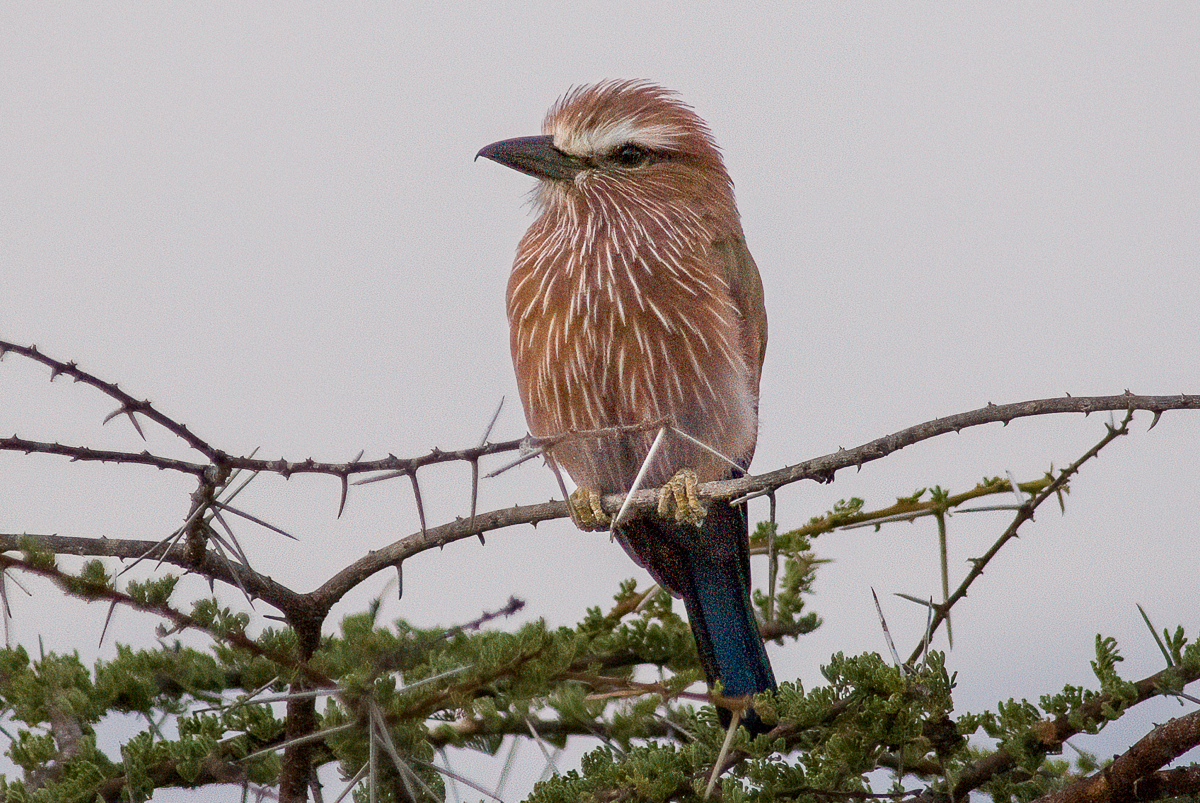 Purple Roller The Purple Roller (Coracias naevius) is a striking and colorful bird of open savannas, woodlands, and lightly forested areas across sub-Saharan Africa. It is known for its vivid purple and blue plumage, contrasting with a sturdy build and strong bill. Adults typically measure 34–36 cm(…) Read More
 Reed Cormorant The Reed Cormorant (Microcarbo africanus), also known as the Long-tailed Cormorant, is a slim and agile waterbird widely distributed across freshwater lakes, rivers, wetlands, and reservoirs throughout sub-Saharan Africa. As a result, it is a common sight along many African waterways. It is(…) Read More
 Rhinoceros (Northern White) The northern white rhinoceros (Ceratotherium simum cottoni) is a rare and iconic subspecies of the white rhino. It is also one of the most endangered mammals on Earth. Historically, it inhabited the grasslands and savannahs of Central and East Africa. In terms of size and overall structure,(…) Read More
- Rhinoceros White and Black Comparisons Rhinoceros White and Black Comparisons: Although often confused, the Black Rhino (Diceros bicornis) and the White Rhino (Ceratotherium simum) show several clear visual differences. The most noticeable distinction is the shape of the mouth: Black Rhinos have a pointed, prehensile upper lip(…) Read More
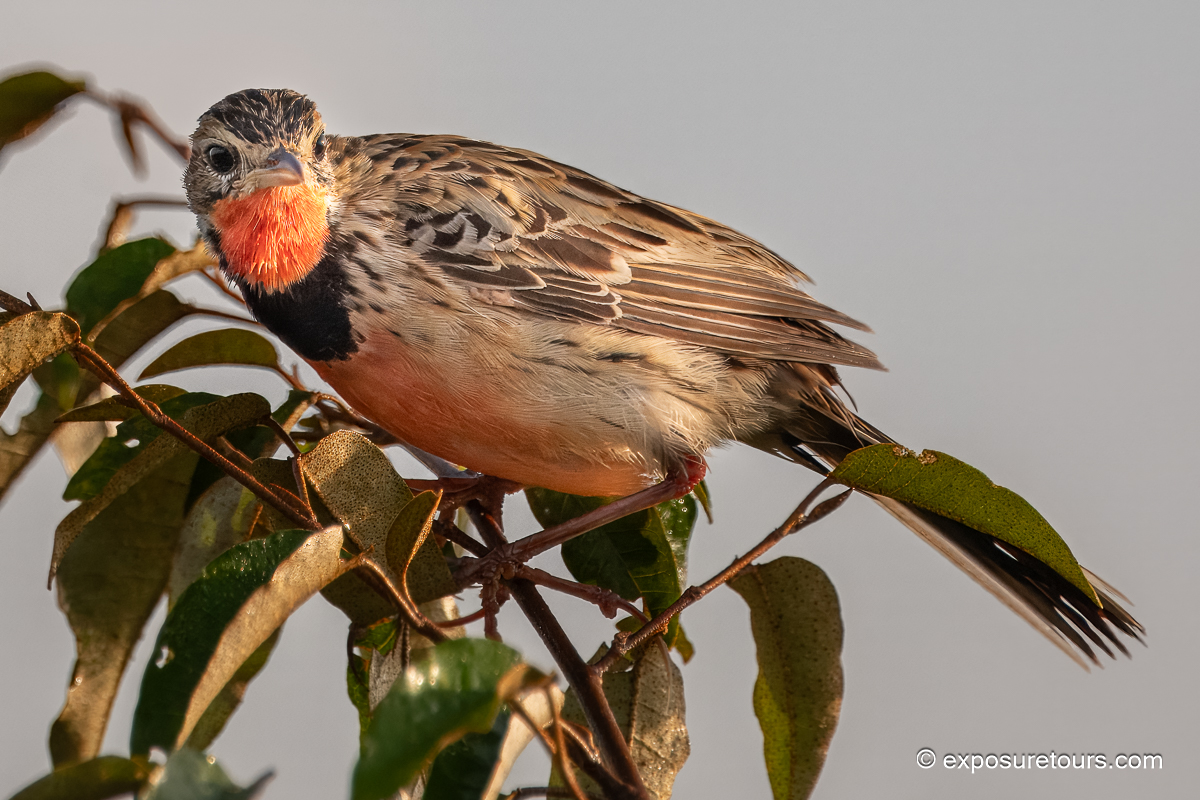 Longclaw (Rosy-throated) The Rosy-throated Longclaw (Macronyx ameliae) is a striking grassland bird found primarily in moist savannas and highland grasslands of East Africa. Also know as the Rosy-breasted Longclaw. It is best known for its vivid pink throat and upper breast. These features contrast strongly with the(…) Read More
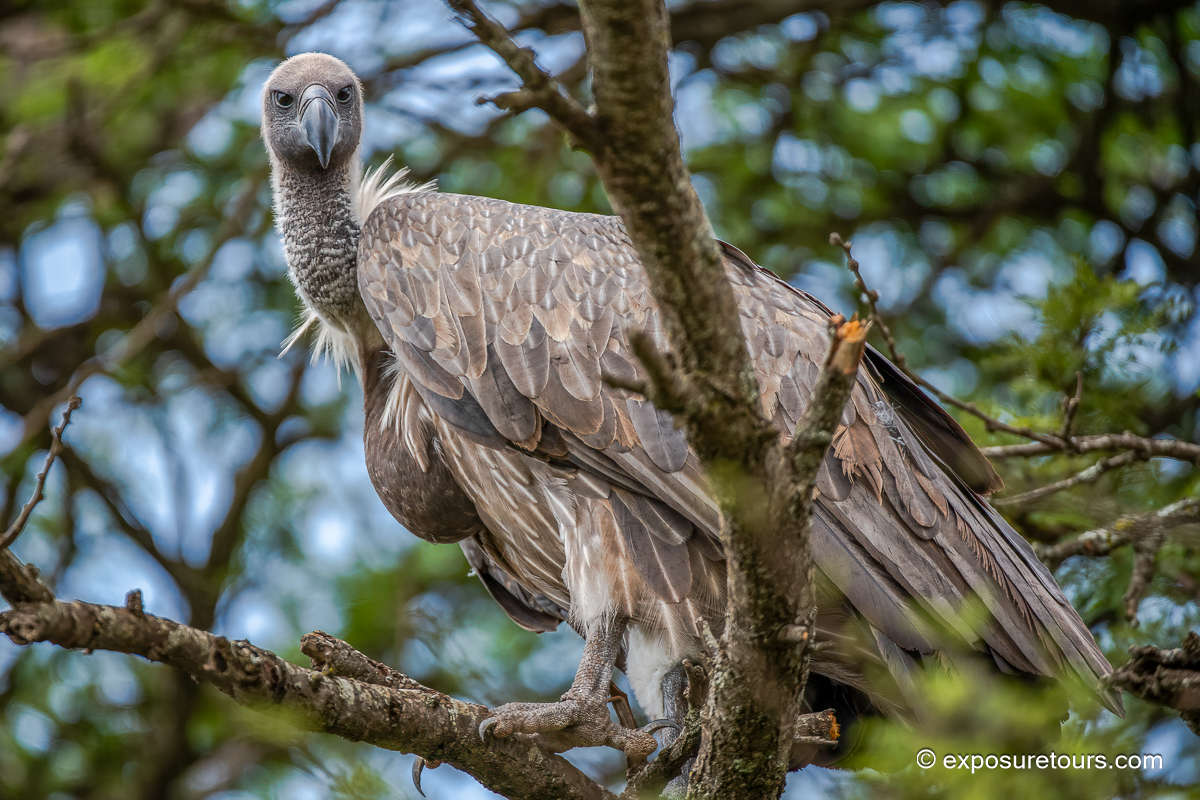 Vulture (Rüppell’s) The Rüppell’s Vulture (Gyps rueppelli) is one of Africa’s most remarkable scavenging birds. It is famed for flying at higher altitudes than any other bird species. Furthermore, it is widely distributed across the savannas and semi-arid regions of East and Central Africa. The species is(…) Read More
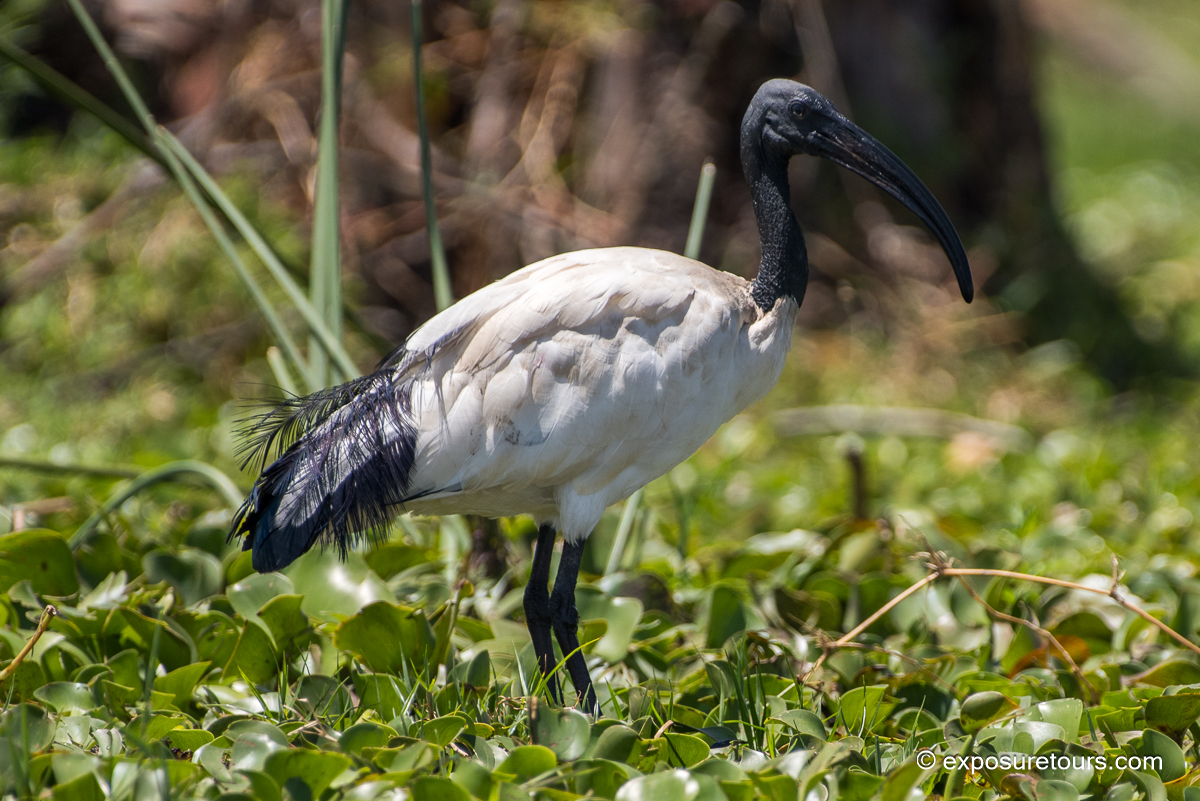 Sacred Ibis (African) The African sacred ibis (Threskiornis aethiopicus) is a large and distinctive waterbird. It is widely distributed across sub-Saharan Africa, as well as parts of Madagascar and the Middle East. In particular, it is closely associated with wetlands, floodplains, lakeshores, marshes, and(…) Read More
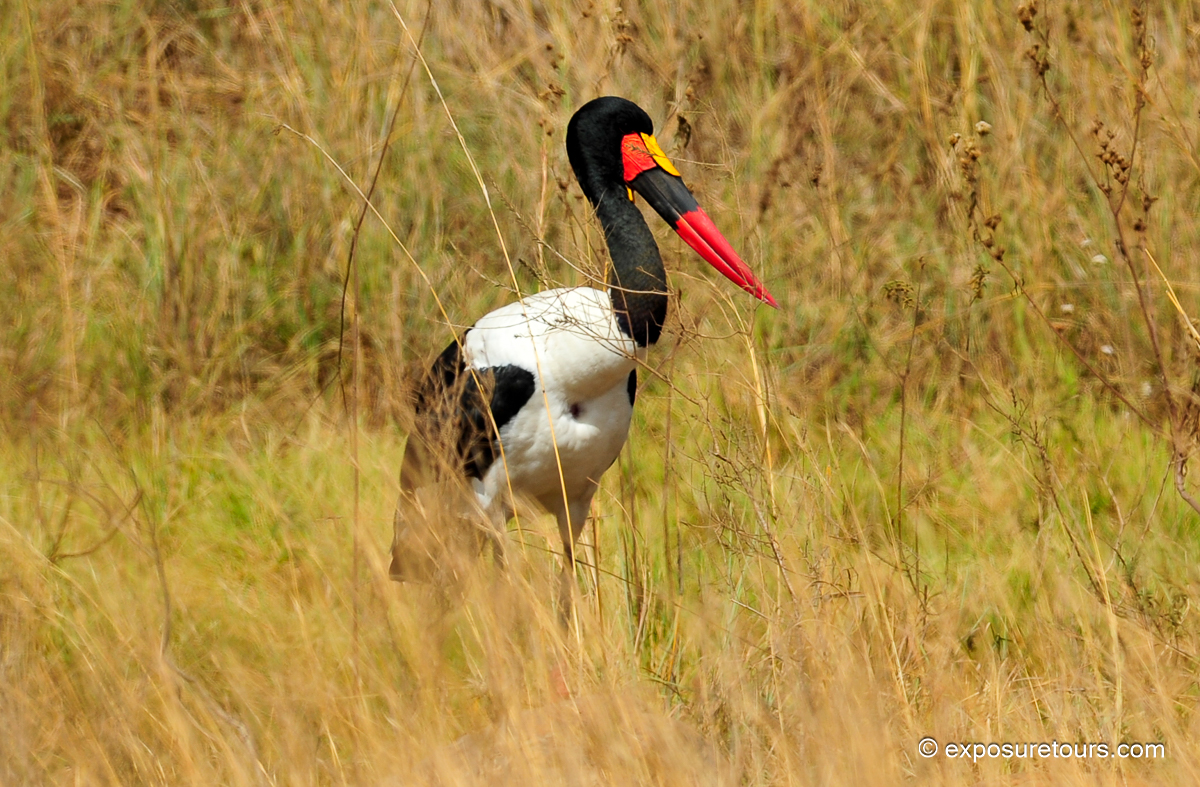 Saddle-billed Stork The Saddle-billed Stork (Ephippiorhynchus senegalensis) is one of Africa’s most striking and elegant wetland birds. It is easily recognized by its towering height and vividly colored bill. Naturally, the species is found along rivers, lakes, marshes, and floodplains across sub-Saharan(…) Read More
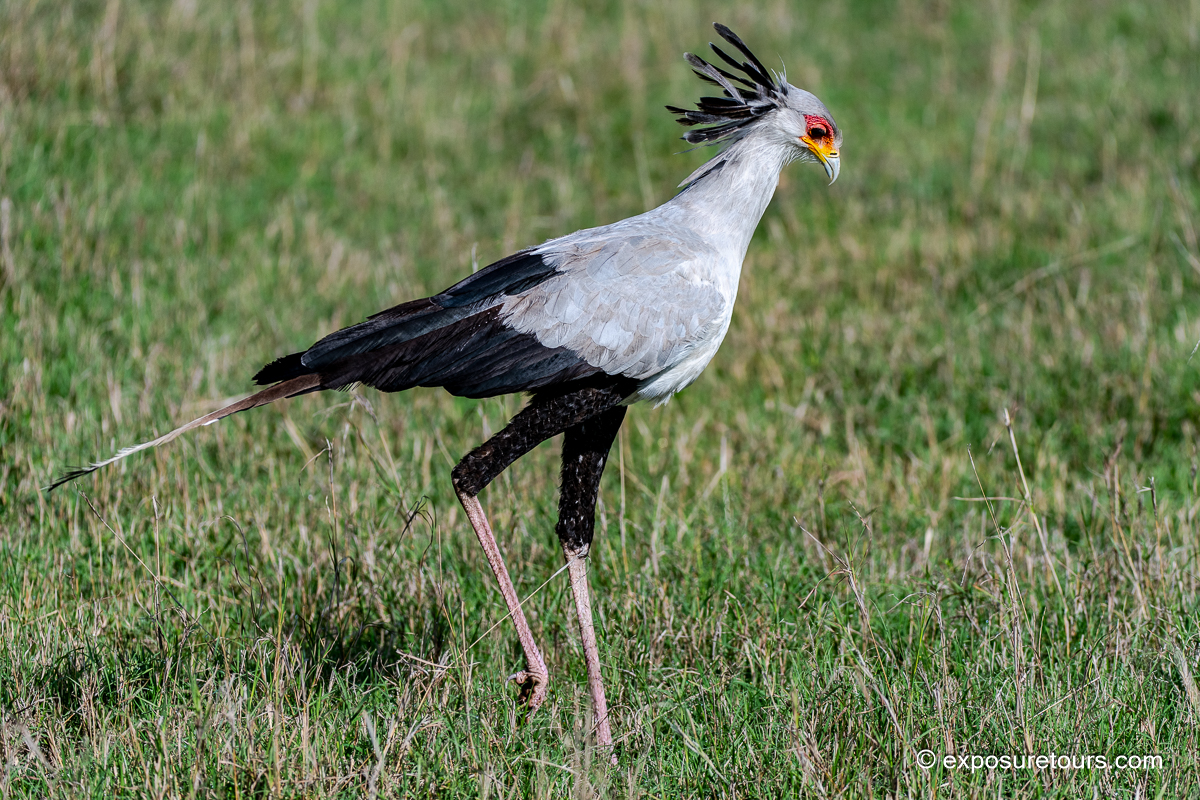 Secretarybird The Secretarybird (Sagittarius serpentarius) is a striking and unmistakable raptor of Africa’s open grasslands and savannas. It is easily recognized by its long legs, upright stance, and distinctive crest of black feathers. This species is uniquely adapted for hunting on foot rather than from(…) Read More
 Serval The Serval (Leptailurus serval) is a slender and striking medium-sized wild cat. Notably, it is best known for its long legs, large ears, and beautifully spotted coat. In terms of size, adults stand about 54–62 cm at the shoulder. Furthermore, they measure 65–100 cm in body length, with(…) Read More
 Speckled Mousebird The Speckled Mousebird (Colius striatus) is a distinctive and social bird found throughout sub-Saharan Africa. It is the largest species of mousebird, recognizable by its long, slender tail, soft gray-brown plumage speckled with white, and a small crest on its head. This bird is often seen(…) Read More
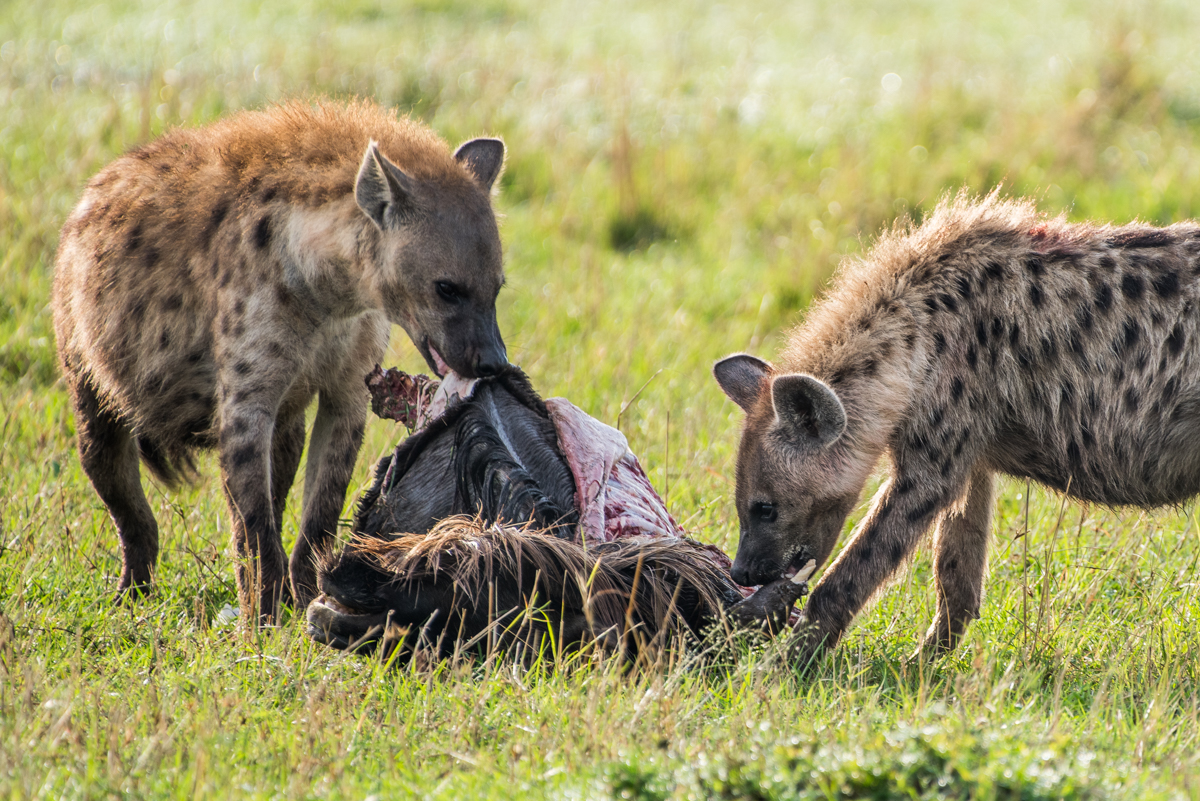 Hyena (Spotted) Adults typically stand about 75–90 cm at the shoulder. They can measure up to 1.6 m in body length. Spotted Hyenas are robust animals and weigh between 45–85 kg. Females are generally larger and more dominant than males. They have extremely strong jaws capable of crushing bone. This allows(…) Read More
 Streaky Seedeater The streaky seedeater (Crithagra striolata) is a small, subtly patterned finch found across eastern and southern Africa. It inhabits a wide range of environments, including forest edges, open woodland, gardens, and cultivated areas. As a result of its streaked brown and gray plumage, it(…) Read More
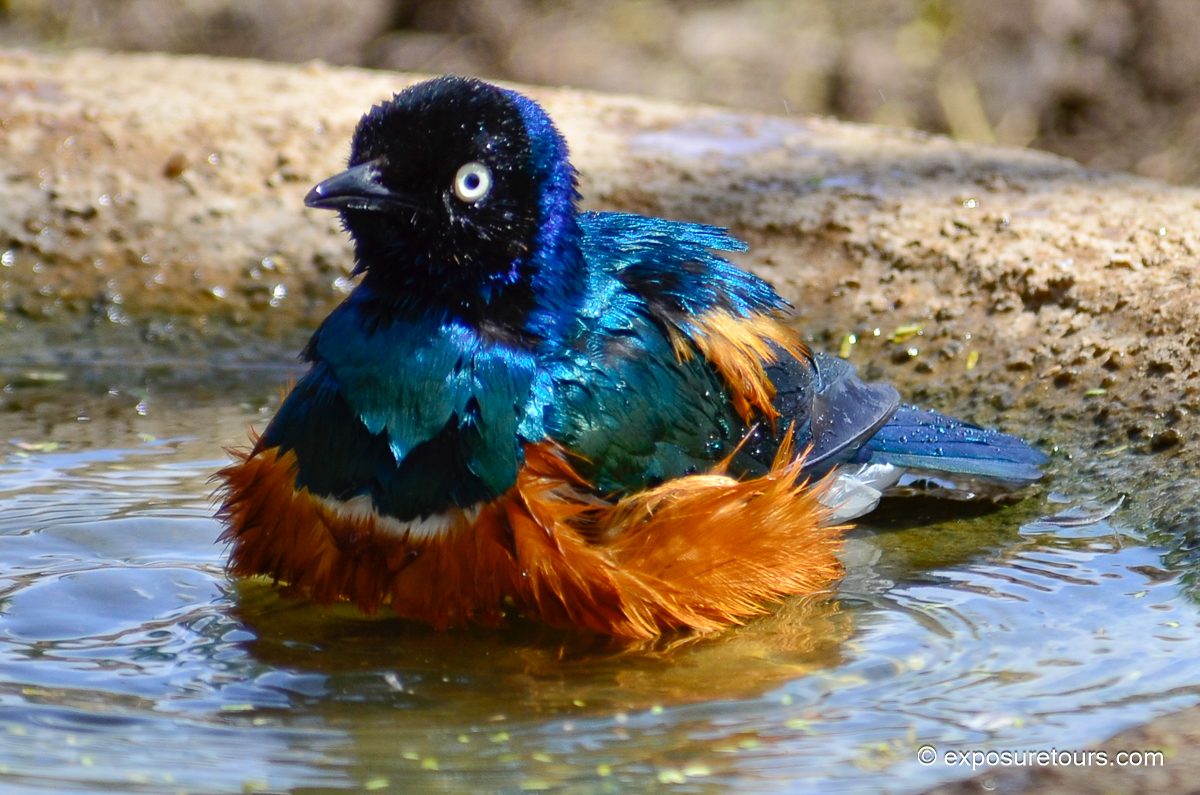 Superb Starling The Superb Starling (Lamprotornis superbus) is one of East Africa’s most colorful and eye-catching birds. It is commonly found in open savannas, acacia woodland, and around lodges and settlements. As a result, it is often one of the most frequently seen species on safari. The bird is(…) Read More
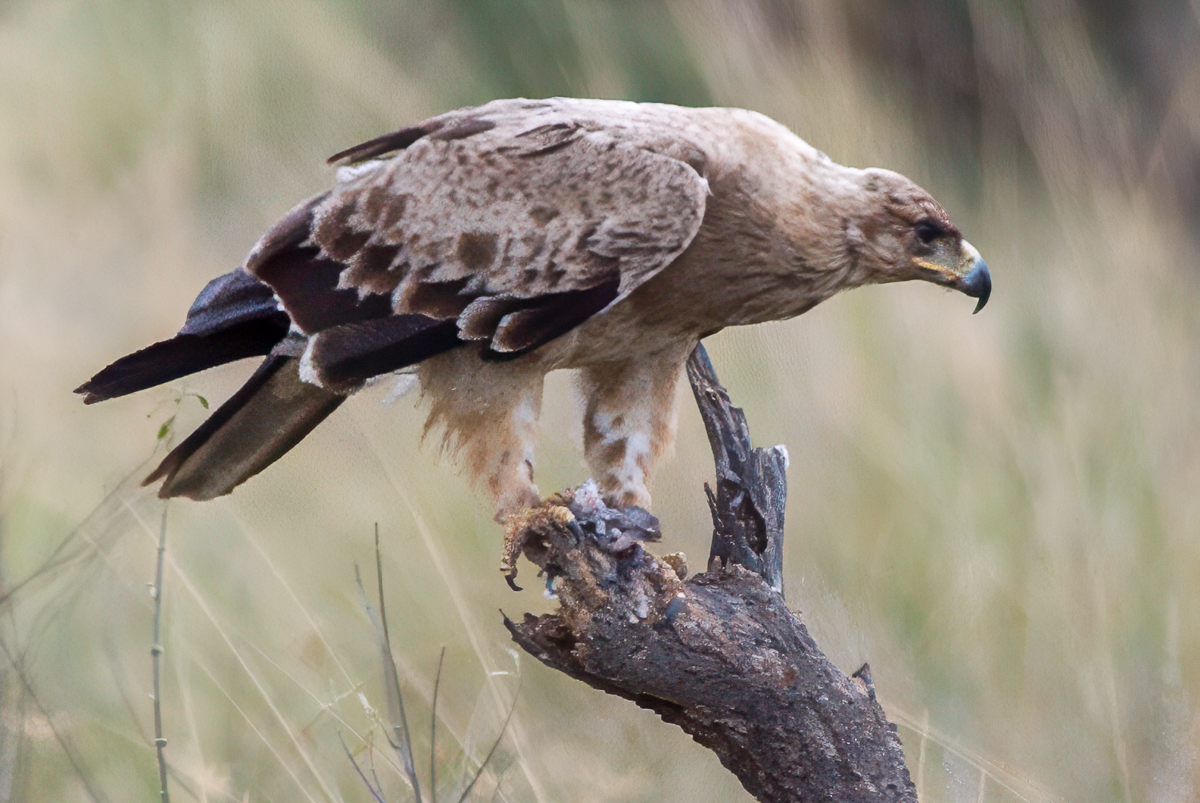 Tawny Eagle The Tawny Eagle (Aquila rapax) is a powerful and adaptable bird of prey found across savannas, open woodlands, and semi-arid regions of Africa. It is a large eagle with variable plumage ranging from pale sandy brown to dark chocolate tones, often with a slightly paler head and nape.(…) Read More
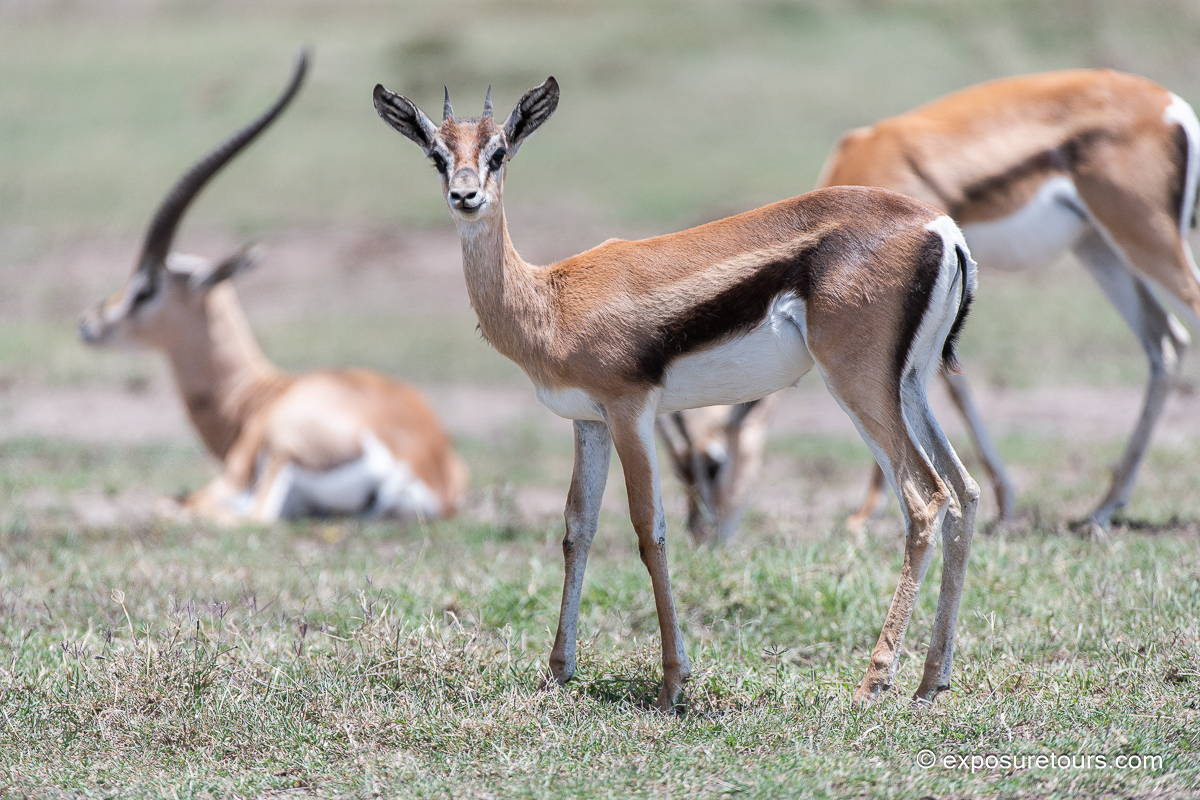 Thompson’s Gazelle Thompson’s Gazelle (Eudorcas thomsonii) is one of the most iconic antelopes of the African savannah. Admired for its grace, speed, and striking markings, it captures the attention of photographers and wildlife enthusiasts alike. Adult males typically stand about 60–80 cm at the shoulder and(…) Read More
 Topi The topi (Damaliscus lunatus) is a striking and fast antelope of Africa’s open grasslands and floodplains. It is easily recognized by its rich reddish-brown coat. In addition, darker patches are visible on the upper legs and face. Overall, the species has a sleek, athletic build. Adults(…) Read More
 Warthog The common warthog (Phacochoerus africanus) is one of Africa’s most recognizable and charismatic mammals, easily identified by its large facial “warts,” curved tusks, and upright tail when running. Widely distributed across savannas, grasslands, and open woodland, warthogs are highly(…) Read More
 Waterbuck The Waterbuck (Kobus ellipsiprymnus) is a large and robust antelope. Notably, it is closely associated with rivers, lakes, and wetlands across sub-Saharan Africa. In terms of size, adults typically stand about 120–136 cm at the shoulder. On average, they weigh between 160–300 kg, with(…) Read More
 White-bellied go-away-bird The White-bellied Go-away-bird (Corythaixoides leucogaster) is a striking and vocal bird native to the savannas, woodlands, and dry forests of eastern and southern Africa. Recognizable by its distinctive long tail, gray plumage, and prominent crest, it gets its unusual name from the harsh,(…) Read More
 Rhinoceros (White) The white rhinoceros (Ceratotherium simum) is the largest of all rhino species. As a result, it is also one of Africa’s most iconic megafauna. White rhinos primarily inhabit open savannahs and grasslands. These environments, in turn, suit their massive size and grazing lifestyle. Adults(…) Read More
 Wildebeest The wildebeest, also known as the gnu (Connochaetes taurinus), is one of Africa’s most iconic antelopes. It is a defining species of the open savannahs and grasslands of East and Southern Africa. Robust yet agile, adult wildebeest typically stand about 115–145 cm (45–57 in) at the shoulder.(…) Read More
 Yellow-billed Stork The Yellow-billed Stork (Mycteria ibis) is a striking wader, and it is commonly found in wetlands across sub-Saharan Africa. Moreover, this elegant bird is instantly recognizable by its bright yellow bill,. Additionally white plumage with a pinkish hue on the wings, and long, slender red(…) Read More