
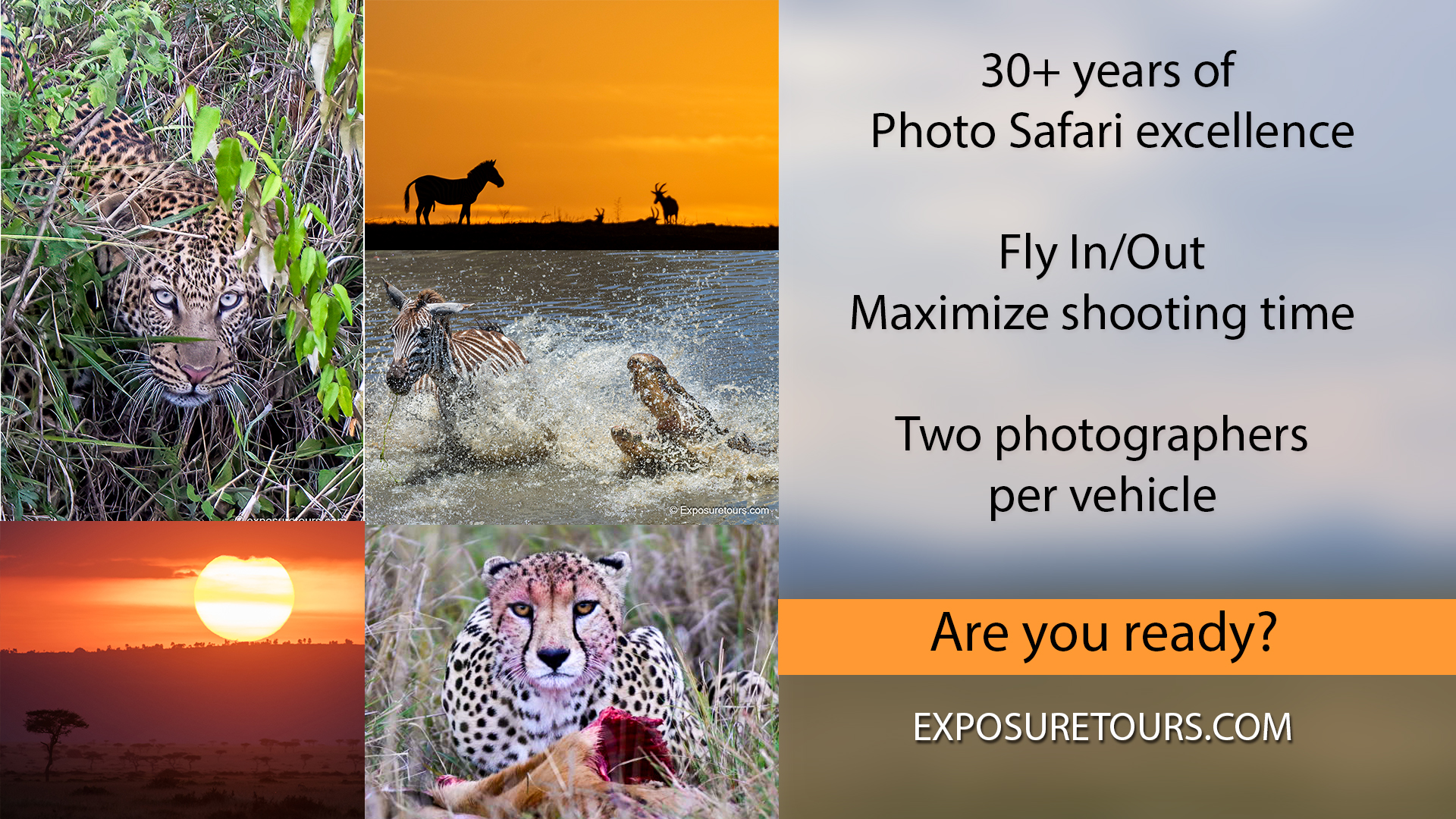
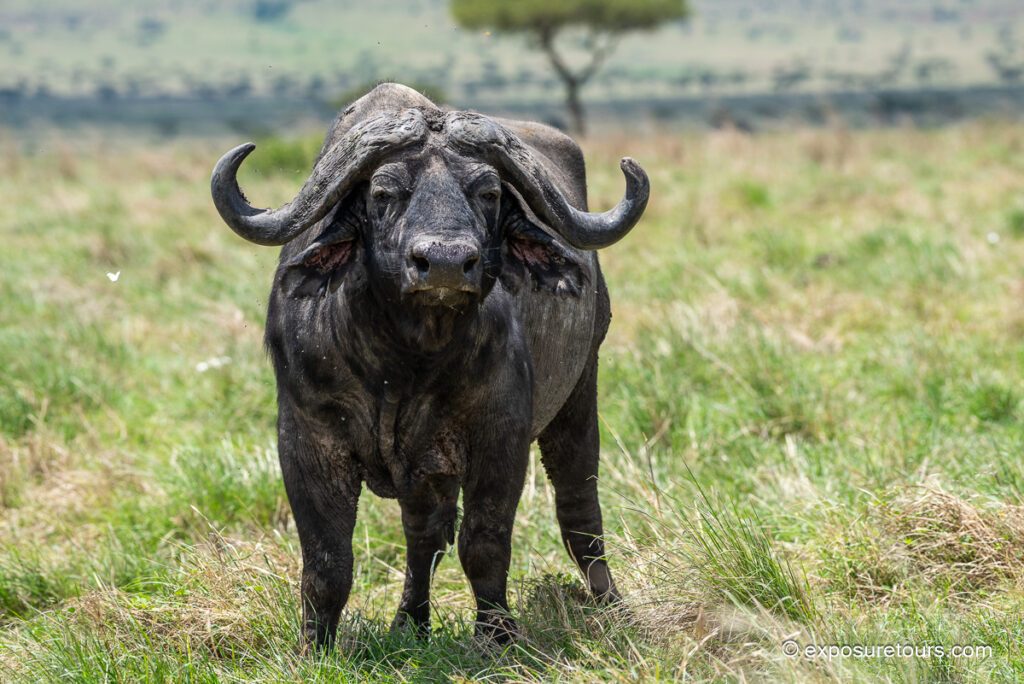
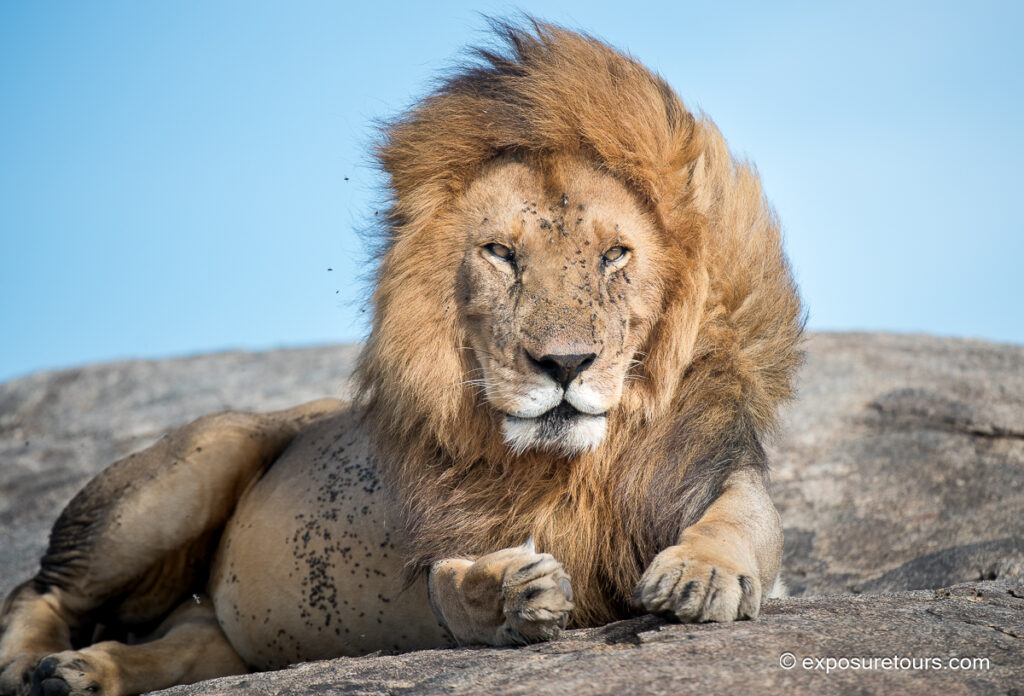
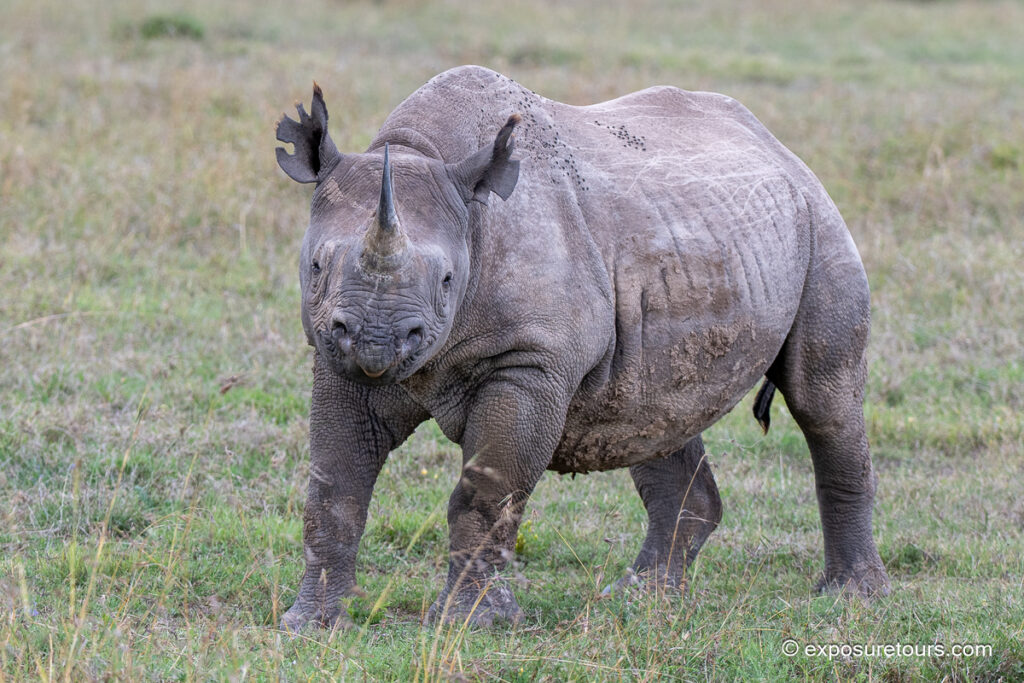
Africa’s Big Five refers to five of the continent’s most iconic and sought-after large mammals: the African Elephant (Loxodonta africana), African Lion (Panthera leo), Leopard (Panthera pardus), Cape Buffalo (Syncerus caffer), and Black or White Rhinoceros (Diceros bicornis / Ceratotherium simum). Moreover, these species vary greatly in size and form.
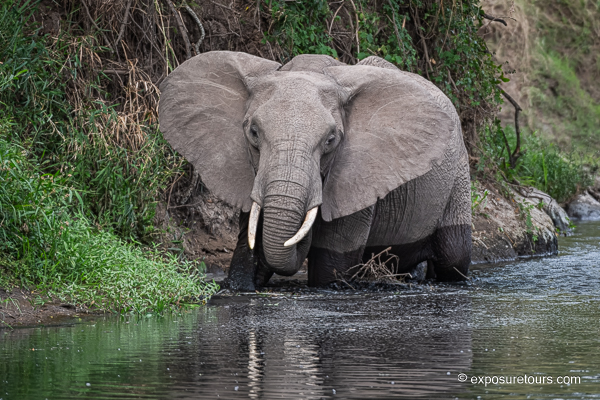
For instance, elephants are the largest land mammals, standing up to 4 m (13 ft) at the shoulder and weighing 3,000–6,000 kg. They also have a gestation period of about 22 months. In comparison, lions weigh roughly 120–250 kg, with a gestation of around 110 days. Similarly, leopards are more compact at 30–90 kg, and their young carry for about 90–105 days. Meanwhile, Cape Buffalo weigh 400–900 kg, with a gestation period of approximately 330–340 days. Rhinoceroses can weigh between 800–2,500 kg, depending on the species, and their gestation lasts 15–16 months.
Together, the Big Five represent a wide range of habitats, from open savannas and floodplains to dense bush and riverine forests. Historically, the term “Big Five” originated from the difficulty and danger of hunting these animals on foot. However, today they are celebrated as conservation icons and flagship species for African wildlife protection. In addition, their presence supports tourism and helps fund conservation initiatives. Consequently, these initiatives protect countless other species and ecosystems across the continent.
For safari-goers, encountering the Big Five is often a deeply emotional and memorable experience. Furthermore, each species offers a unique photographic and observational challenge, from tracking elusive leopards in thick cover to witnessing the sheer scale of elephants at waterholes. By observing their behavior in the wild, visitors gain valuable insight into Africa’s complex and interconnected ecosystems. As a result, these encounters often become the defining moments of a photo safari.
Photography Tips:
When photographing the Big Five, patience and light are essential. In particular, early morning and late afternoon provide the best conditions for texture, mood, and dramatic shadows. Moreover, use longer focal lengths for intimate portraits, especially with lions and leopards.
In addition, wider lenses help convey the scale of elephants and buffalo within their environment. Also, focus on behavior—interactions, movement, and expressions—to tell a story rather than simply documenting the animal. Above all, always prioritize safety and maintain ethical distances. By allowing natural behavior to unfold, you can capture powerful, authentic images of Africa’s most legendary wildlife.

Make this the year you fulfill your bucket list and photograph Africa’s iconic Big Five in the wild.