The northern white rhinoceros (Ceratotherium simum cottoni) is a rare and iconic subspecies of the white rhino. It is also one of the most endangered mammals on Earth. Historically, it inhabited the grasslands and savannahs of Central and East Africa. In terms of size and overall structure, the northern white rhino closely resembles the southern white rhino. Adults typically stood about 1.7–1.9 m (5.6–6.2 ft) at the shoulder. They weighed between 1,800–2,500 kg (4,000–5,500 lb). As with other rhino species, males were generally larger than females.
Like all white rhinos, the northern white rhino was a dedicated grazer. It fed mainly on short grasses. Its broad, square-shaped lips were perfectly adapted for this feeding style. Breeding occurred throughout the year. After a long gestation period of approximately 15–16 months, or around 480 days, a single calf was born.
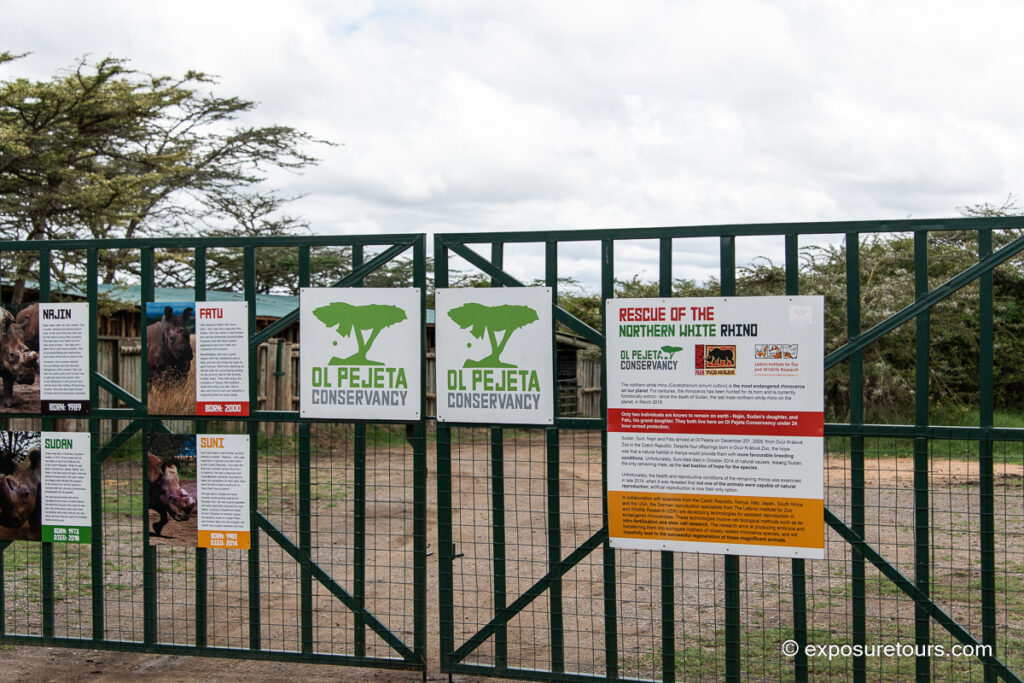
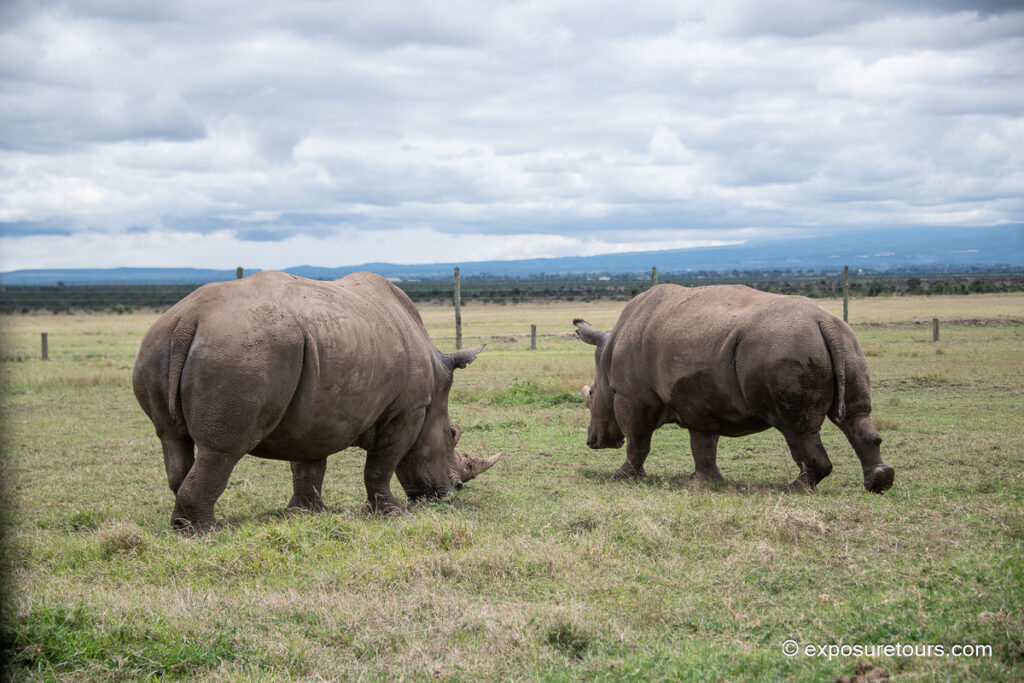
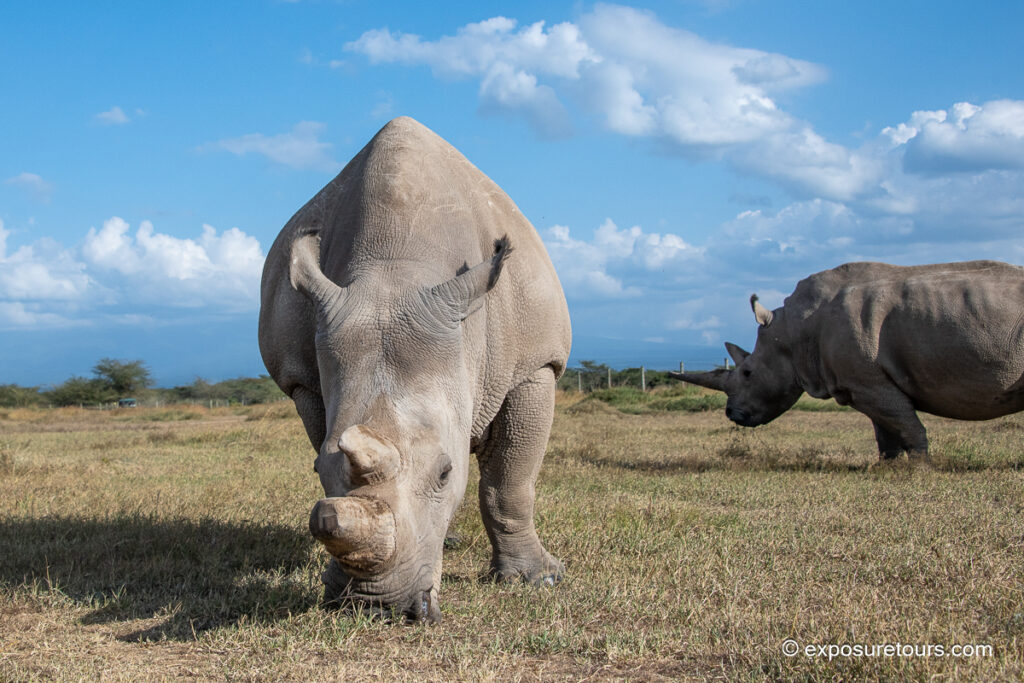
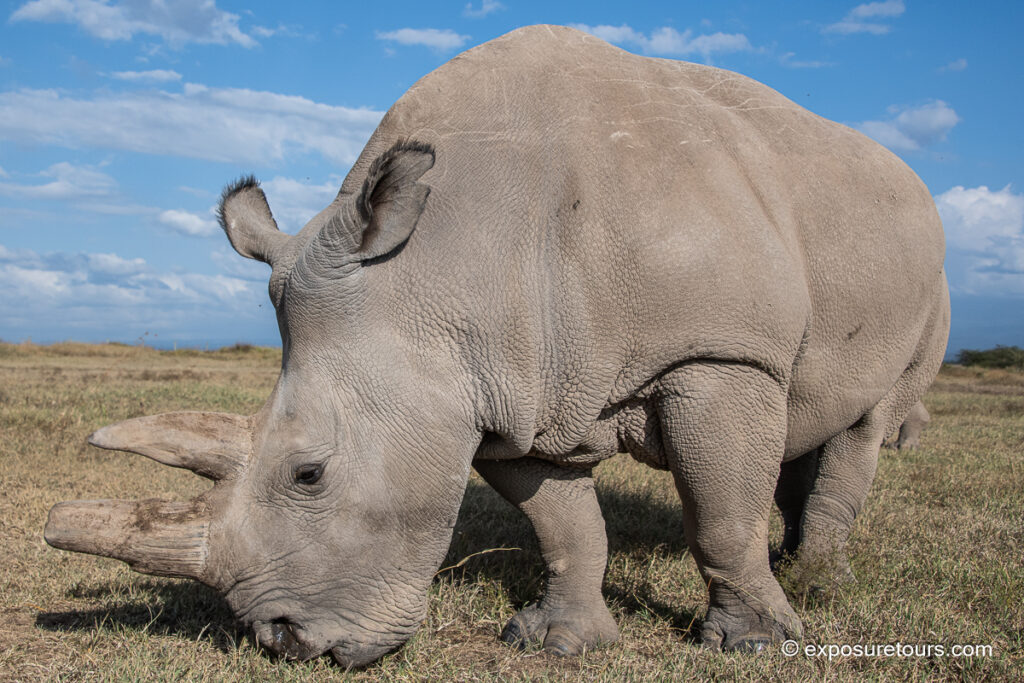
Visually, the northern white rhino is very similar to the southern white rhino (Ceratotherium simum simum). This similarity often made the two difficult to distinguish in the field. However, the northern subspecies is frequently described as slightly hairier. It also had a broader skull. Its back was flatter. The horns tended to point more forward. Body proportions were sometimes considered less massive overall. The head and legs were often described as subtly longer. Tragically, the northern white rhino is now functionally extinct. Only two females remain under constant protection. This gives the subspecies immense conservation significance.
Photo Tips:
For photographers, encounters with northern white rhinos are deeply meaningful and historic. Focus on portraits that emphasize facial detail and horn texture. Including the full scale of the animal can add impact. Soft, directional light works best to highlight skin texture. Wider compositions that include the surroundings can help tell the powerful conservation story behind this extraordinary subspecies.