
Tooltip Tags: Bird
-
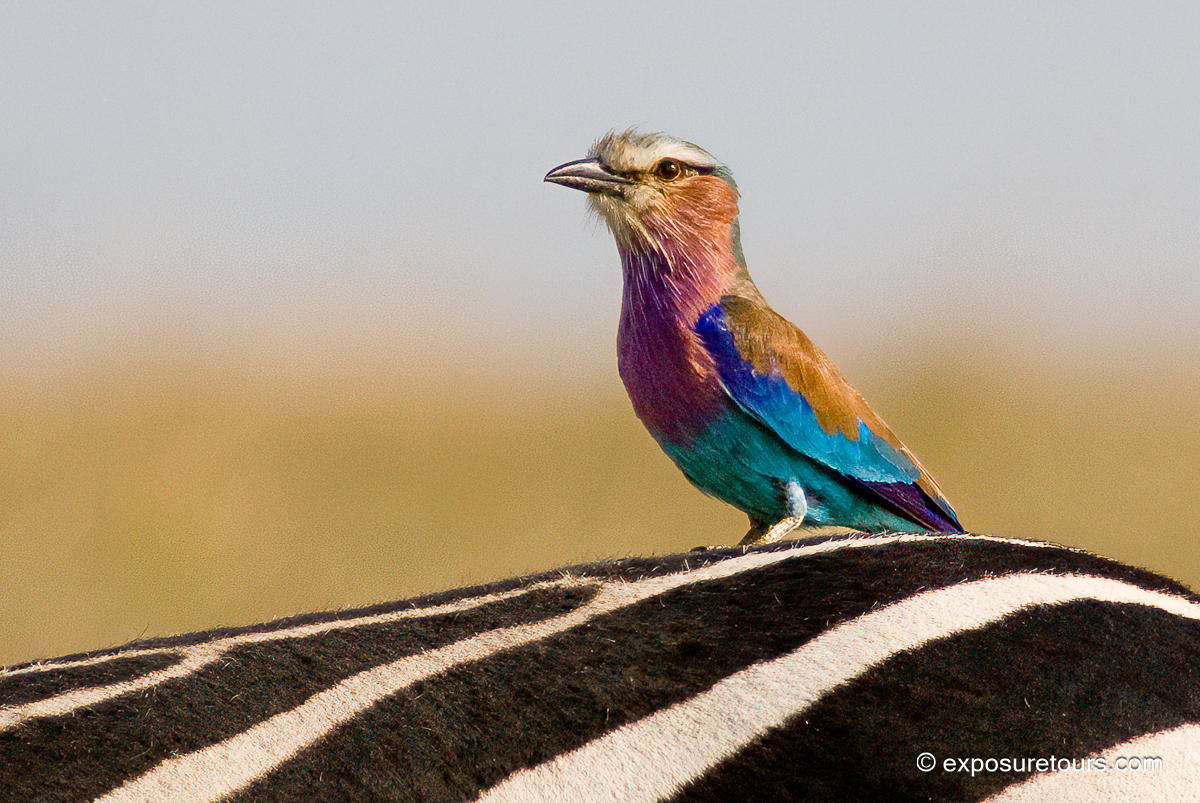
Lilac-breasted Roller
On
The Lilac-breasted Roller (Coracias caudatus) is one of Africa’s most colorful and instantly recognizable birds. It is commonly found in open savannas, woodlands, and lightly forested regions across eastern and southern Africa. Its vivid plumage includes shades of lilac, turquoise, blue, and chestnut. This striking combination makes it a standout subject in any wildlife setting.
-
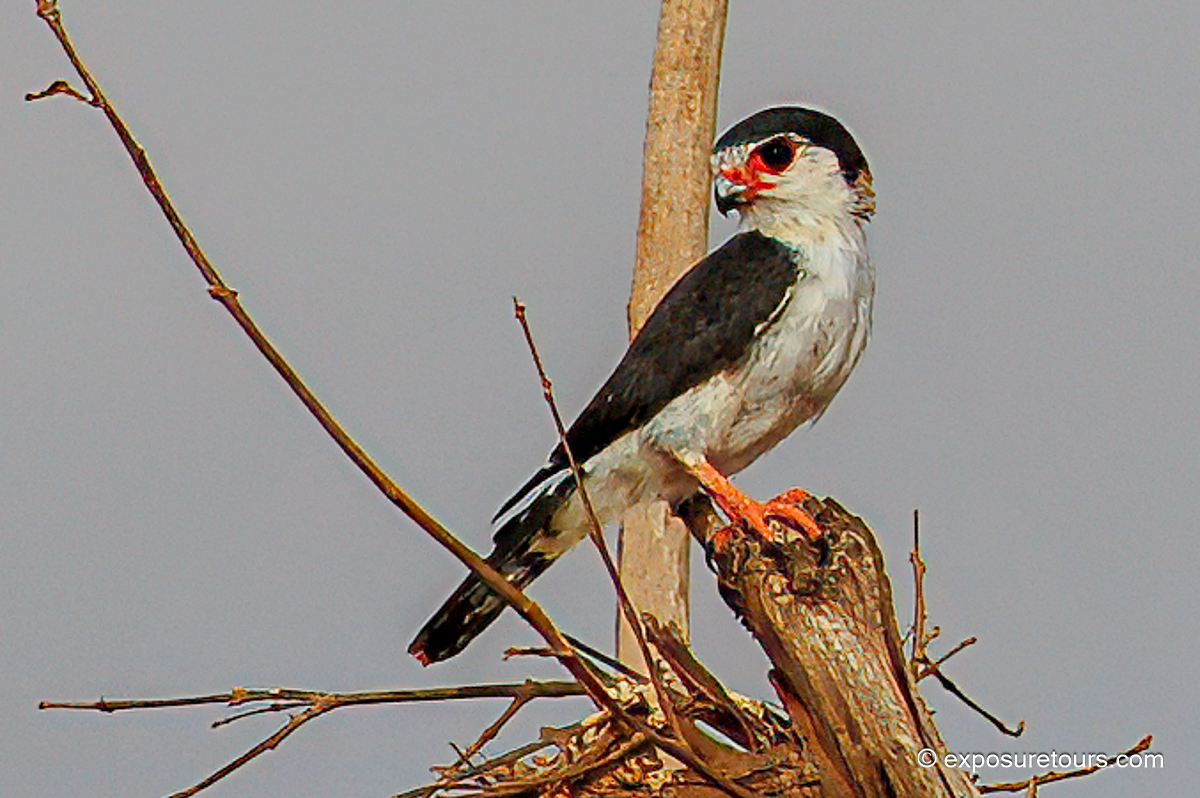
African Pygmy Falcon
On
The African Pygmy Falcon (Polihierax semitorquatus) is Africa’s smallest bird of prey and a charismatic resident of dry savannas and open woodland. It is especially common in southern and eastern Africa. In particular, the species is closely associated with acacia landscapes. As a result, it is frequently seen using abandoned weaver nests for shelter and
-
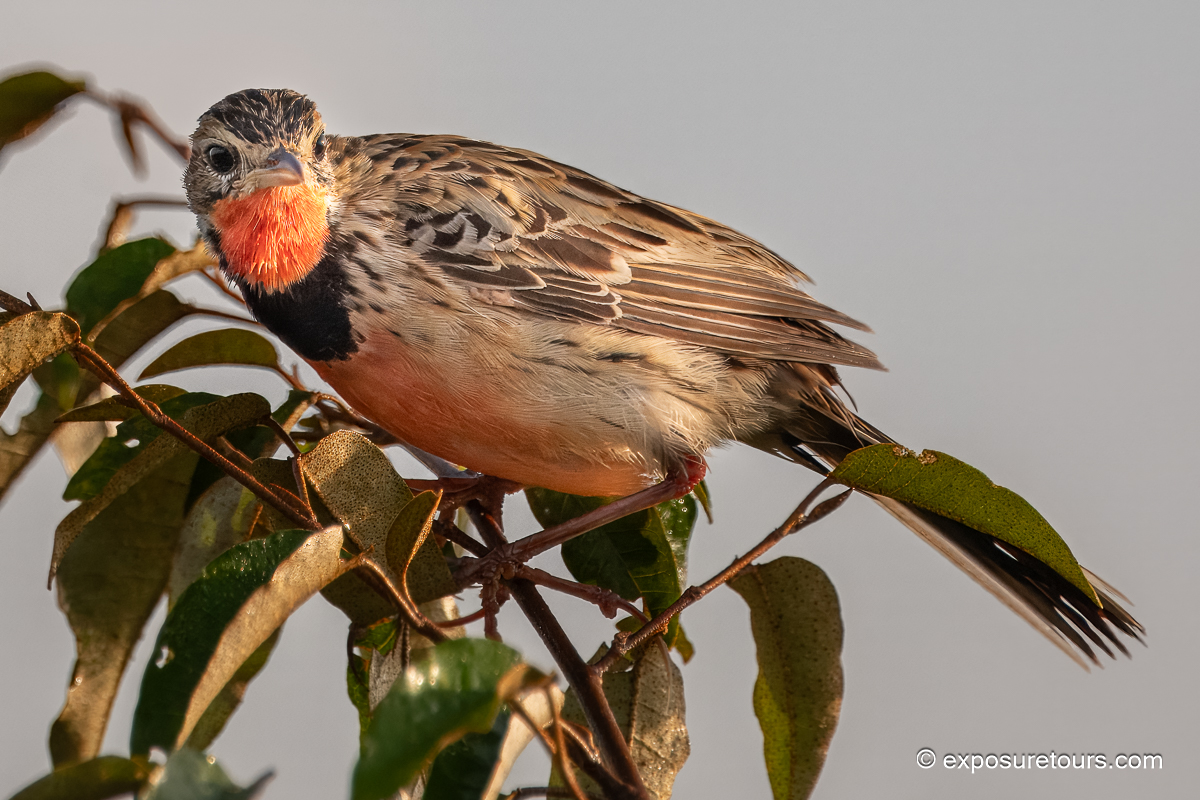
Longclaw (Rosy-throated)
On
The Rosy-throated Longclaw (Macronyx ameliae) is a striking grassland bird found primarily in moist savannas and highland grasslands of East Africa. Also know as the Rosy-breasted Longclaw. It is best known for its vivid pink throat and upper breast. These features contrast strongly with the bold black facial markings and streaked brown upperparts. Adults typically
-
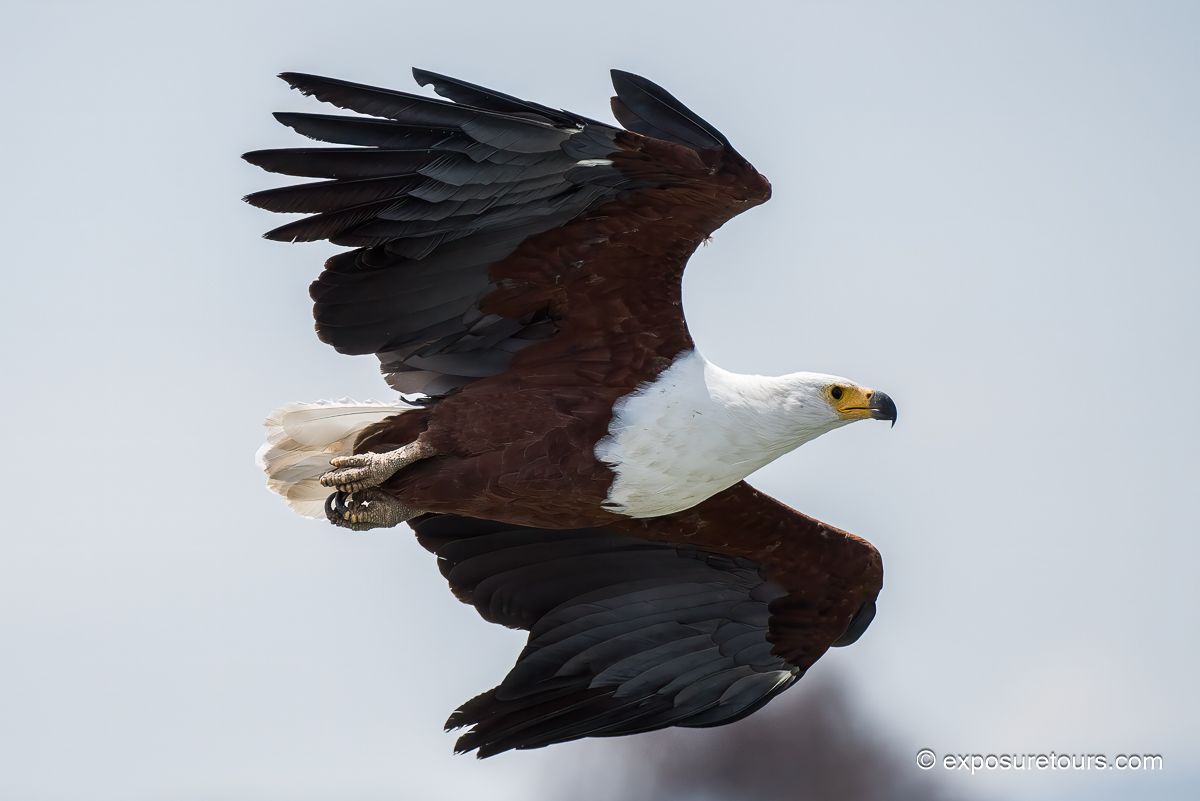
Fish Eagle (African)
On
The African Fish Eagle (Haliaeetus vocifer) is one of Africa’s most iconic raptors and a powerful symbol of wild waterways. It is widely distributed along lakes, rivers, reservoirs, and coastal lagoons throughout sub-Saharan Africa. Adults typically measure about 63–75 cm (25–30 in) in length. The wingspan ranges from approximately 1.8–2.4 m (6–8 ft). Males usually
-
Hamerkop
On
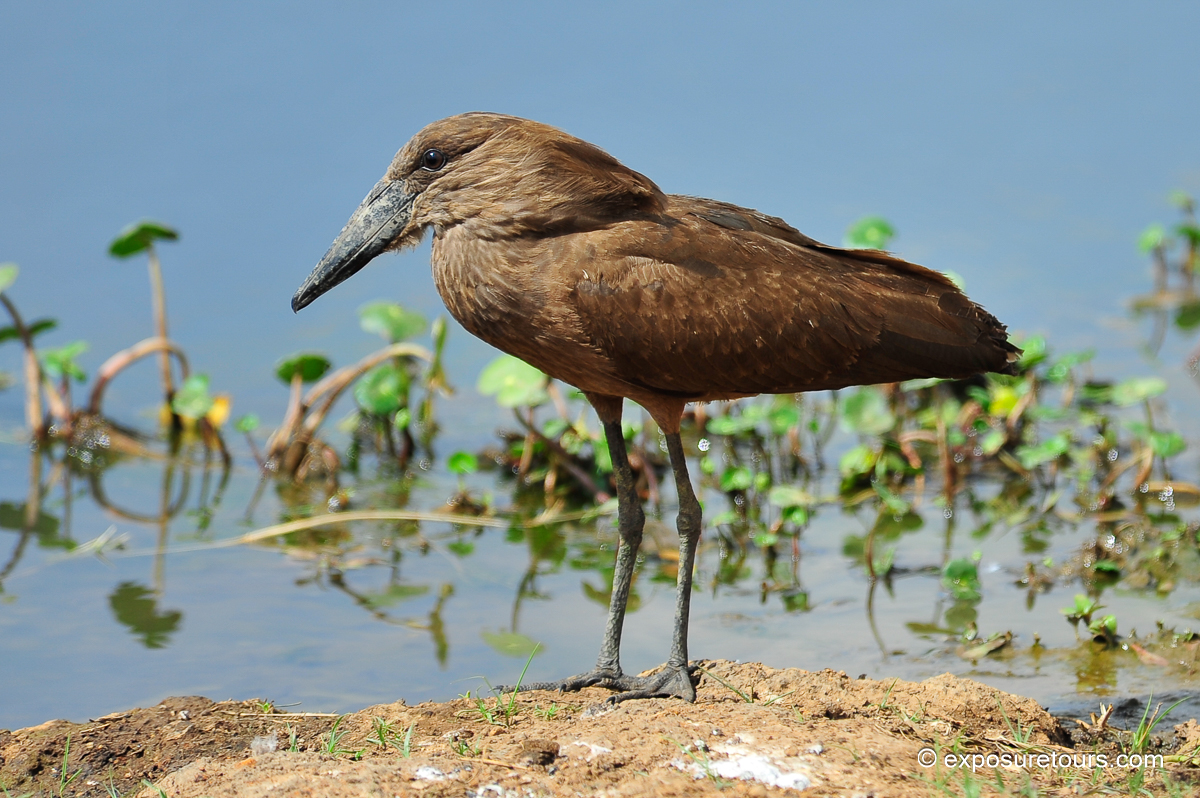
The Hamerkop (Scopus umbretta) is a unique and instantly recognizable waterbird found across wetlands, rivers, lakes, and floodplains throughout sub-Saharan Africa and parts of the Arabian Peninsula. It takes its name from the distinctive hammer-shaped head, formed by a long crest at the back of the skull. Hamerkop is the Afrikaans word for hammerhead. Adults
-

Jacana (African)
On
The African Jacana (Actophilornis africanus) is a distinctive and elegant waterbird found across freshwater wetlands, lakes, and slow-moving rivers throughout sub-Saharan Africa. It is instantly recognizable by its chestnut-brown body, white face, and elongated toes. These unusually long toes allow the bird to walk effortlessly across floating vegetation such as water lilies. Adults typically measure
-

Yellow-billed Stork
On
The Yellow-billed Stork (Mycteria ibis) is a striking wader, and it is commonly found in wetlands across sub-Saharan Africa. Moreover, this elegant bird is instantly recognizable by its bright yellow bill,. Additionally white plumage with a pinkish hue on the wings, and long, slender red legs. In addition, adults typically measure 90–100 cm (35–39 in)
-
Vulture (Rüppell’s)
On
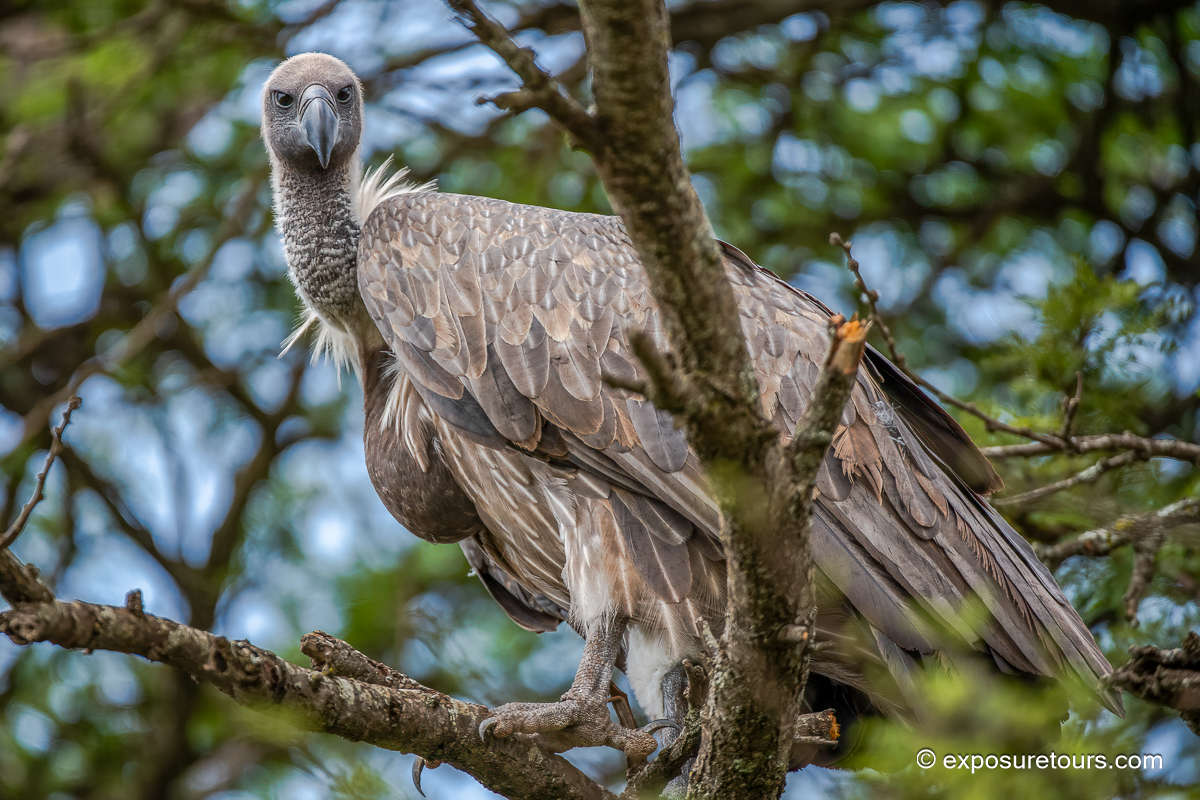
The Rüppell’s Vulture (Gyps rueppelli) is one of Africa’s most remarkable scavenging birds. It is famed for flying at higher altitudes than any other bird species. Furthermore, it is widely distributed across the savannas and semi-arid regions of East and Central Africa. The species is easily identified by its pale brown plumage, heavily scalloped with
-
Vulture (Lappet-faced)
On
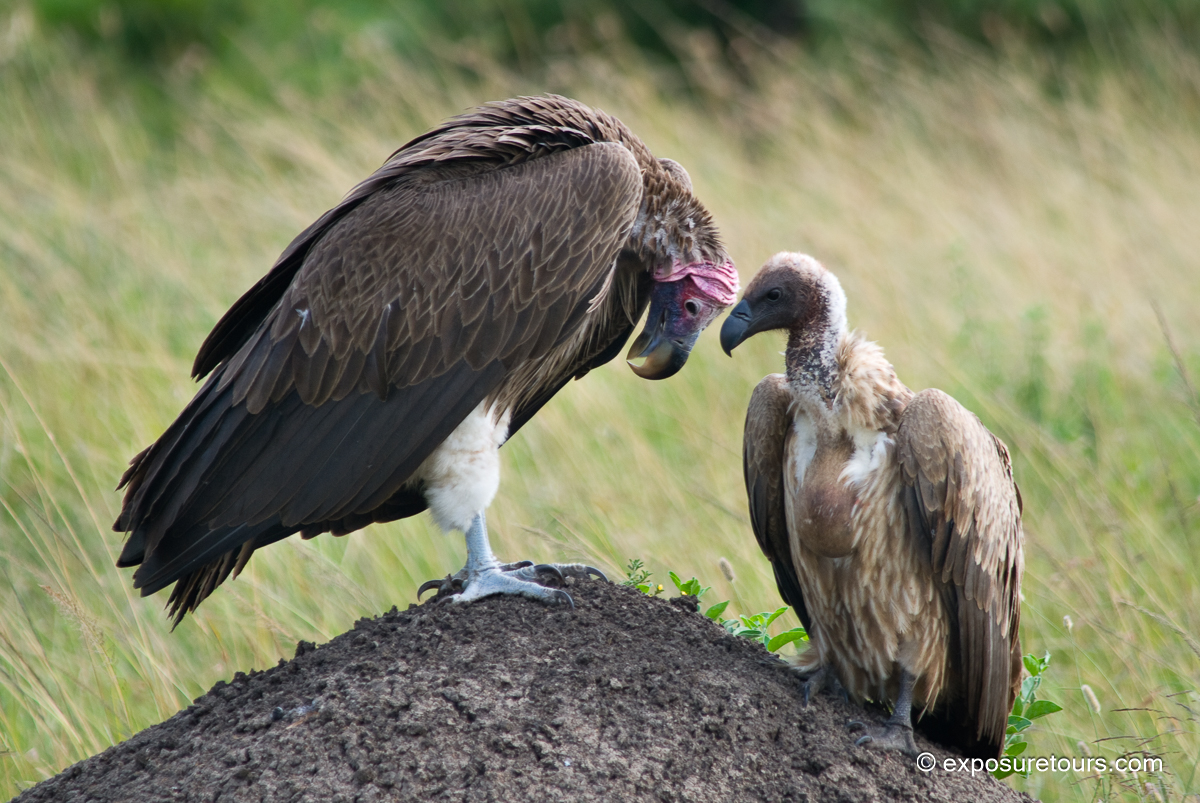
The Lappet-faced Vulture (Torgos tracheliotos) is one of Africa’s largest and most powerful birds of prey. It inhabits arid savannas, deserts, and open plains across much of sub-Saharan Africa. This species is easily identified by its massive hooked bill and the distinctive folds of bare skin, or lappets, along the sides of its head and
-
Saddle-billed Stork
On
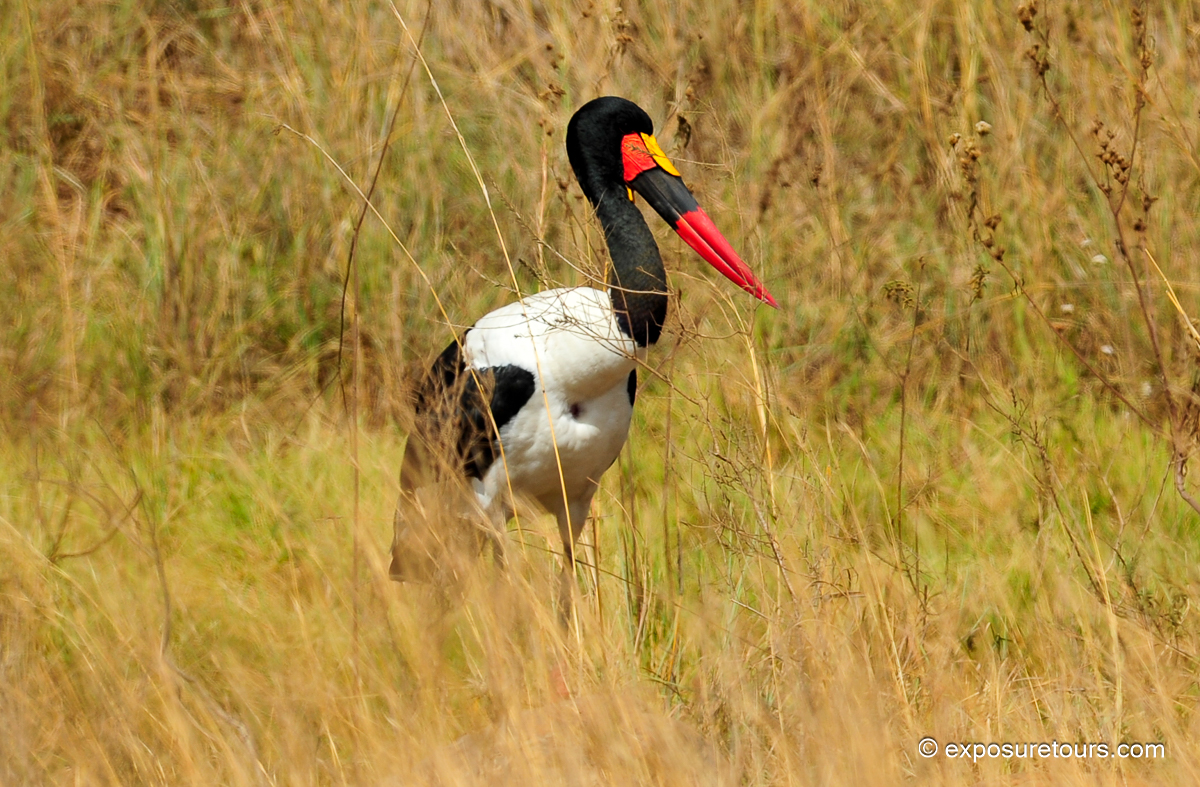
The Saddle-billed Stork (Ephippiorhynchus senegalensis) is one of Africa’s most striking and elegant wetland birds. It is easily recognized by its towering height and vividly colored bill. Naturally, the species is found along rivers, lakes, marshes, and floodplains across sub-Saharan Africa. In addition, it is notable for its bold black-and-white plumage and the distinctive red