
Tooltip Categories: Waterbirds & Waders
-
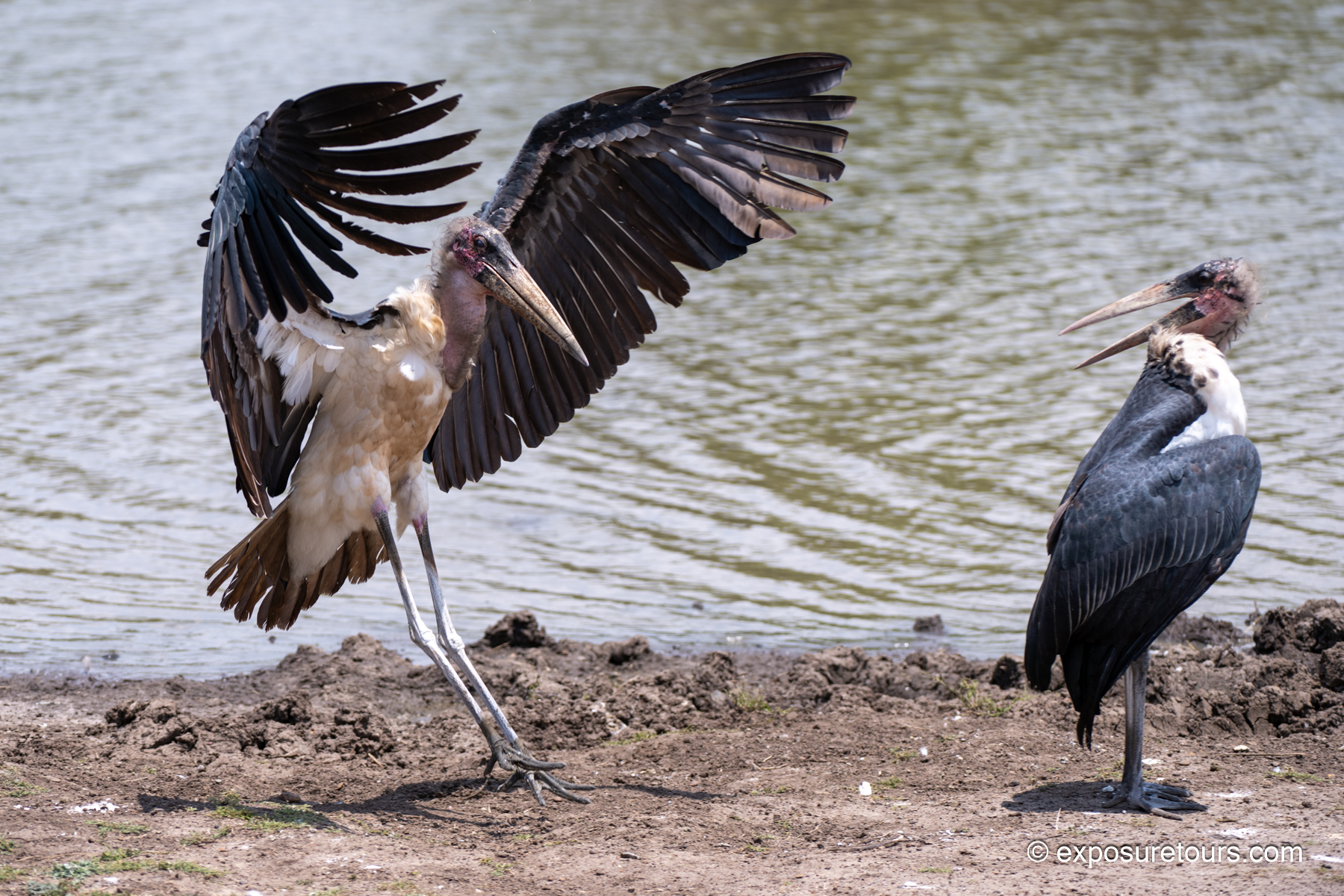
Marabou Stork
On
The Marabou Stork (Leptoptilos crumenifer) stands out as one of Africa’s most distinctive and often misunderstood birds. People commonly refer to it as the “undertaker bird” because of its hunched posture, bare head, and dark wings. Nevertheless, despite its ungainly appearance, the species shows remarkable adaptability and presence. You will often encounter it around wetlands
-
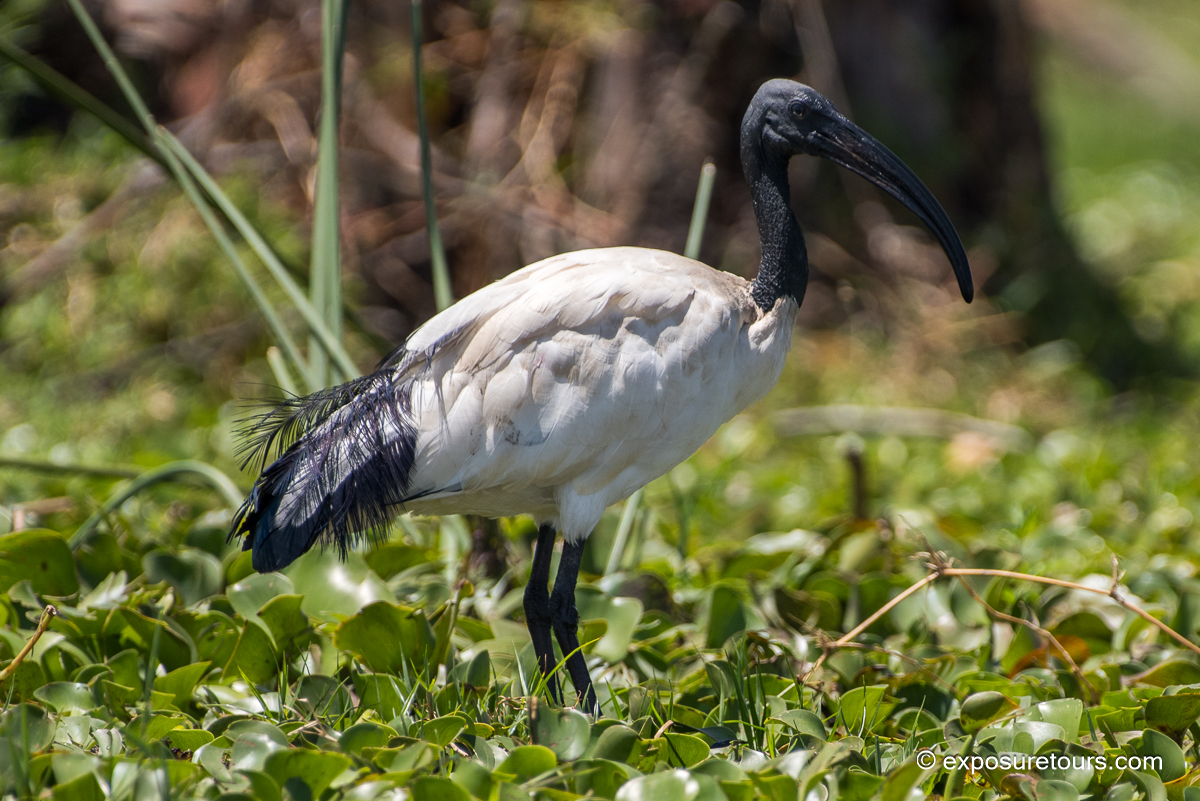
Sacred Ibis (African)
On
The African sacred ibis (Threskiornis aethiopicus) is a large and distinctive waterbird. It is widely distributed across sub-Saharan Africa, as well as parts of Madagascar and the Middle East. In particular, it is closely associated with wetlands, floodplains, lakeshores, marshes, and irrigated farmland. In these habitats, it forages methodically in shallow water and soft mud.
-
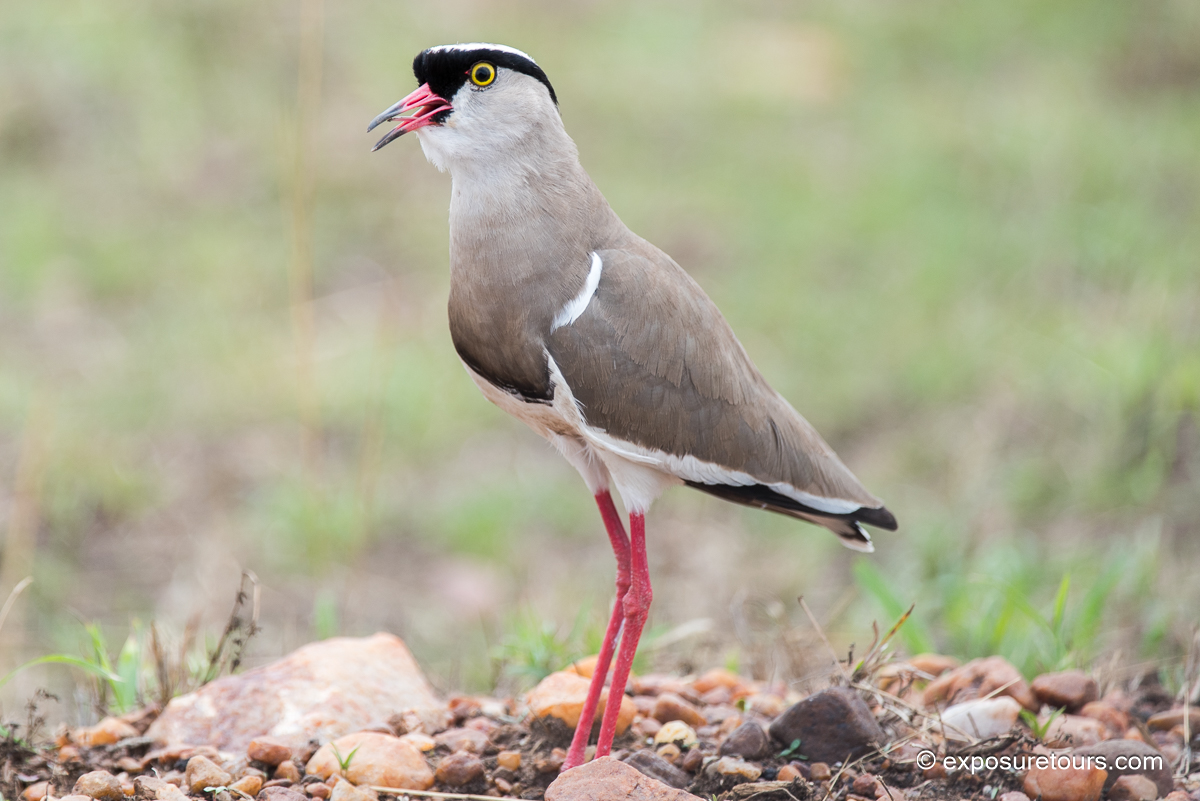
Crowned Lapwing
On
The crowned lapwing (Vanellus coronatus), also known as the crowned plover, is a striking and alert wader. It is commonly found across eastern and southern Africa. In particular, it favors open grasslands, short savannas, floodplains, and even cultivated fields. These habitats provide wide visibility, which suits its vigilant nature. Adults typically measure about 28–31 cm
-
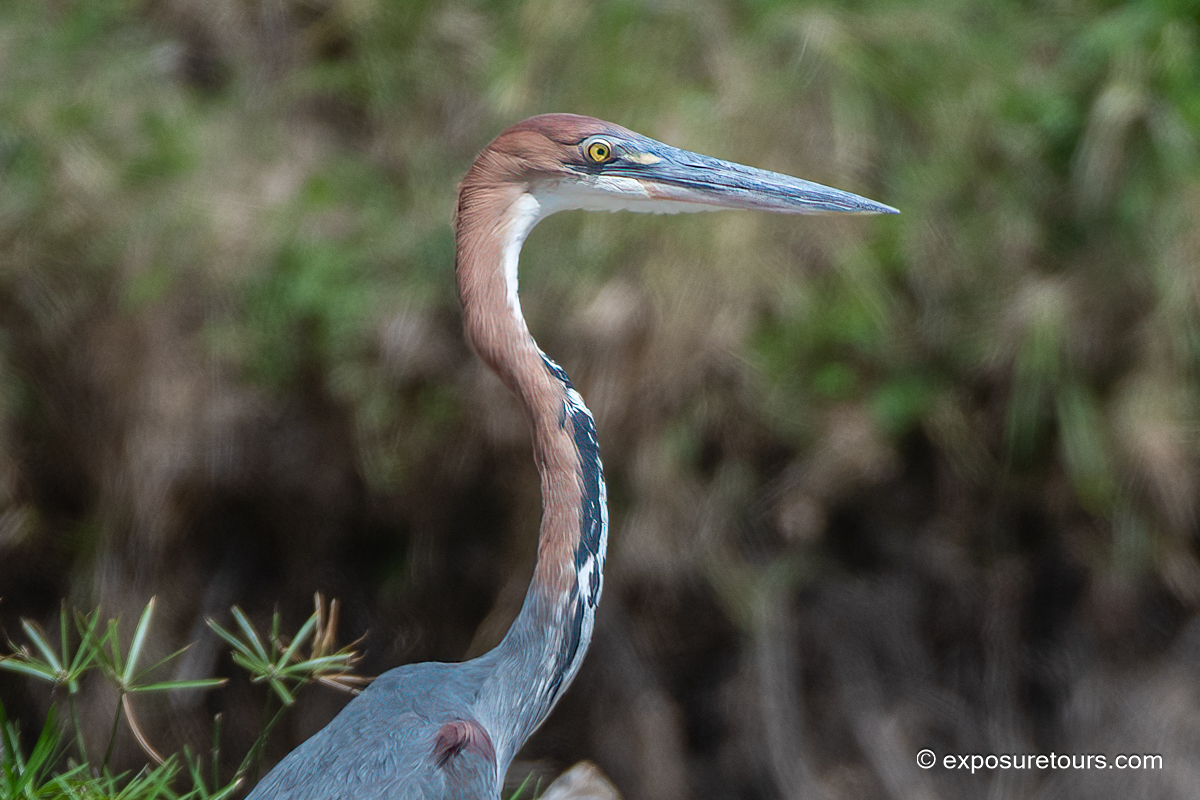
Heron (Goliath)
On
The Goliath Heron (Ardea goliath) is the largest heron in the world and a truly impressive sight in African wetlands, rivers, and lakes. It is easily recognized by its massive size, rusty-brown head and neck, slate-grey body, and long, powerful bill. Adults typically stand about 120–152 cm (47–60 in) tall, with a wingspan of 200–230
-
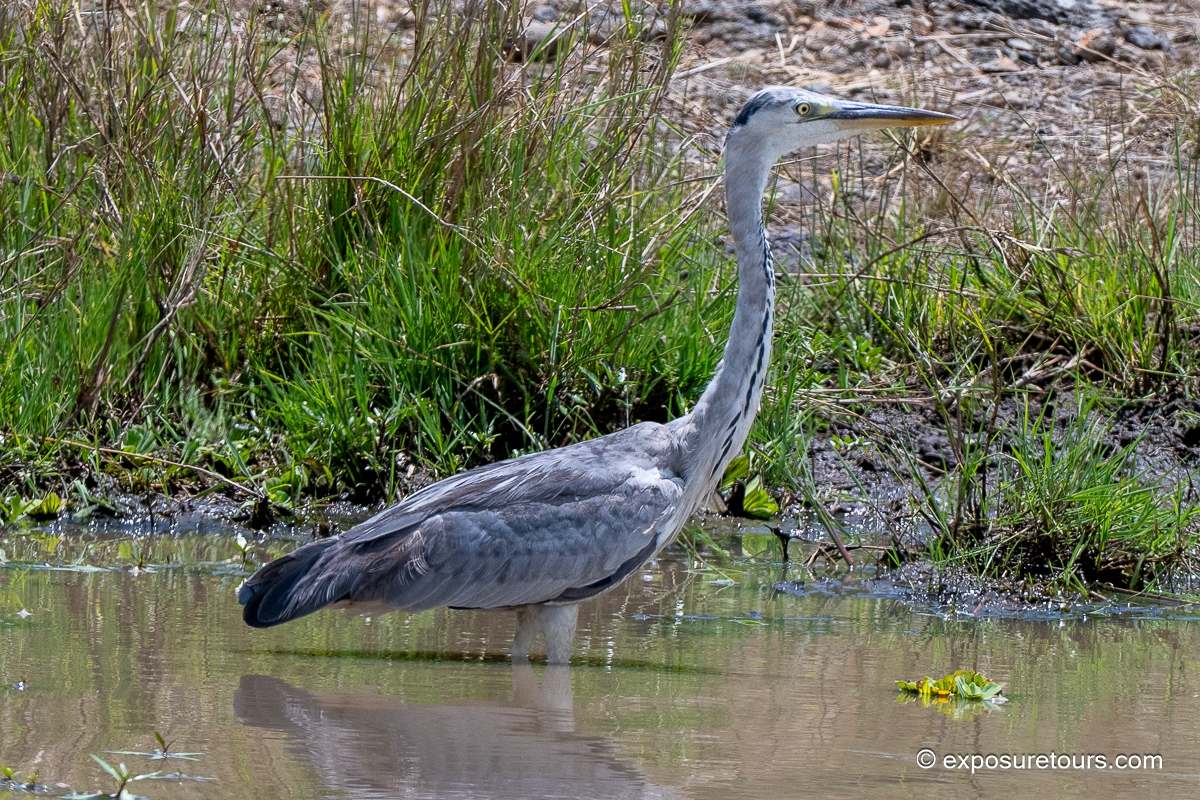
Heron (Grey)
On
The Grey Heron (Ardea cinerea) is a tall and elegant wading bird found throughout Africa, Europe, and parts of Asia. In sub-Saharan Africa, it is commonly seen in wetlands, rivers, lakes, and coastal areas. Adults typically measure 84–102 cm (33–40 in) in length. They also have a wingspan of 155–195 cm, making them one of
-
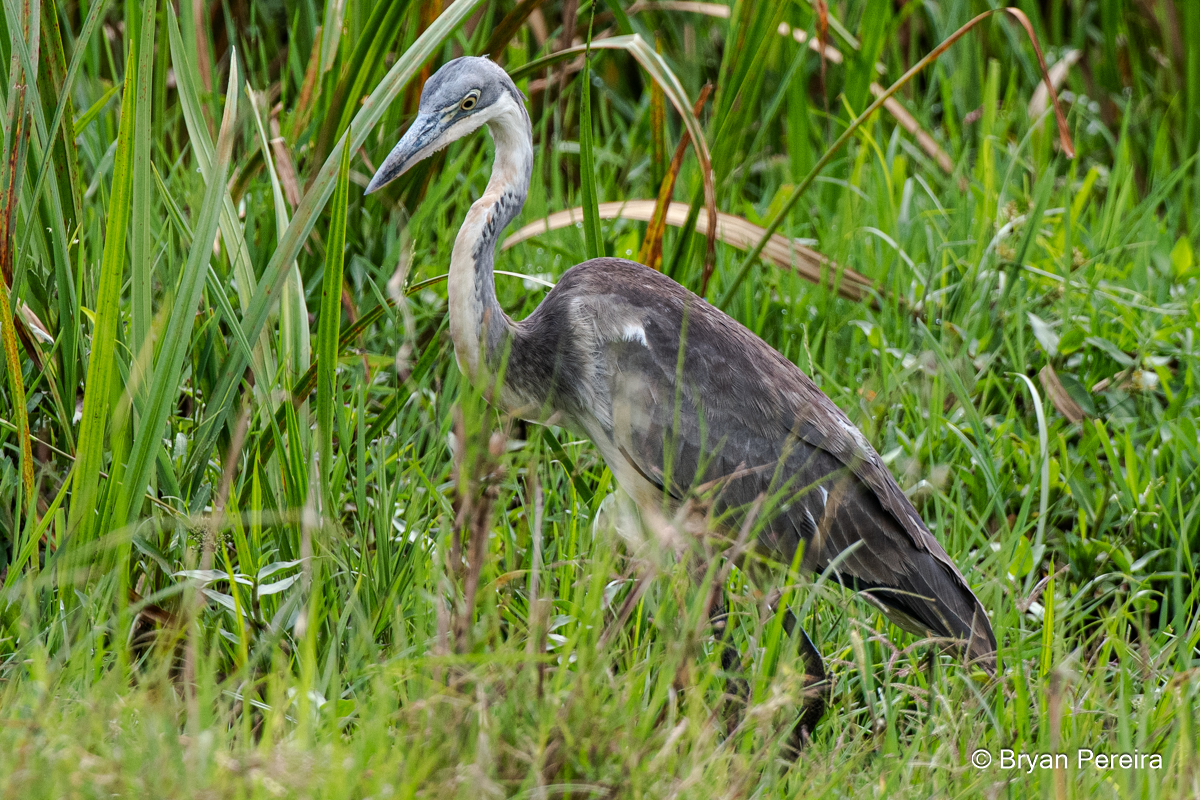
Heron (Black-headed)
On
The Black-headed Heron (Ardea melanocephala) is a widespread wading bird of sub-Saharan Africa. It is commonly found in wetlands, grasslands, and agricultural fields. Adults typically measure 76–98 cm (30–39 in) in length. They also have a wingspan of 135–155 cm, making them large but graceful herons. In addition, they weigh approximately 1–1.5 kg. This species
-
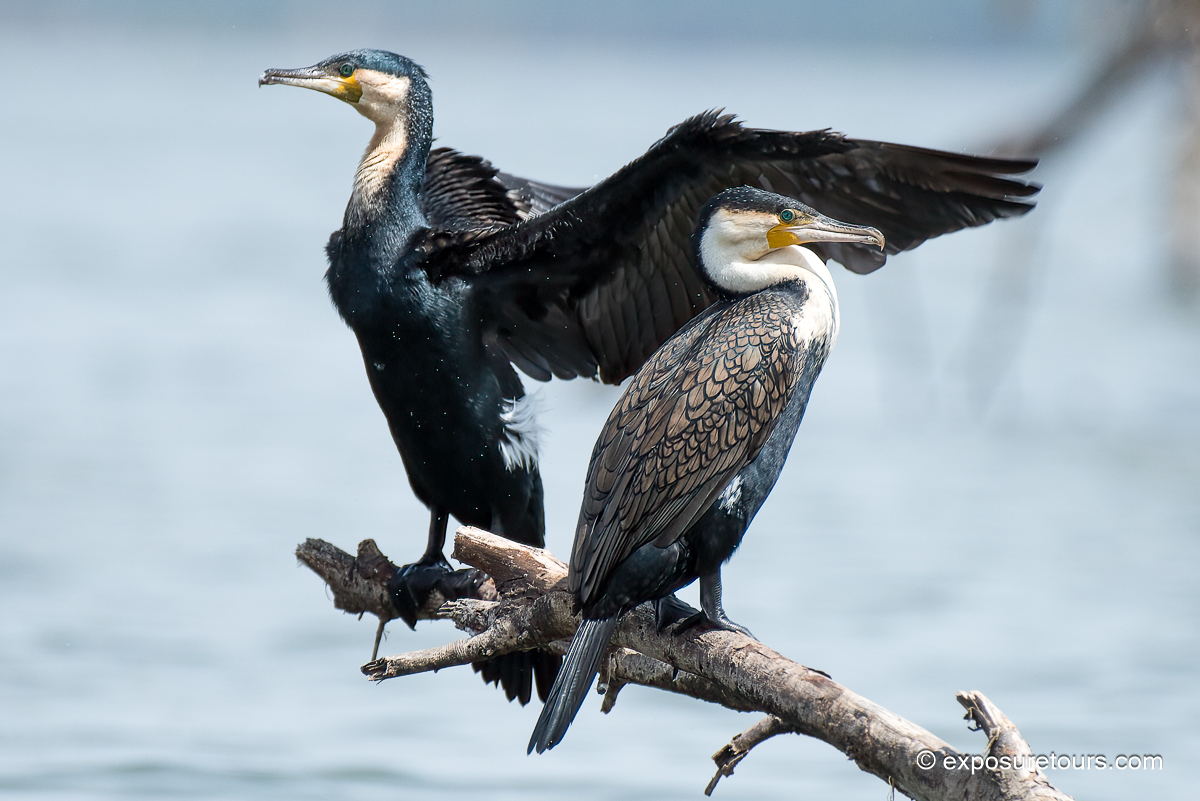
Great Cormorant
On
The Great Cormorant (Phalacrocorax carbo) is a large and powerful waterbird with a broad distribution across Africa, Europe, and Asia. In Africa, it is commonly found along large lakes, rivers, reservoirs, and coastal areas. As a result, it is often encountered in both inland and coastal settings. The species is easily recognized by its bulky
-

Reed Cormorant
On
The Reed Cormorant (Microcarbo africanus), also known as the Long-tailed Cormorant, is a slim and agile waterbird widely distributed across freshwater lakes, rivers, wetlands, and reservoirs throughout sub-Saharan Africa. As a result, it is a common sight along many African waterways. It is easily recognized by its slender neck and long tail. In addition, it
-
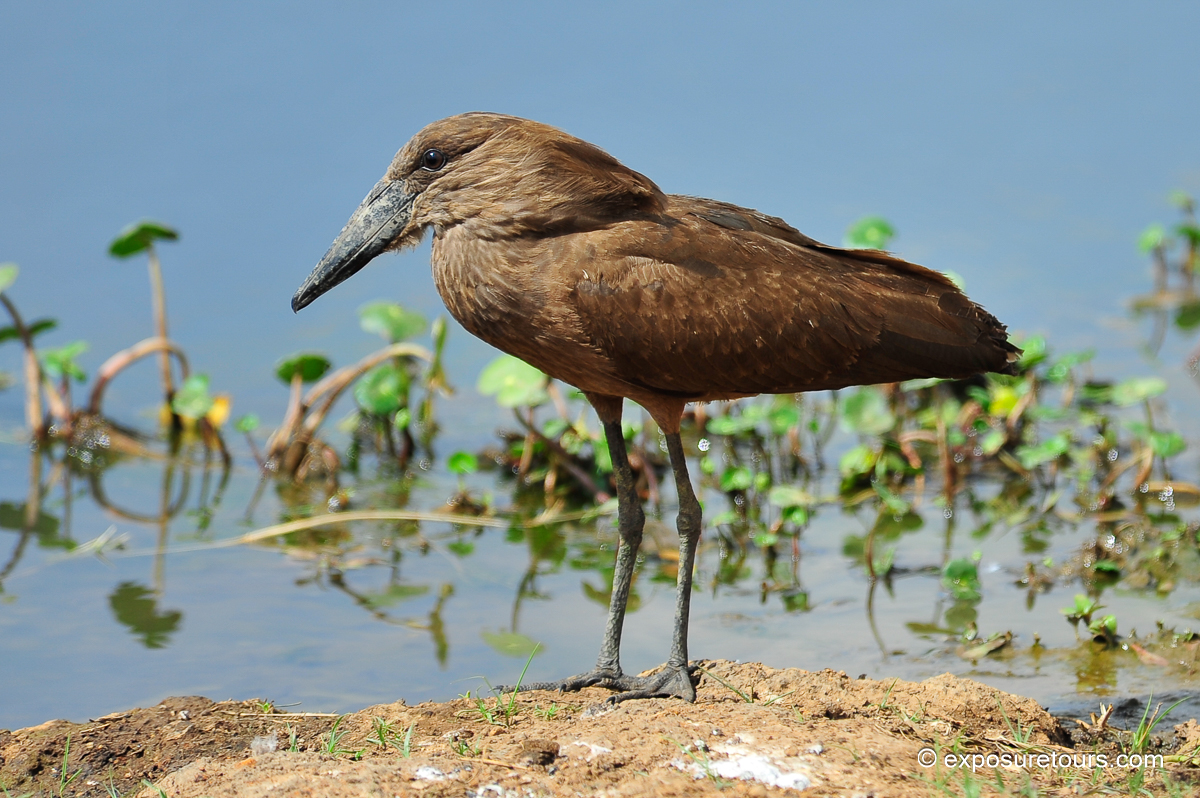
Hamerkop
On
The Hamerkop (Scopus umbretta) is a unique and instantly recognizable waterbird found across wetlands, rivers, lakes, and floodplains throughout sub-Saharan Africa and parts of the Arabian Peninsula. It takes its name from the distinctive hammer-shaped head, formed by a long crest at the back of the skull. Hamerkop is the Afrikaans word for hammerhead. Adults
-

Jacana (African)
On
The African Jacana (Actophilornis africanus) is a distinctive and elegant waterbird found across freshwater wetlands, lakes, and slow-moving rivers throughout sub-Saharan Africa. It is instantly recognizable by its chestnut-brown body, white face, and elongated toes. These unusually long toes allow the bird to walk effortlessly across floating vegetation such as water lilies. Adults typically measure