
Tooltip Categories: Ungulates (Hoofed Mammals)
-
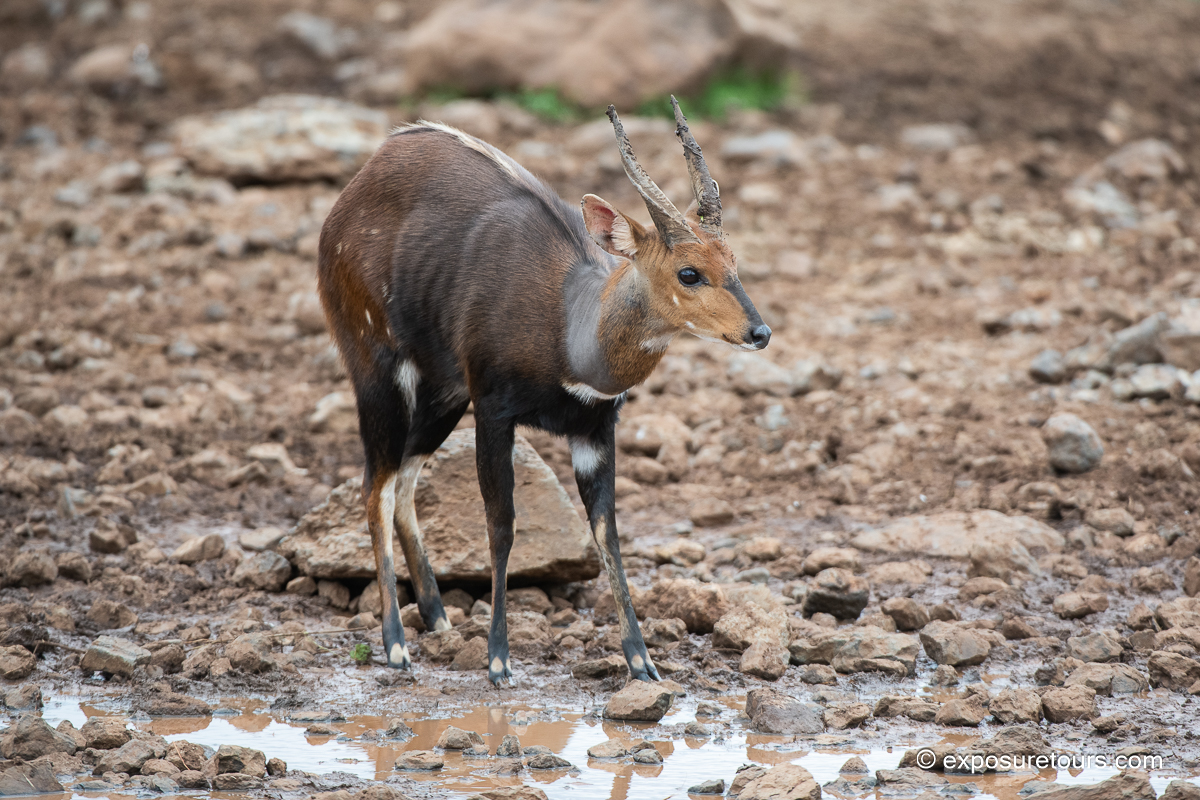
Bushbuck
On
The bushbuck (Tragelaphus sylvaticus) is a shy and elegantly built antelope that is widely distributed across sub-Saharan Africa. It favors dense woodland, riverine forest, thickets, and well-vegetated savannas. In appearance, it is a medium-sized antelope with a slender body and large ears. Its coat ranges from rich chestnut to dark brown. In addition, many individuals
-
Big 5
On
Africa’s Big Five refers to five of the continent’s most iconic and sought-after large mammals: the African Elephant (Loxodonta africana), African Lion (Panthera leo), Leopard (Panthera pardus), Cape Buffalo (Syncerus caffer), and Black or White Rhinoceros (Diceros bicornis / Ceratotherium simum). Moreover, these species vary greatly in size and form. For instance, elephants are the
-
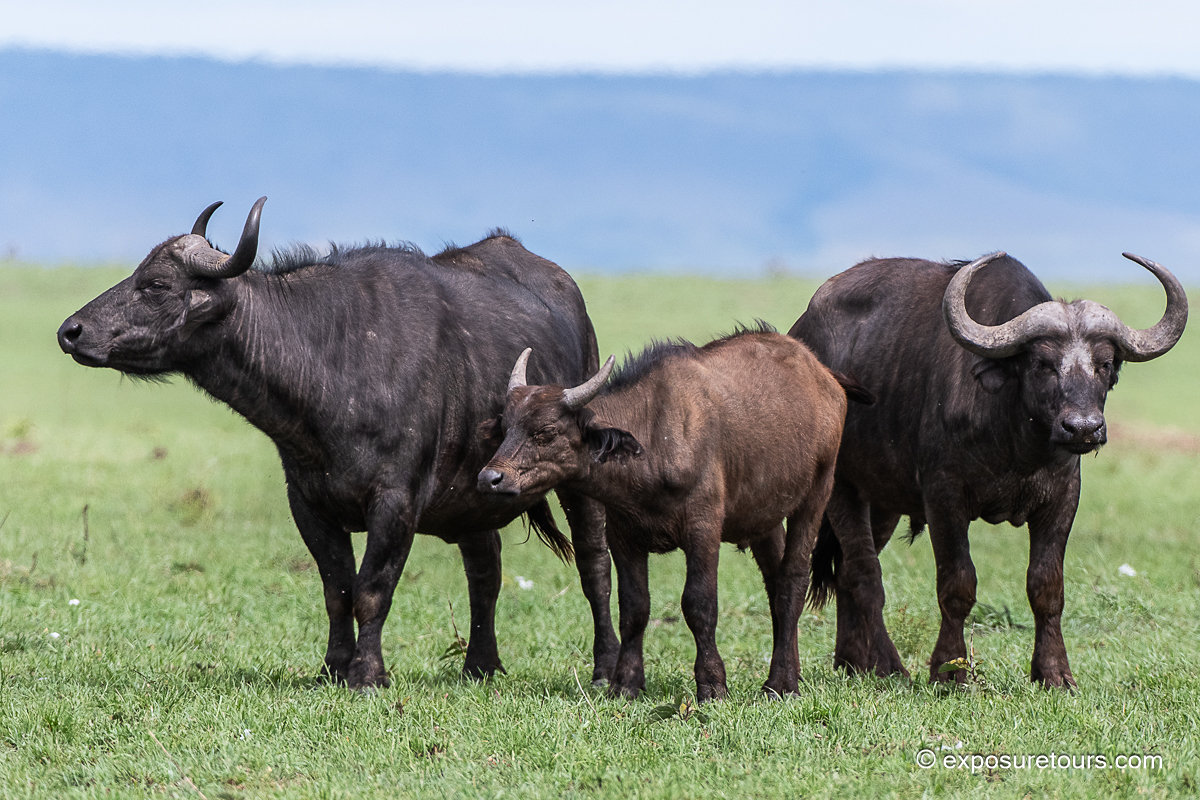
Buffalo (Cape)
On
The Cape Buffalo (Syncerus caffer) is one of Africa’s most powerful and iconic large mammals. It inhabits savannas, floodplains, woodlands, and grasslands across sub-Saharan Africa. Notoriously strong and unpredictable, this species is easily recognized by its massive build and dark, coarse coat. Mature bulls also display heavy, curved horns that often form a solid boss
-
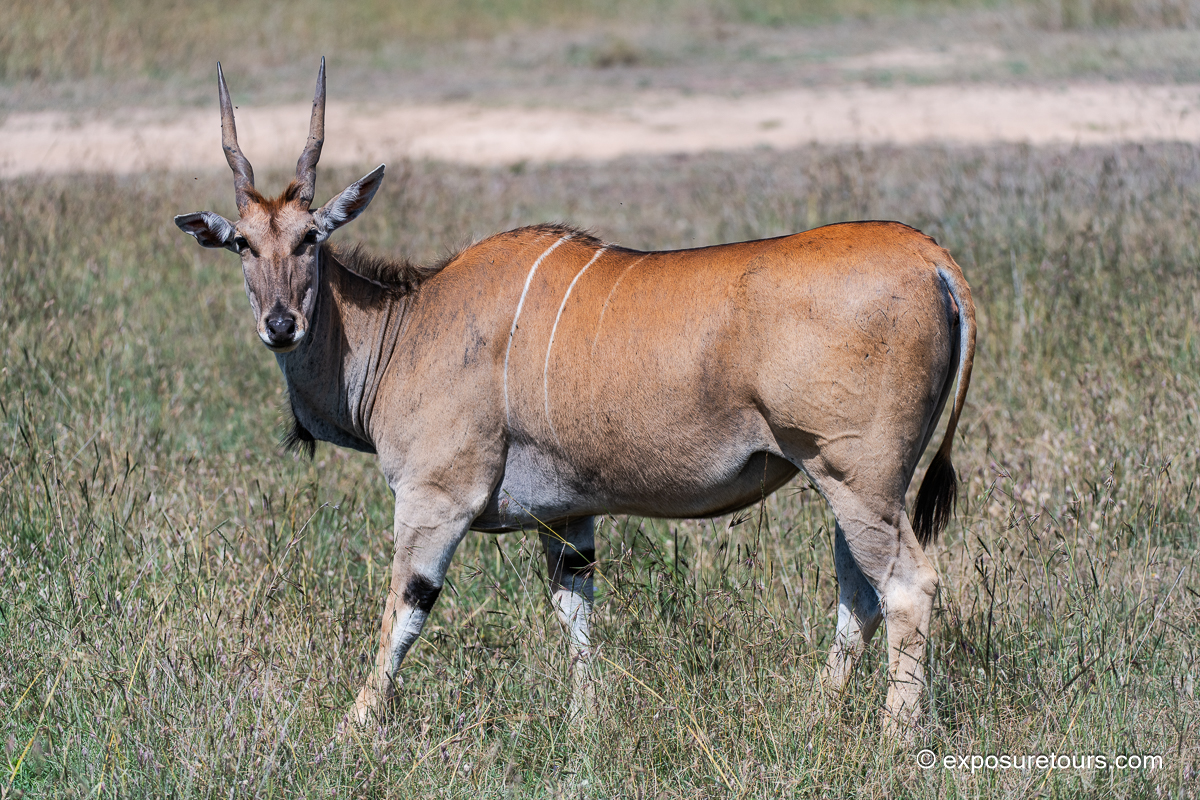
Eland
On
The Eland (Taurotragus oryx), the largest of all antelope species, is a powerful yet surprisingly graceful inhabitant of Africa’s savannas, woodlands, and open plains. Adult males can stand up to 180 cm (71 in) at the shoulder. They may weigh between 400–1,000 kg (880–2,200 lbs). Females are slightly smaller and lighter in build. Both sexes
-

Gerenuk
On
he gerenuk, also known as the giraffe gazelle (Litocranius walleri), is a distinctive antelope found in the dry bushlands and semi-arid regions of East Africa. It is immediately recognizable by its elongated neck and slender body. A small head further enhances its unique, almost giraffe-like appearance. Adults typically stand about 85–105 cm (33–41 in) at
-

Wildebeest
On
The wildebeest, also known as the gnu (Connochaetes taurinus), is one of Africa’s most iconic antelopes. It is a defining species of the open savannahs and grasslands of East and Southern Africa. Robust yet agile, adult wildebeest typically stand about 115–145 cm (45–57 in) at the shoulder. Body length ranges from roughly 1.7–2.4 m (5.6–7.9
-

Topi
On
The topi (Damaliscus lunatus) is a striking and fast antelope of Africa’s open grasslands and floodplains. It is easily recognized by its rich reddish-brown coat. In addition, darker patches are visible on the upper legs and face. Overall, the species has a sleek, athletic build. Adults typically stand about 100–120 cm (39–47 in) at the
-
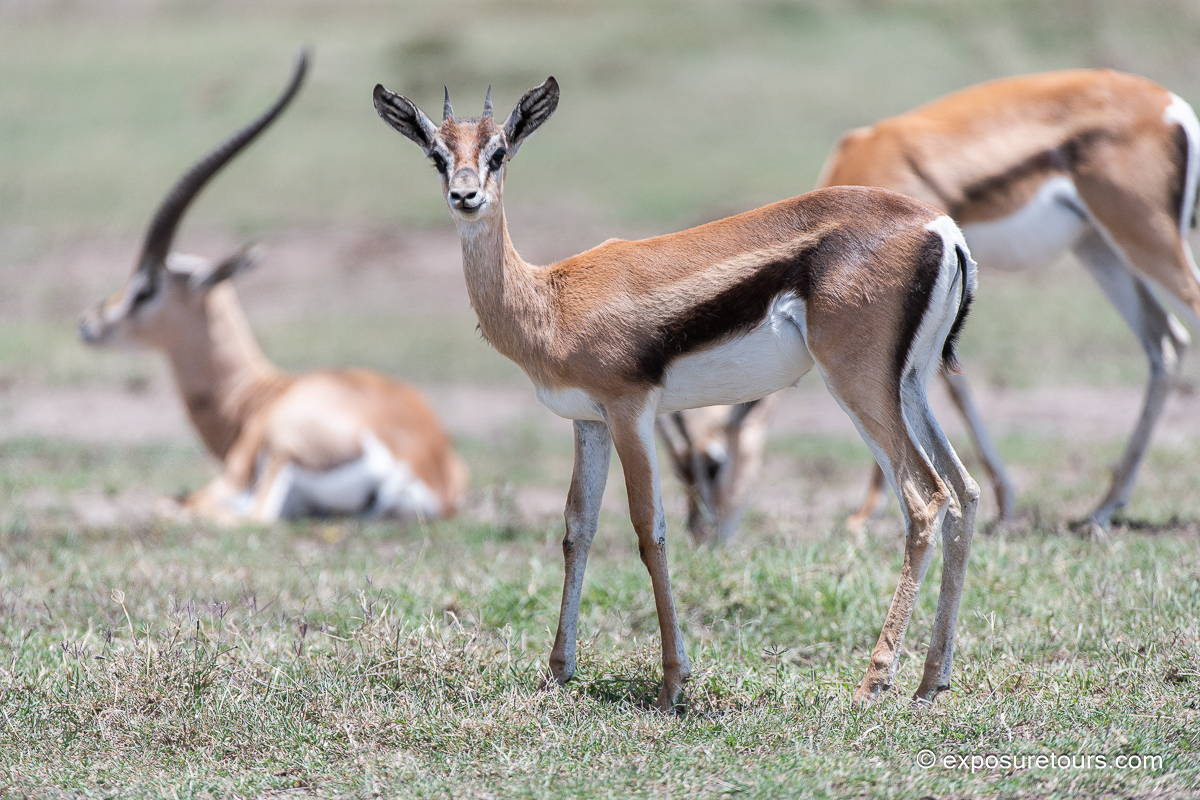
Thompson’s Gazelle
On
Thompson’s Gazelle (Eudorcas thomsonii) is one of the most iconic antelopes of the African savannah. Admired for its grace, speed, and striking markings, it captures the attention of photographers and wildlife enthusiasts alike. Adult males typically stand about 60–80 cm at the shoulder and weigh between 20–35 kg. Females are slightly smaller and lighter. Recognizable
-

Rhinoceros White and Black Comparisons
On
Rhinoceros White and Black Comparisons: Although often confused, the Black Rhino (Diceros bicornis) and the White Rhino (Ceratotherium simum) show several clear visual differences. The most noticeable distinction is the shape of the mouth: Black Rhinos have a pointed, prehensile upper lip adapted for browsing shrubs and trees, while White Rhinos have a wide, flat
-

Rhinoceros (Northern White)
On
The northern white rhinoceros (Ceratotherium simum cottoni) is a rare and iconic subspecies of the white rhino. It is also one of the most endangered mammals on Earth. Historically, it inhabited the grasslands and savannahs of Central and East Africa. In terms of size and overall structure, the northern white rhino closely resembles the southern