
Tooltip Categories: Birds
-
Vulture (Rüppell’s)
On
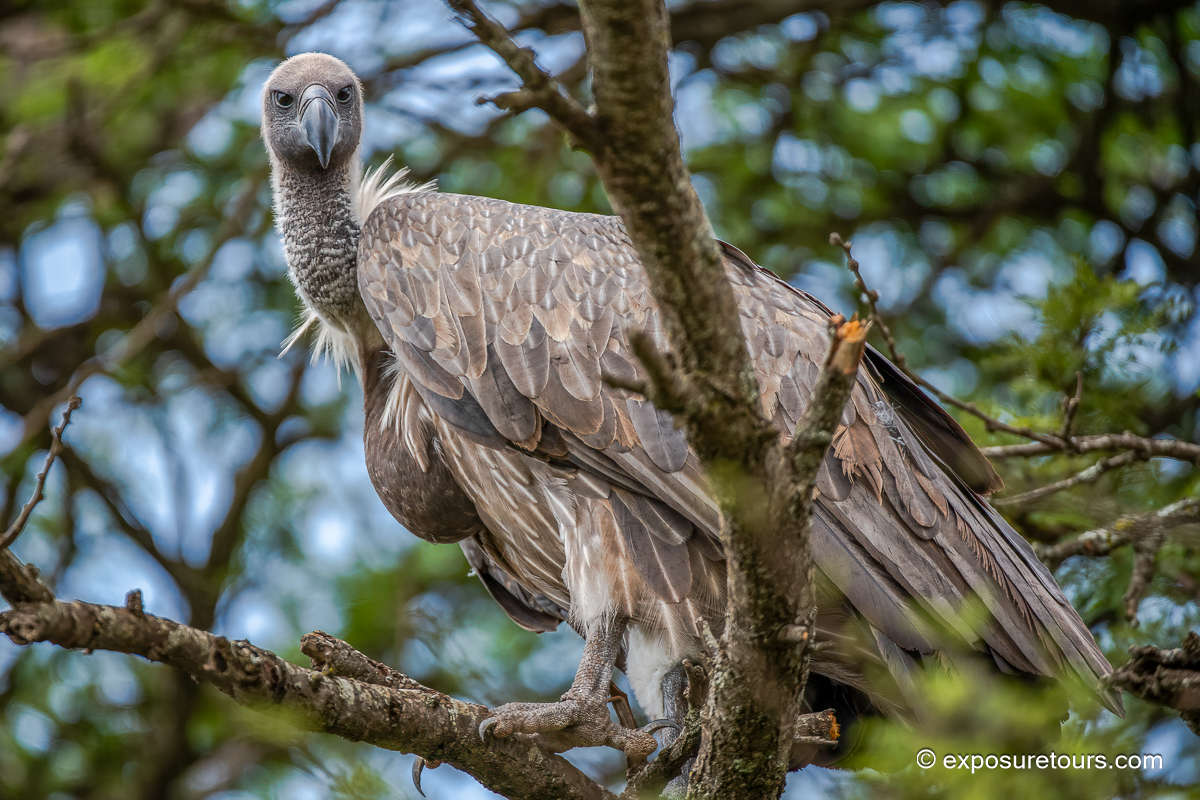
The Rüppell’s Vulture (Gyps rueppelli) is one of Africa’s most remarkable scavenging birds. It is famed for flying at higher altitudes than any other bird species. Furthermore, it is widely distributed across the savannas and semi-arid regions of East and Central Africa. The species is easily identified by its pale brown plumage, heavily scalloped with
-
Vulture (Lappet-faced)
On
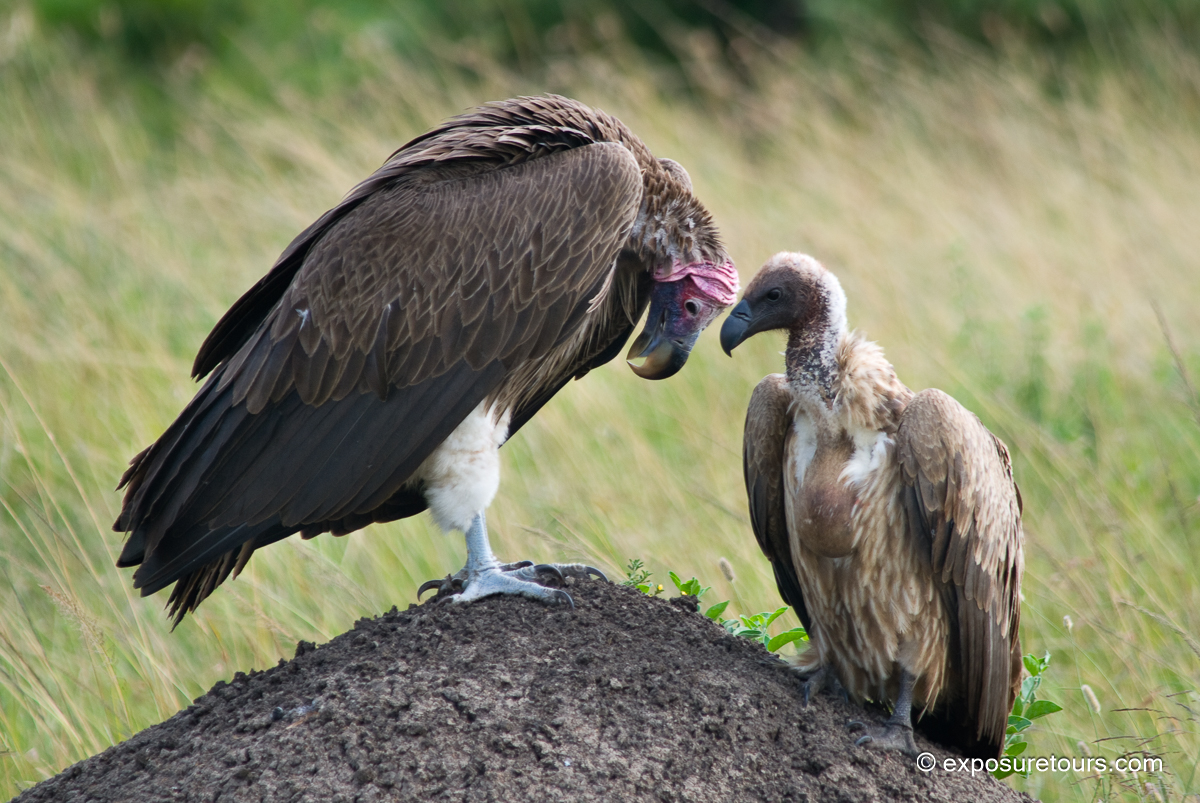
The Lappet-faced Vulture (Torgos tracheliotos) is one of Africa’s largest and most powerful birds of prey. It inhabits arid savannas, deserts, and open plains across much of sub-Saharan Africa. This species is easily identified by its massive hooked bill and the distinctive folds of bare skin, or lappets, along the sides of its head and
-
Saddle-billed Stork
On
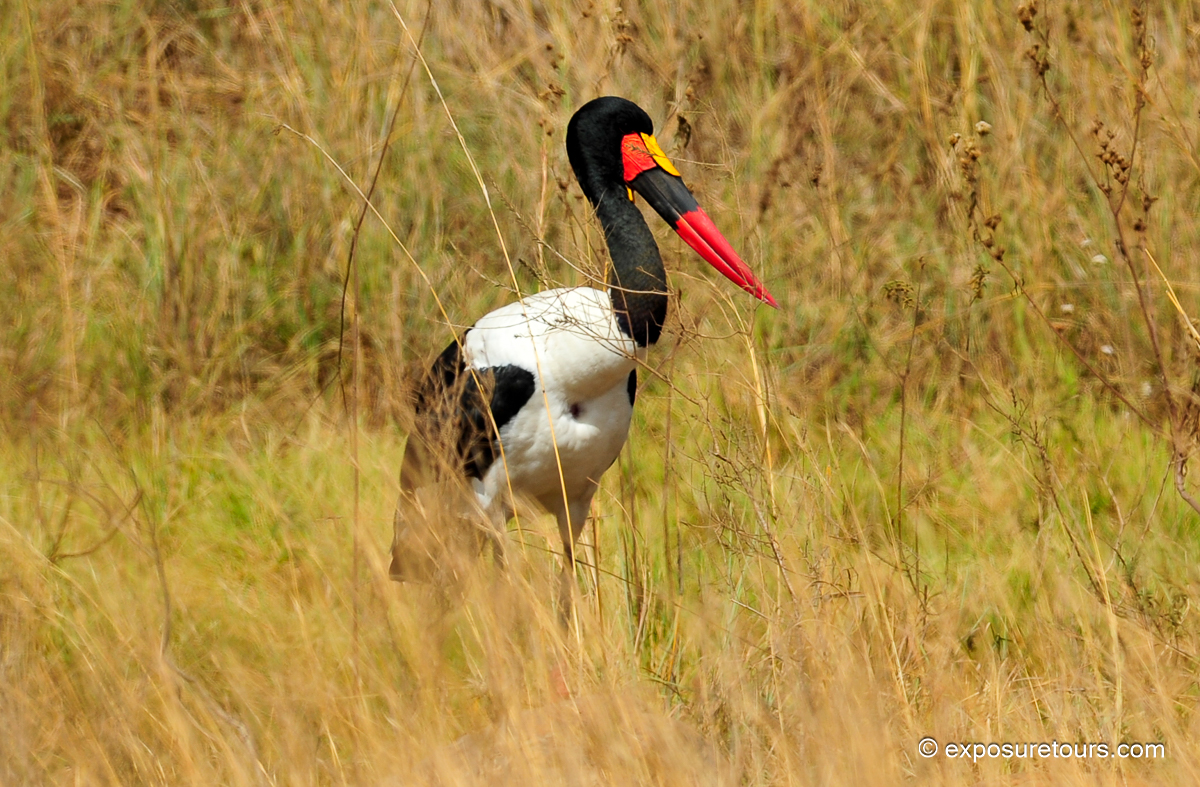
The Saddle-billed Stork (Ephippiorhynchus senegalensis) is one of Africa’s most striking and elegant wetland birds. It is easily recognized by its towering height and vividly colored bill. Naturally, the species is found along rivers, lakes, marshes, and floodplains across sub-Saharan Africa. In addition, it is notable for its bold black-and-white plumage and the distinctive red
-
Secretarybird
On
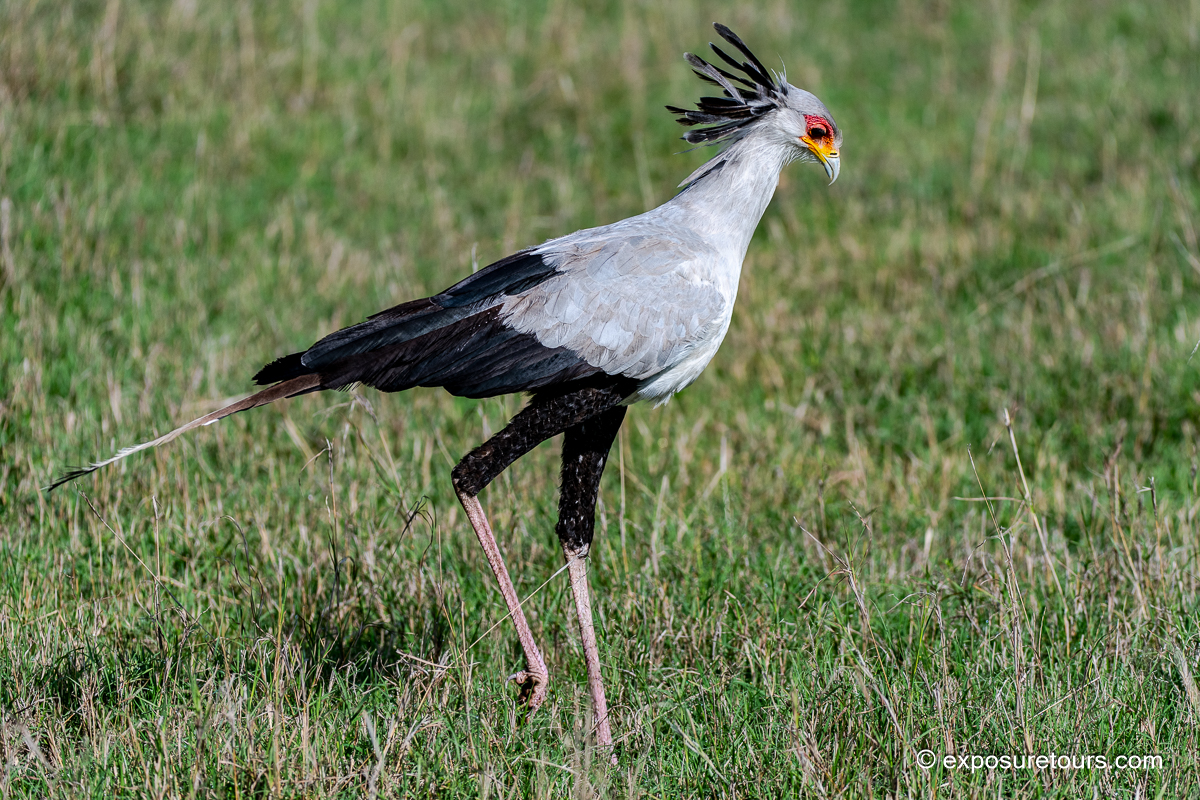
The Secretarybird (Sagittarius serpentarius) is a striking and unmistakable raptor of Africa’s open grasslands and savannas. It is easily recognized by its long legs, upright stance, and distinctive crest of black feathers. This species is uniquely adapted for hunting on foot rather than from the air. Adults typically stand about 1.2–1.5 m (4–5 ft) tall.
-
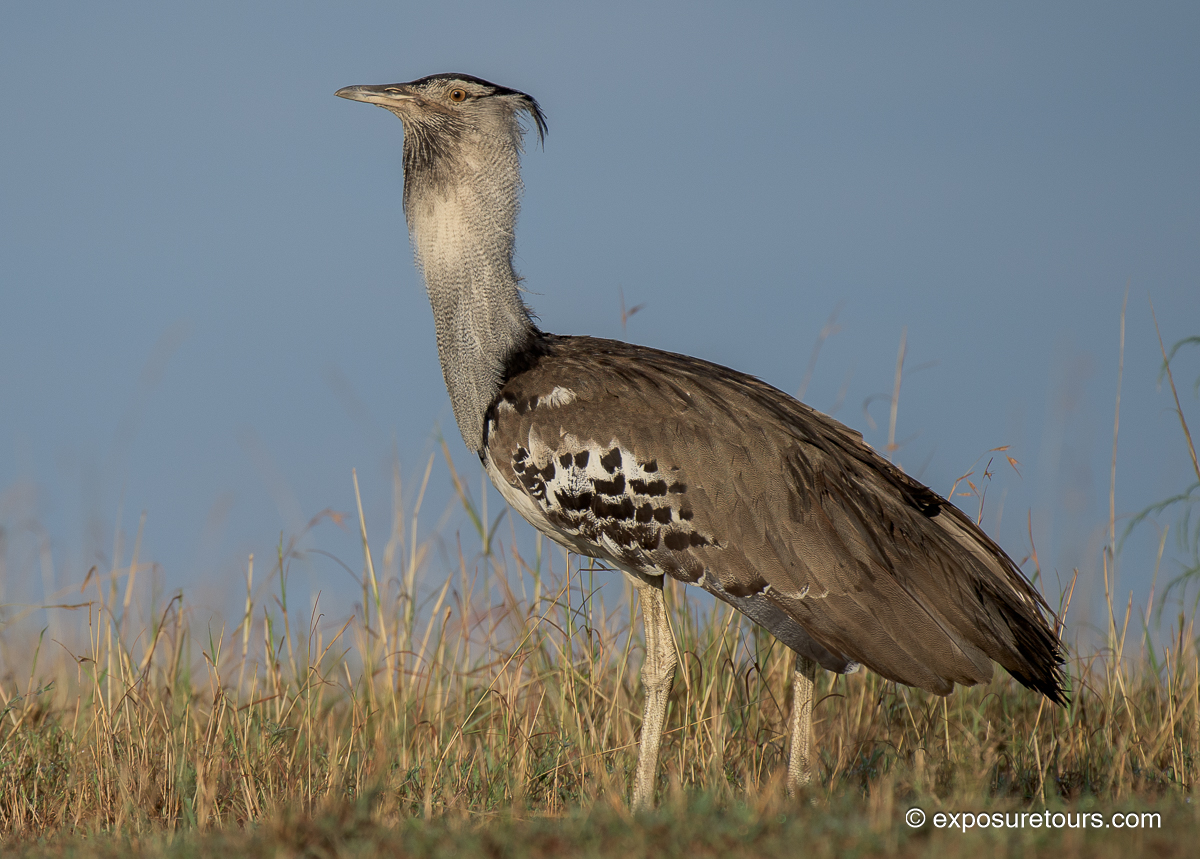
Kori Bustard
On
The Kori Bustard (Ardeotis kori) is one of Africa’s heaviest and most impressive flying birds. Naturally, it is native to the savannas and open grasslands of eastern and southern Africa, and it is instantly recognizable by its large size, mottled brown and white plumage, and striking head patterns. Adult males can reach up to 120
-
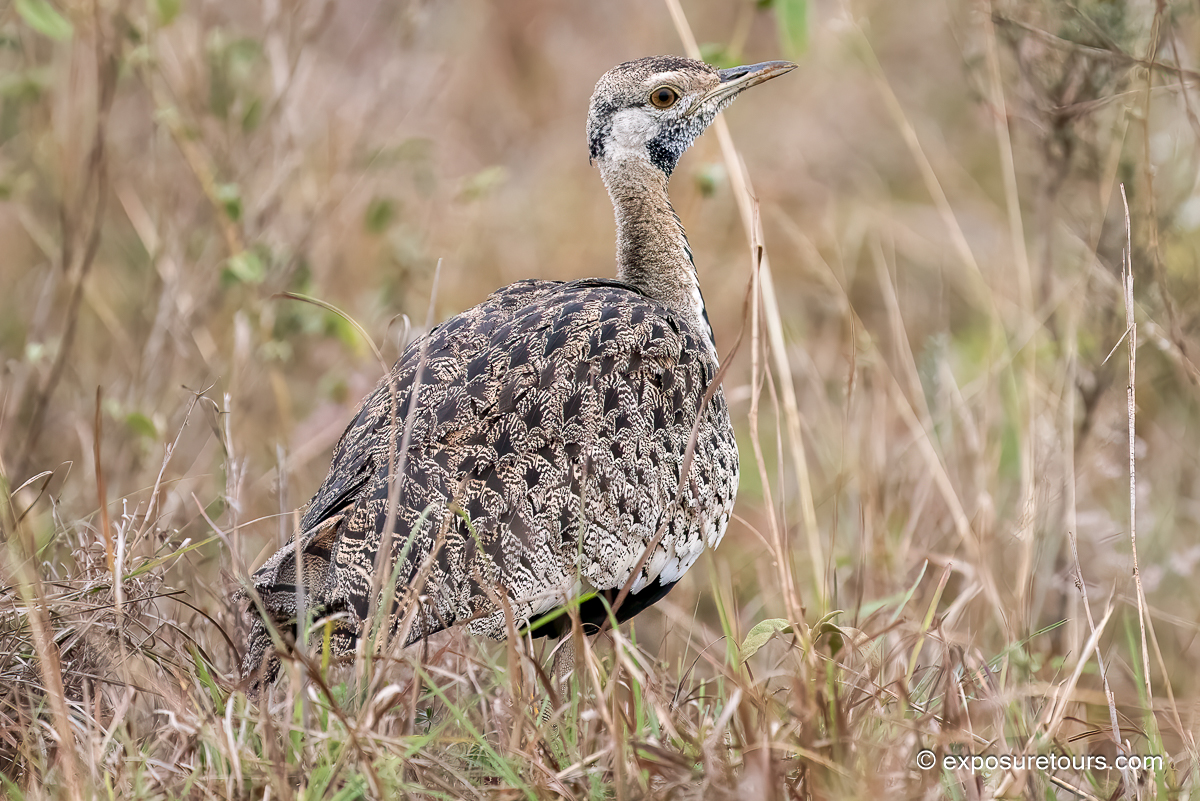
Black-bellied Bustard
On
The Black-bellied Bustard (Lissotis melanogaster) is a large and elegant bird. They are found across the open savannas and grasslands of eastern and southern Africa. It is easily recognized by its striking plumage, with a distinctive black belly and pale head. Additionally mottled brown wings provide excellent camouflage in tall grasses. Adults typically measure 70–85
-
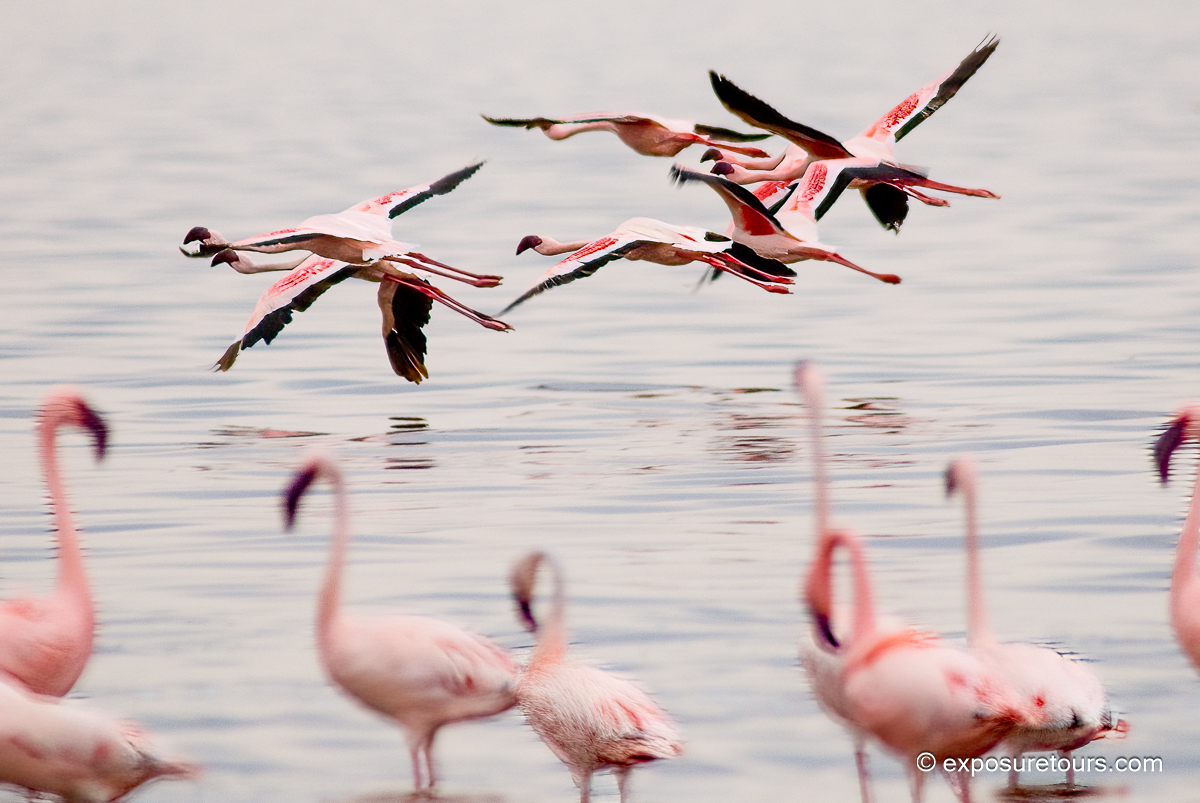
Flamingo (Lesser)
On
The Lesser Flamingo (Phoeniconaias minor) is an iconic and highly social waterbird. Commonly found across alkaline and soda lakes of eastern and southern Africa. In fact, it is the smallest of the flamingo species and is instantly recognizable by its deep pink plumage and long legs. In addition, they have a downward-curving bill adapted for
-
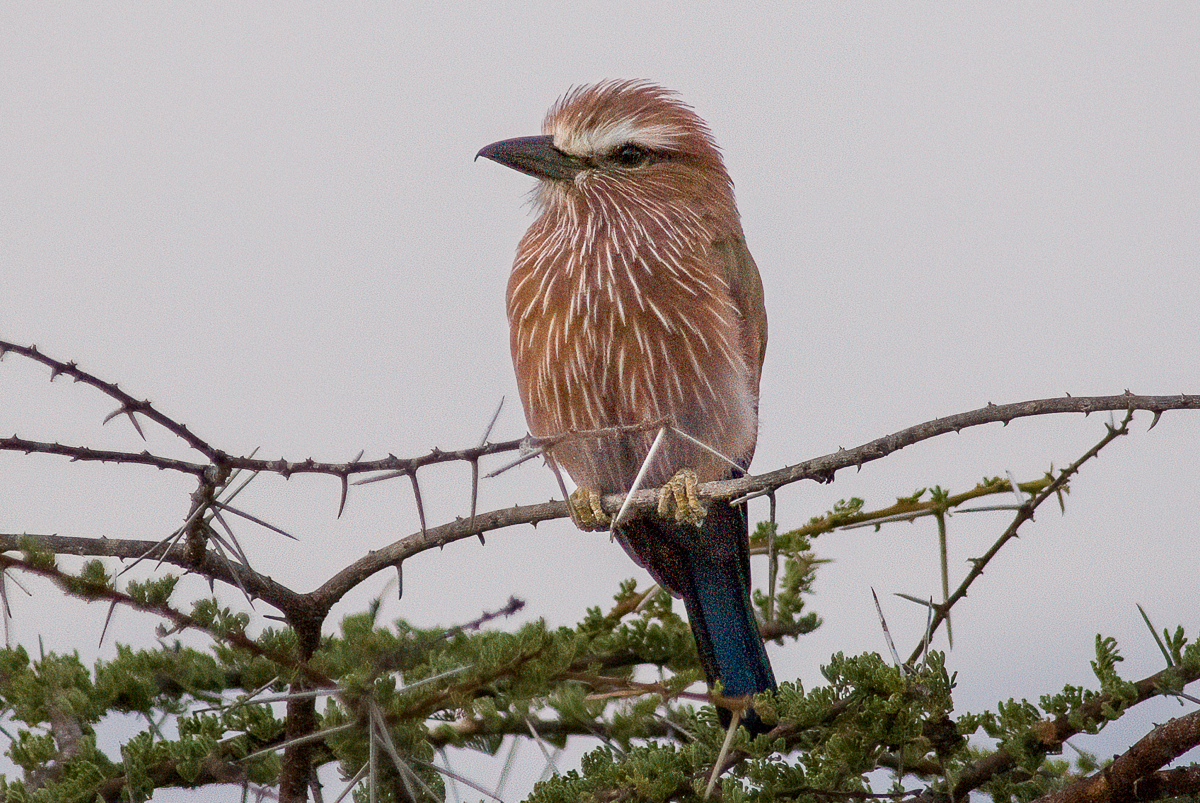
Purple Roller
On
The Purple Roller (Coracias naevius) is a striking and colorful bird of open savannas, woodlands, and lightly forested areas across sub-Saharan Africa. It is known for its vivid purple and blue plumage, contrasting with a sturdy build and strong bill. Adults typically measure 34–36 cm (13–14 in) in length and weigh around 140–180 grams. Purple
-
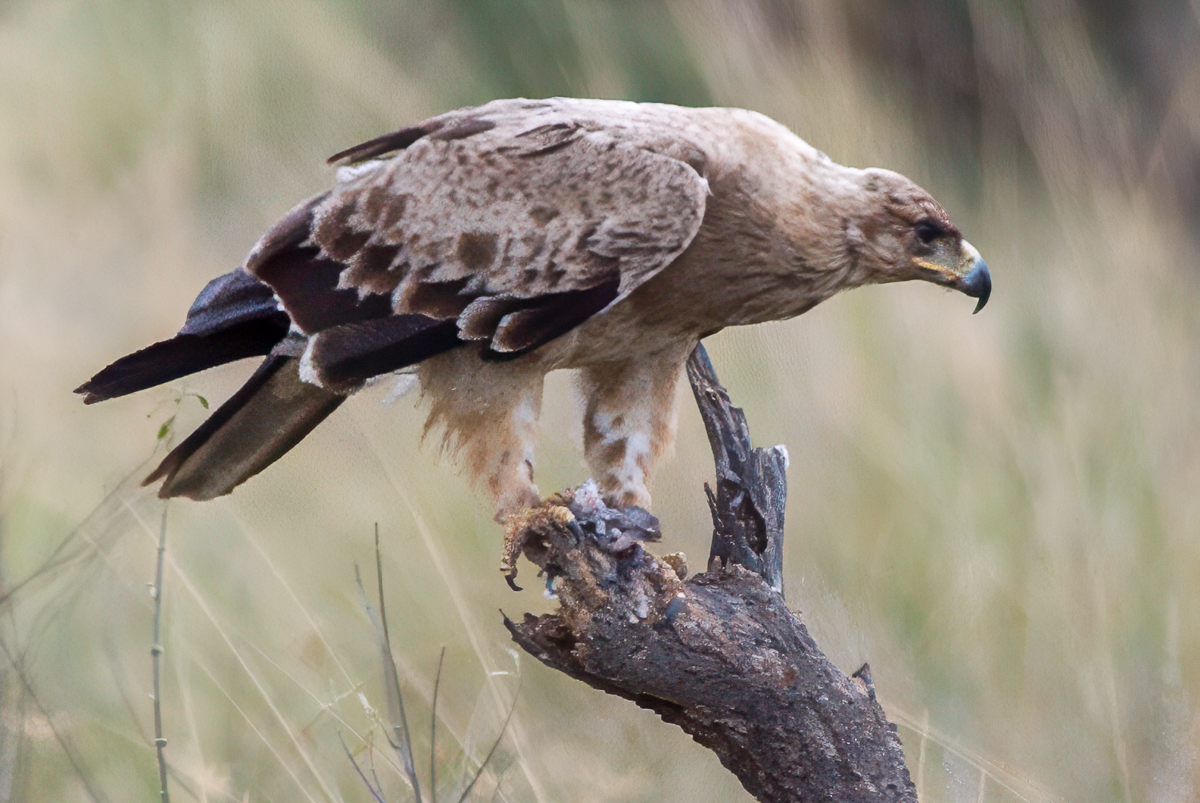
Tawny Eagle
On
The Tawny Eagle (Aquila rapax) is a powerful and adaptable bird of prey found across savannas, open woodlands, and semi-arid regions of Africa. It is a large eagle with variable plumage ranging from pale sandy brown to dark chocolate tones, often with a slightly paler head and nape. Adults typically measure 65–75 cm (26–30 in)
-
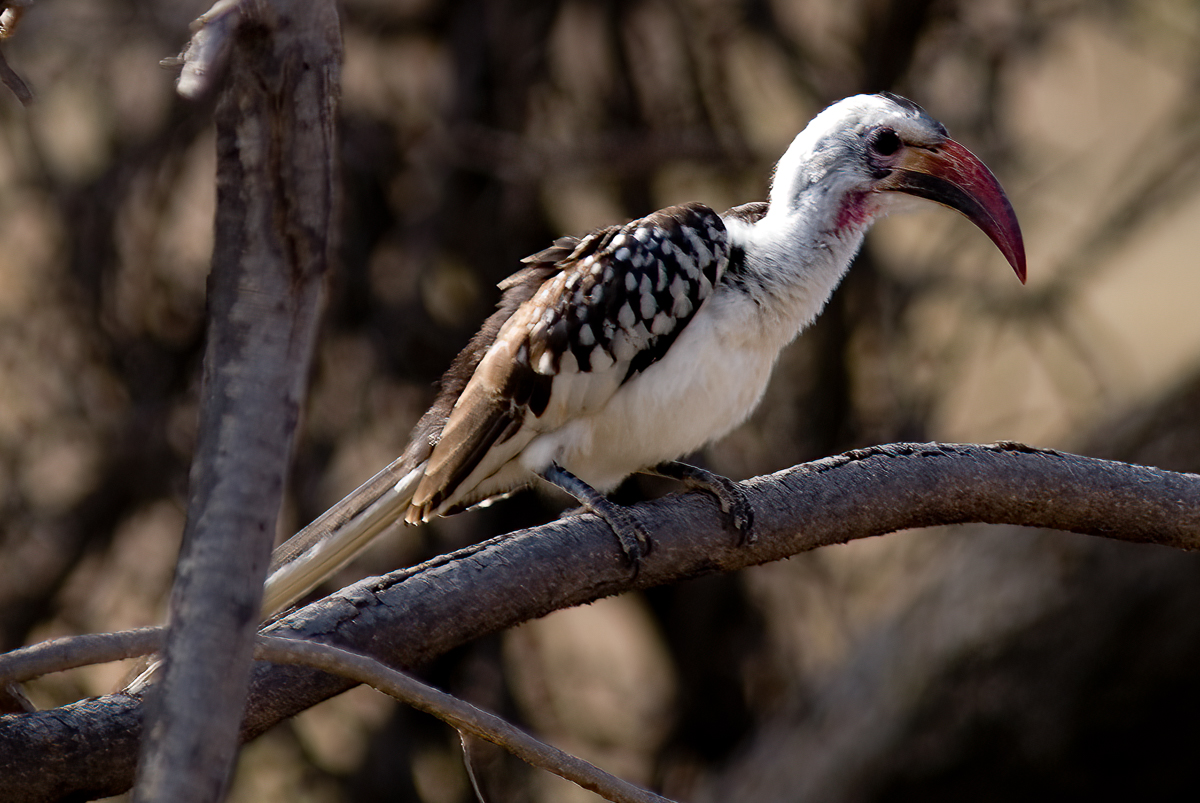
Northern Red-billed Hornbill
On
The Northern Red-billed Hornbill (Tockus erythrorhynchus) is a charismatic and familiar bird of dry savannas, woodlands, and open bush country across East Africa. It is easily recognized by its long red bill and white underparts. In addition, its bold black-and-white patterning makes it highly distinctive. As a result, this hornbill is often seen hopping along