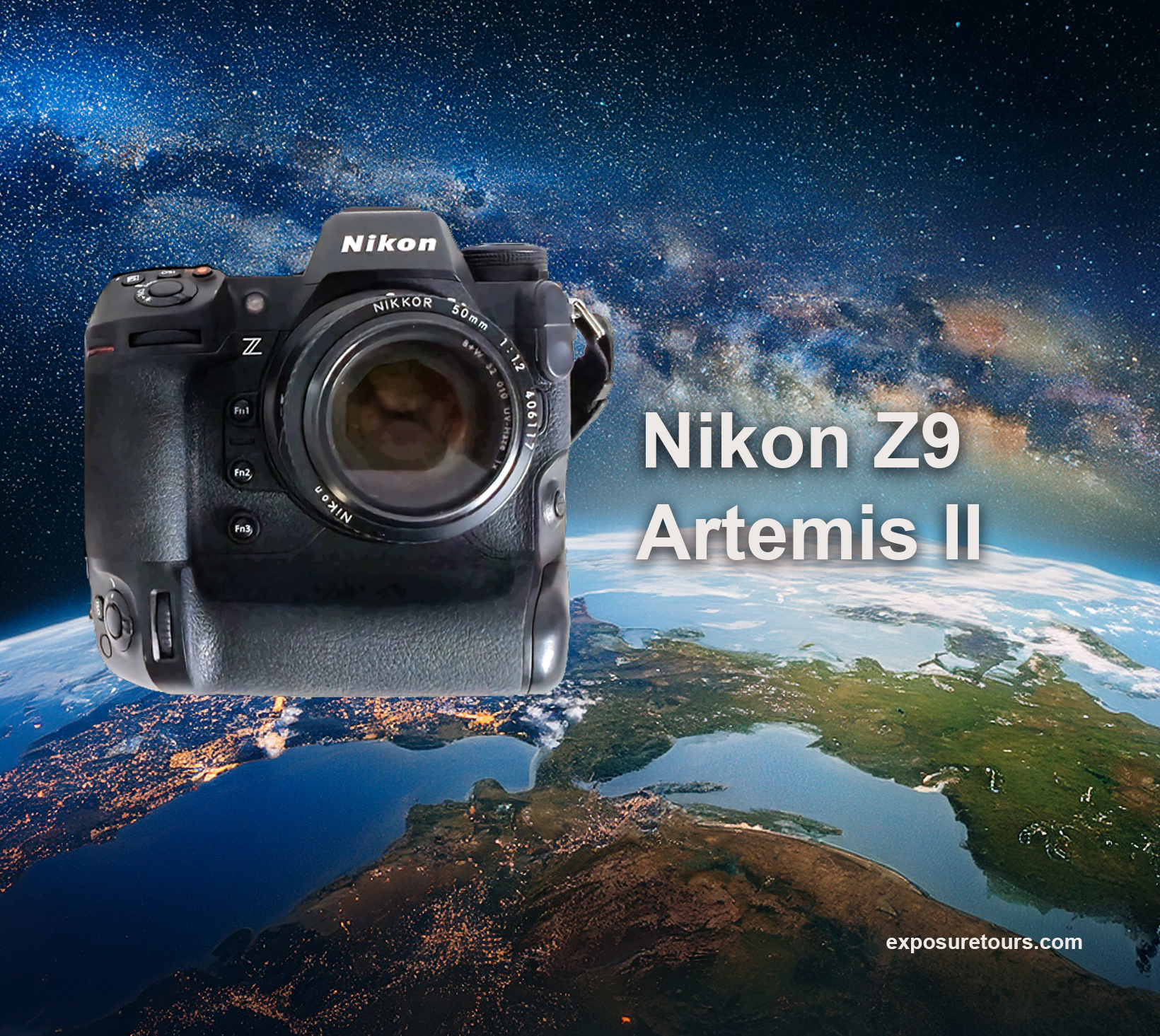
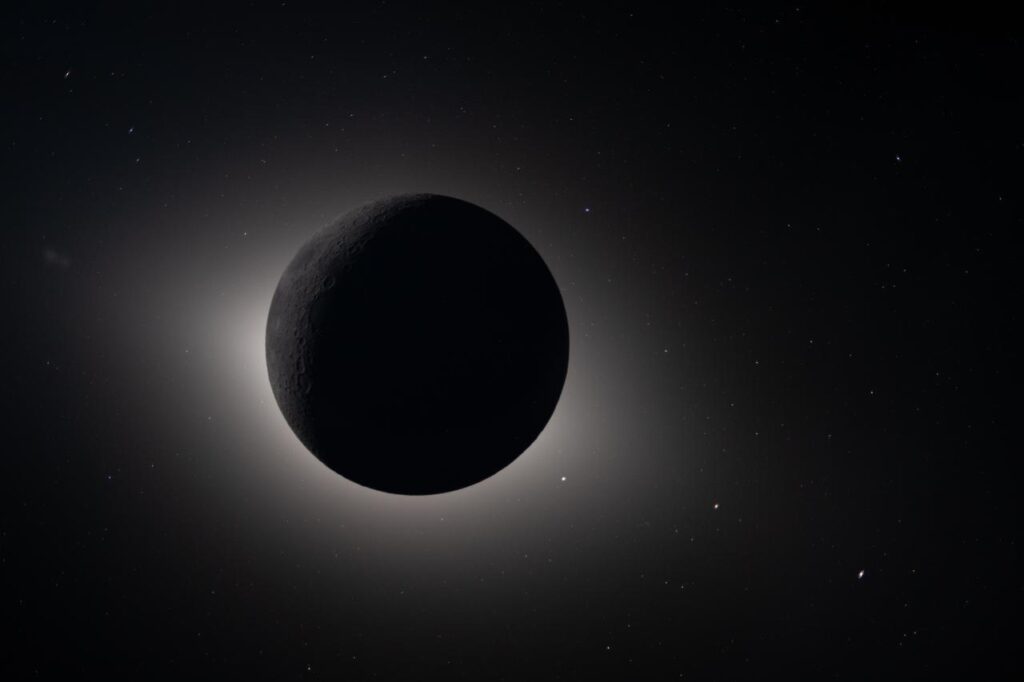
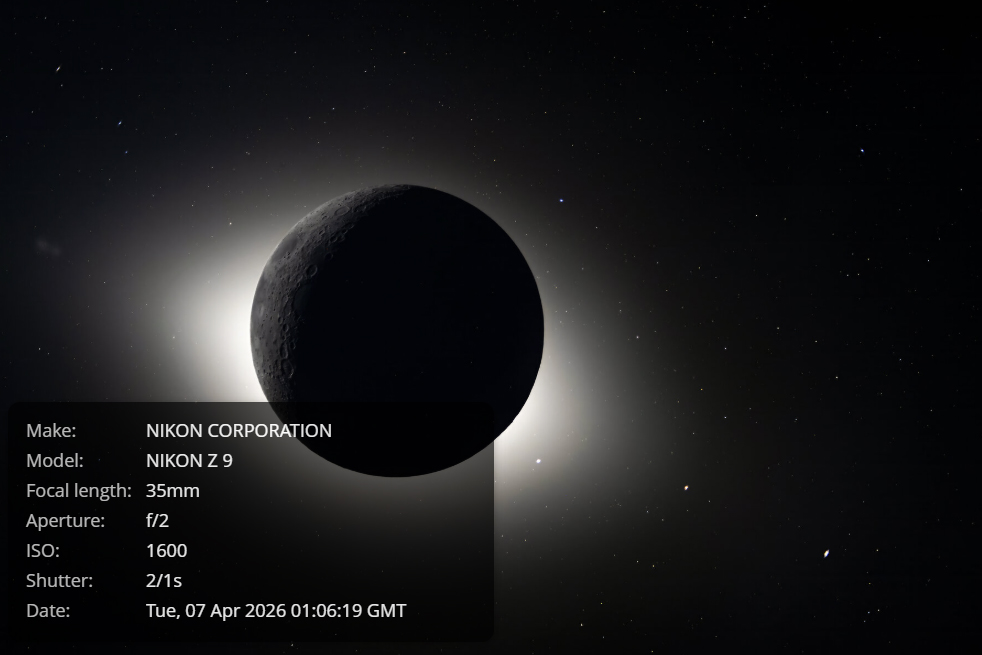
For decades, space exploration and professional photography have evolved side by side. From the mechanical precision of early film cameras to today’s high-speed mirrorless systems, imaging technology has played a critical role in documenting humanity’s most ambitious journeys. Now, that evolution is reaching a new frontier—quite literally—as the Nikon Z9 is tested for use across NASA’s Artemis missions.
A Proven Legacy: The Nikon D5 in Artemis II
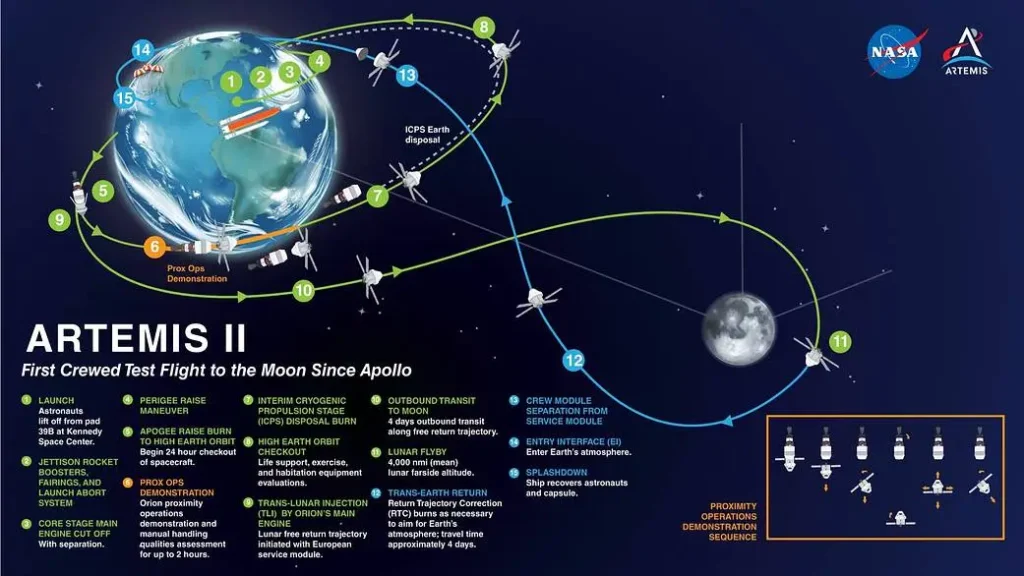
Despite the excitement surrounding mirrorless technology, NASA has taken a pragmatic approach for Artemis II. Astronauts on this first crewed lunar flyby since Apollo will rely on the battle-tested Nikon D5.
The decision comes down to one word: reliability.
The D5, introduced in 2016, remains one of the most rugged professional DSLRs ever built. Its exceptional low-light performance, long battery life, and proven durability under extreme conditions make it ideal for deep space travel. In an environment where failure is not an option—where temperature swings, radiation, and vibration can cripple sensitive electronics—NASA is prioritizing what already works.
At the same time, this choice highlights an important transitional moment. The D5 represents the culmination of DSLR engineering, but it is also a bridge to what comes next.
Testing the Future: The Nikon Z9 in Space
While the D5 handles Artemis II, the Nikon Z9 is already proving itself in orbit. Unmodified Z9 bodies have been deployed aboard the International Space Station, where astronauts are actively using them to capture Earth and conduct imaging experiments.
This testing phase is critical.
Space is unforgiving. Equipment must endure:
- Extreme temperature fluctuations
- High radiation exposure
- Fine, abrasive dust (in lunar environments)
- Operation with thick, pressurized gloves
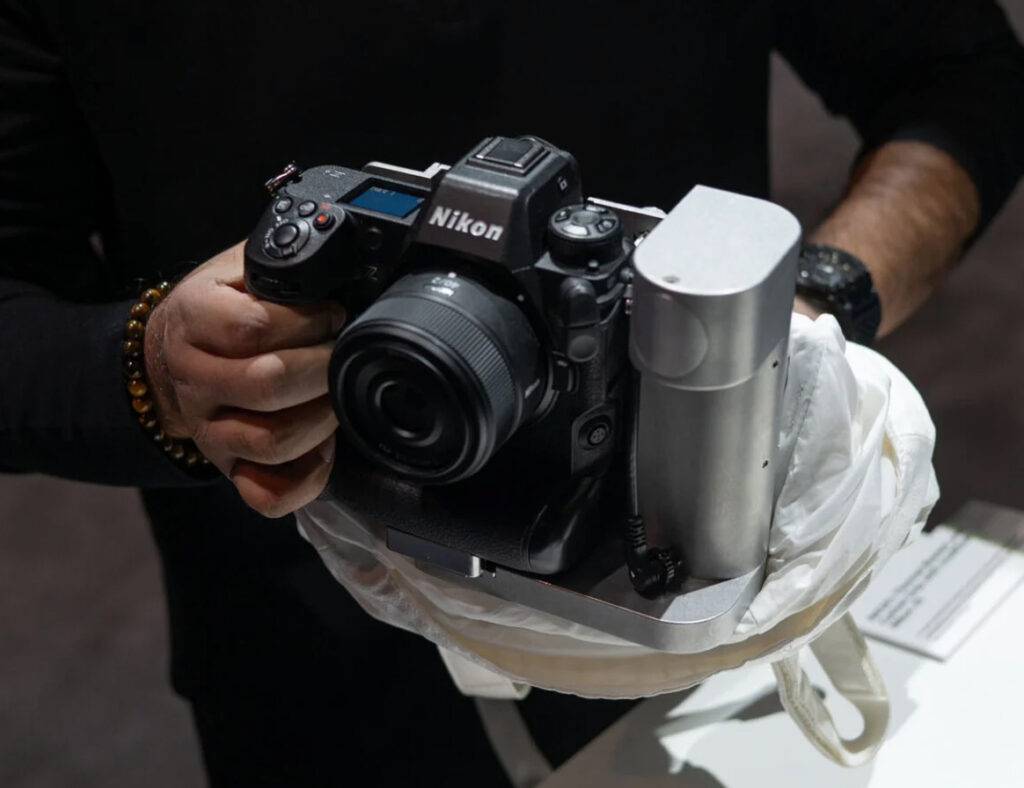
To meet these challenges, NASA and Nikon are developing a radically adapted version of the Z9 known as the Handheld Universal Lunar Camera (HULC).
Key modifications include:
- Thermal insulation blankets to regulate temperature
- Enlarged, glove-friendly controls
- Radiation-hardened electronics
- Simplified firmware and operational workflows
This is not just a camera upgrade—it’s a complete rethinking of how photographers will work beyond Earth.
Artemis III: The Z9 Heads to the Moon
Everything points toward a major milestone with Artemis III.
Scheduled to return humans to the Moon for the first time in over 50 years, Artemis III will see astronauts equipped with a modified Z9 as their primary handheld imaging system.
This marks several historic firsts:
- The first mirrorless camera used on the lunar surface
- A shift away from traditional DSLR systems in space
- A new generation of high-resolution, high-speed imaging beyond Earth
Built around a 45.7MP stacked sensor and powered by Nikon’s EXPEED 7 processor, the Z9 brings capabilities that were unimaginable during the Apollo era—8K video, blackout-free shooting, and advanced subject detection.
But perhaps more importantly, it represents a philosophical shift.
Mirrorless systems eliminate the mechanical shutter, reducing points of failure—a crucial advantage in dusty, low-gravity environments like the Moon. The Z9’s design inherently aligns with the demands of extraterrestrial photography.
From Safari to Space: A Photographer’s Perspective
For those accustomed to shooting in extreme environments—whether it’s the dust and heat of the Maasai Mara or the unpredictability of wildlife behavior—the parallels are striking.
Space, like the African bush, punishes hesitation and rewards preparation.
The same qualities that make the Z9 exceptional for wildlife photography—speed, silent shooting, robust build, and intelligent autofocus—are the very reasons it’s being trusted for humanity’s return to the Moon. The difference is simply the scale of consequence.
Conclusion: A Turning Point in Imaging
The story of the Nikon Z9 across Artemis II and III is more than a tale of two cameras.
- The Nikon D5 represents reliability, heritage, and proven performance.
- The Z9 represents innovation, adaptation, and the future.
Artemis II will rely on what has already been mastered.
Artemis III will embrace what is next.
And somewhere between those two missions lies a pivotal moment—not just for space exploration, but for photography itself.