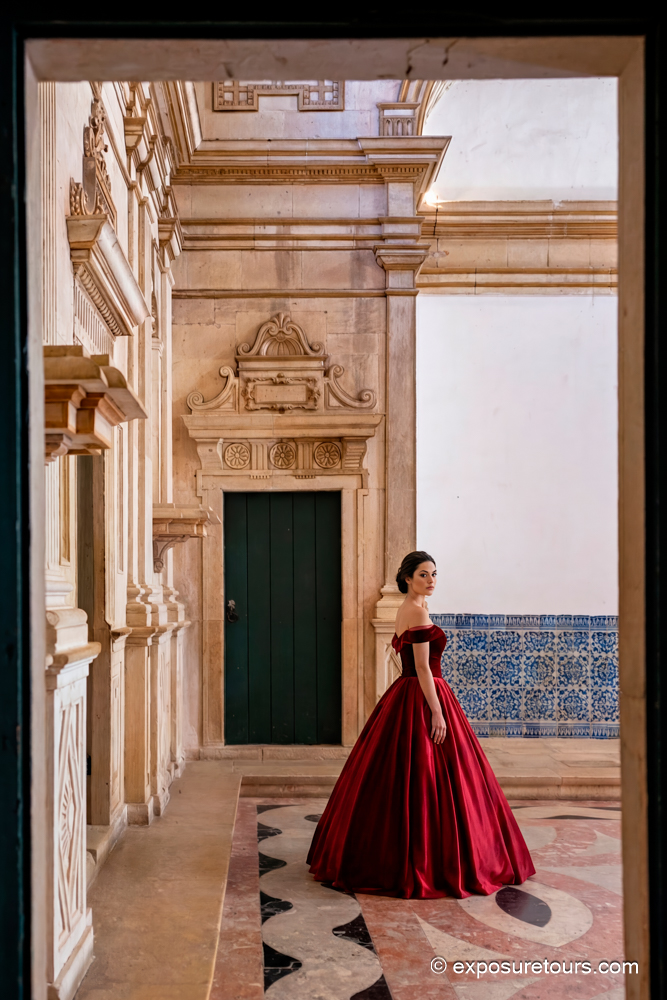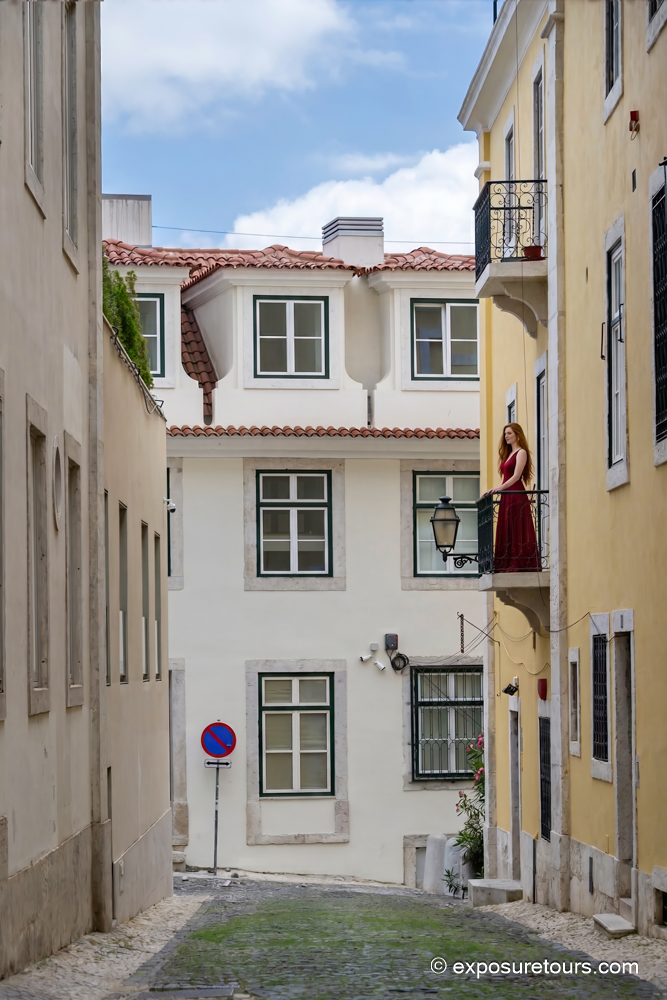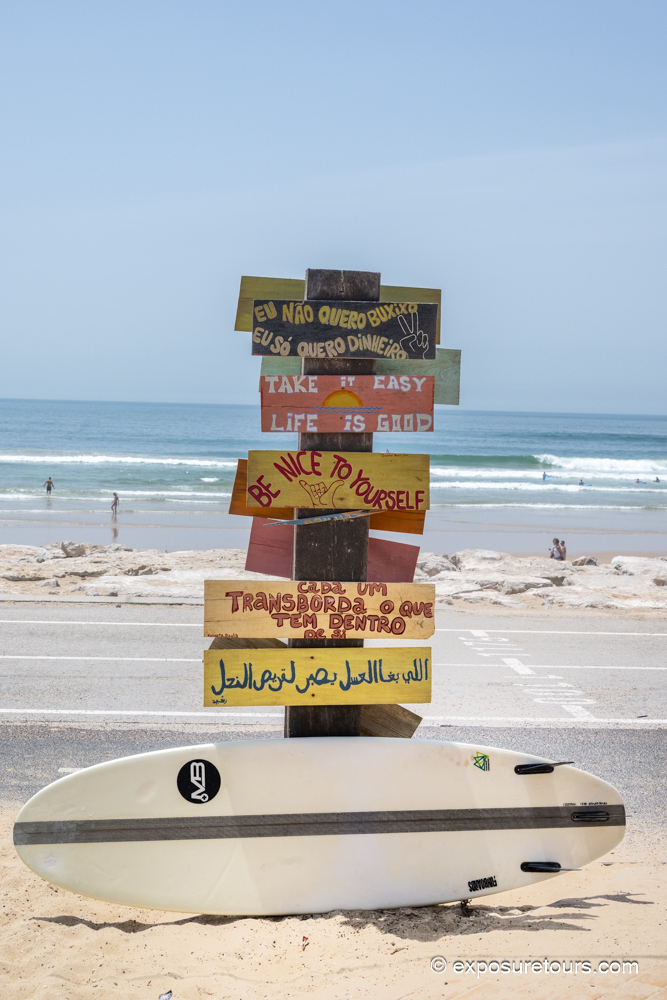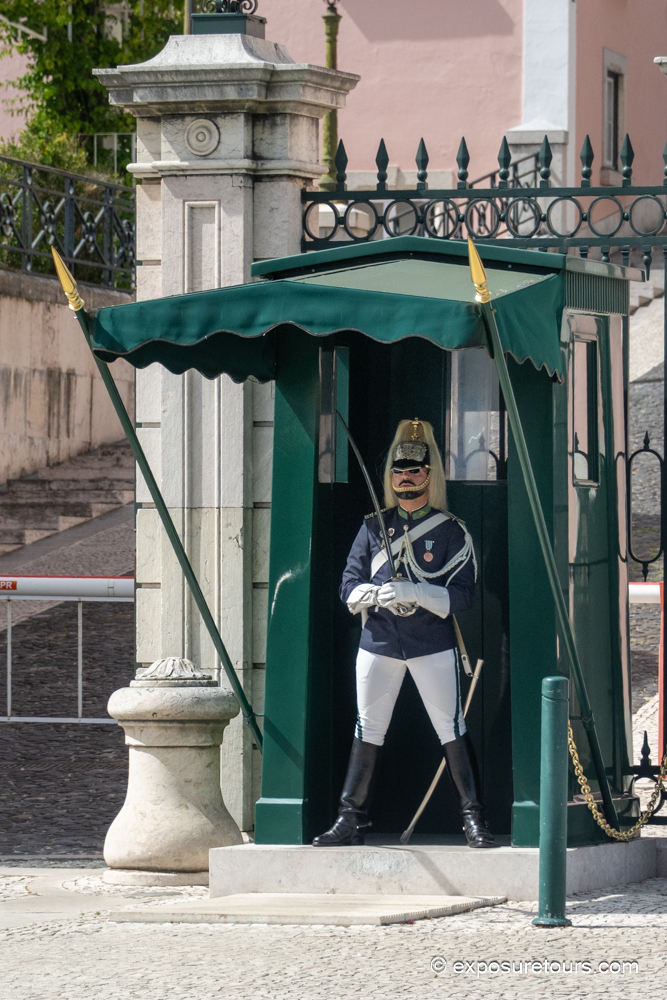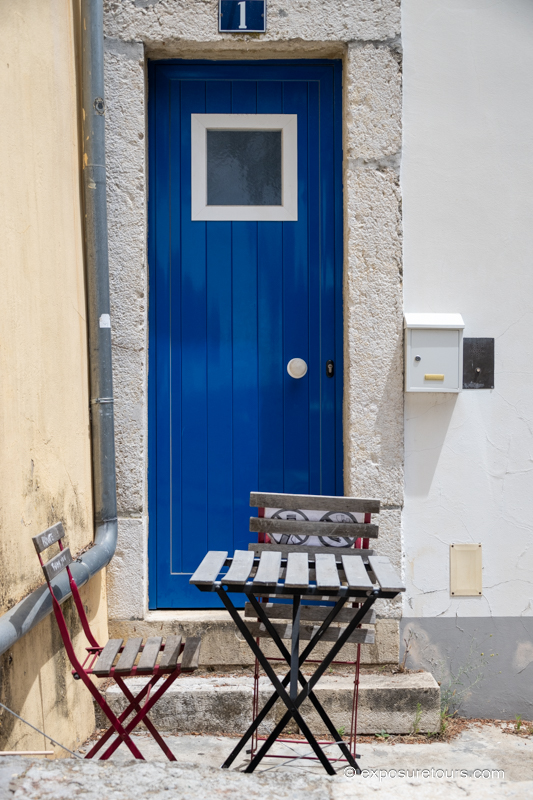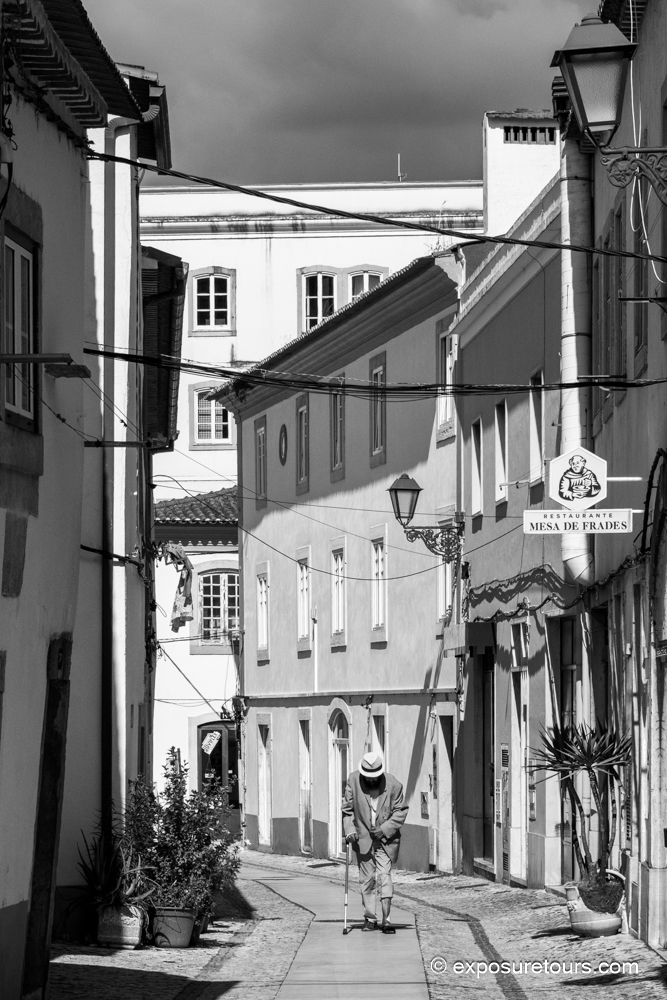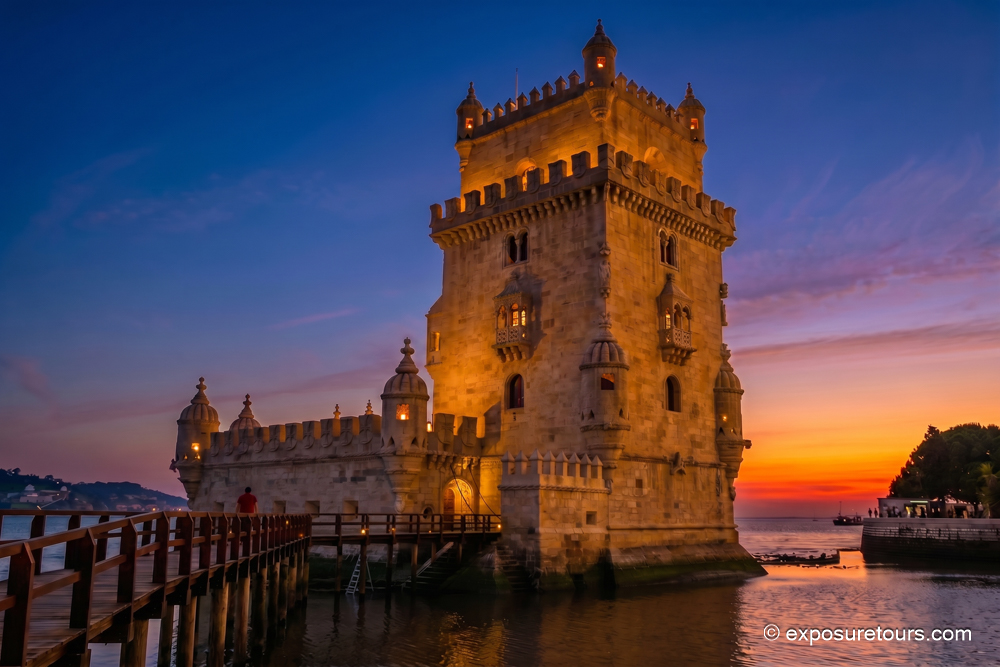
Despite having a Portuguese surname, it had been more than 40 years since my last visit to Portugal. As a professional photographer, European cities have always appealed to me. Their cobbled streets, centuries-old architecture, colourful neighbourhoods, and vibrant café culture provide endless opportunities to capture authentic moments.
This trip would be different. Instead of rushing through the highlights, I planned to spend five days exploring Lisbon, with a couple of excursions beyond the city. My goal wasn’t simply to tick off tourist attractions, but to experience Lisbon through the eyes of a photographer.
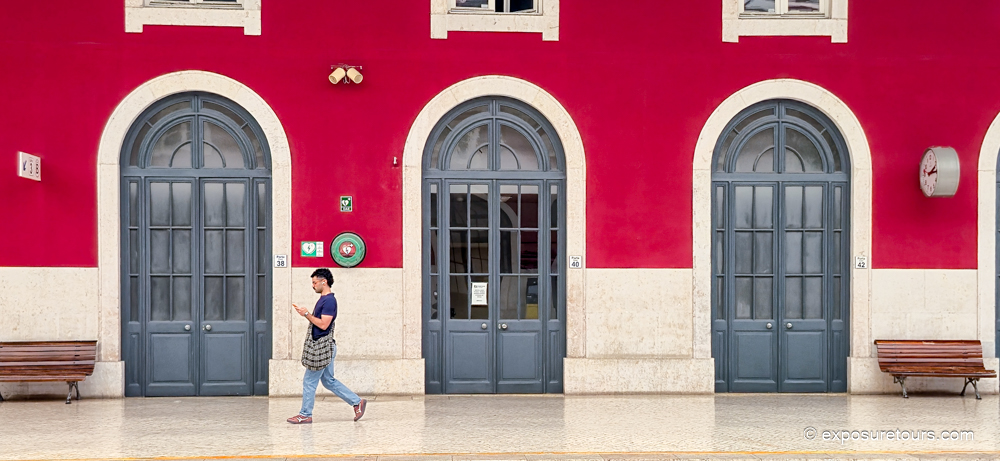
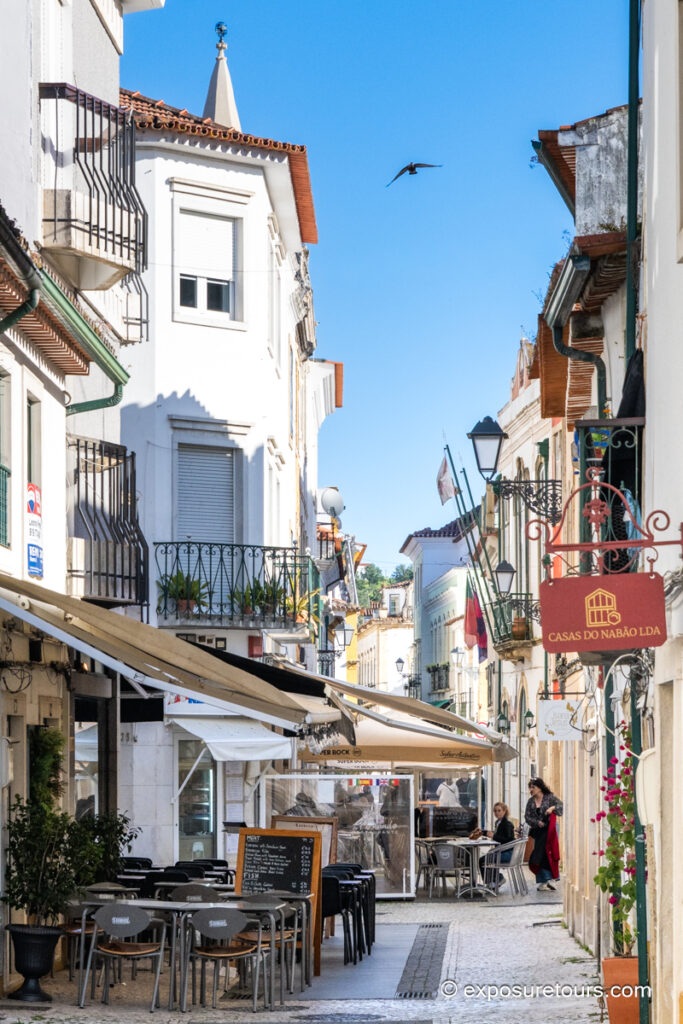
Arriving in Lisbon
I flew direct from Toronto on Air Canada’s overnight service, arriving in Lisbon mid-morning. If you’re travelling from Canada, the UK or the United States, the arrival process is straightforward, although there is one small detail worth knowing.
Unlike European Union passport holders, who can proceed directly to the automated immigration gates, visitors from Canada, the UK and the U.S. must first validate their passport at a separate kiosk. Once completed, you’ll receive confirmation on the screen rather than a printed receipt. Simply let one of the attendants know you’ve finished and they’ll direct you to the automated gates. The airport staff all spoke excellent English and the entire process took only a few minutes.
Travel Tip
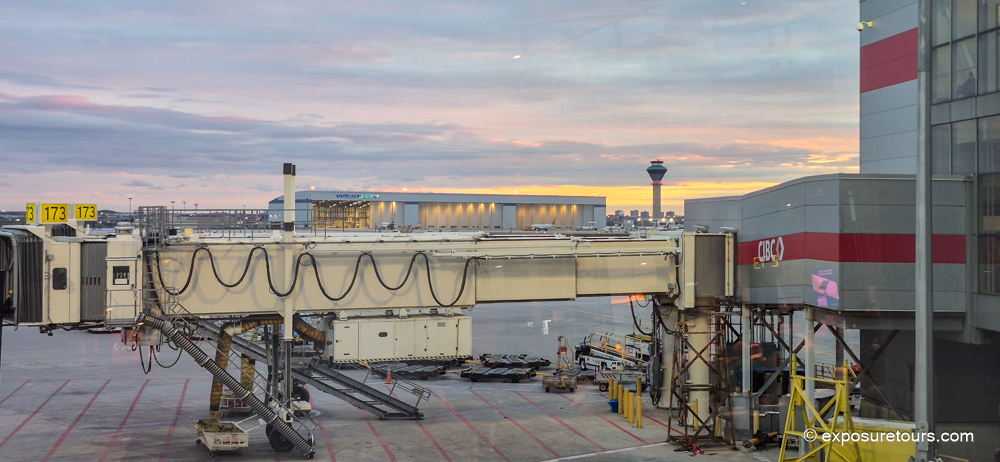
Don’t be surprised if your aircraft parks away from the terminal. Many arriving passengers are transported by shuttle bus rather than using an air bridge. If you’re travelling with camera equipment, a comfortable backpack is much easier to manage than dragging a rolling suitcase up and down steps.
Getting from Lisbon Airport
Finding the Uber pickup area was simple thanks to excellent signage, but the sheer number of passengers waiting was unexpected. Although vehicles arrived continuously, I still waited around 45 minutes. The delay wasn’t due to a shortage of drivers—it was caused by the single access road feeding the pickup area.
Travel Tip
Rather than standing in the middle of the crowd, walk further along the pickup zone. It won’t shorten your wait, but it makes it much easier for your driver to spot you and pull over safely.
Where to Stay in Lisbon
Since I wanted to experience different sides of the city, I split my stay between two neighbourhoods.
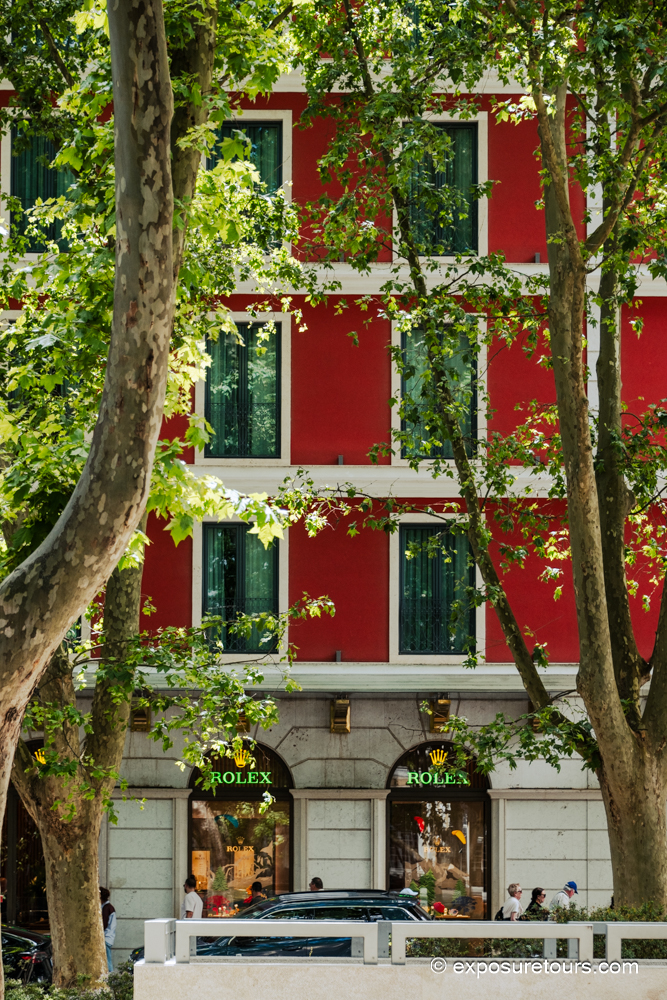
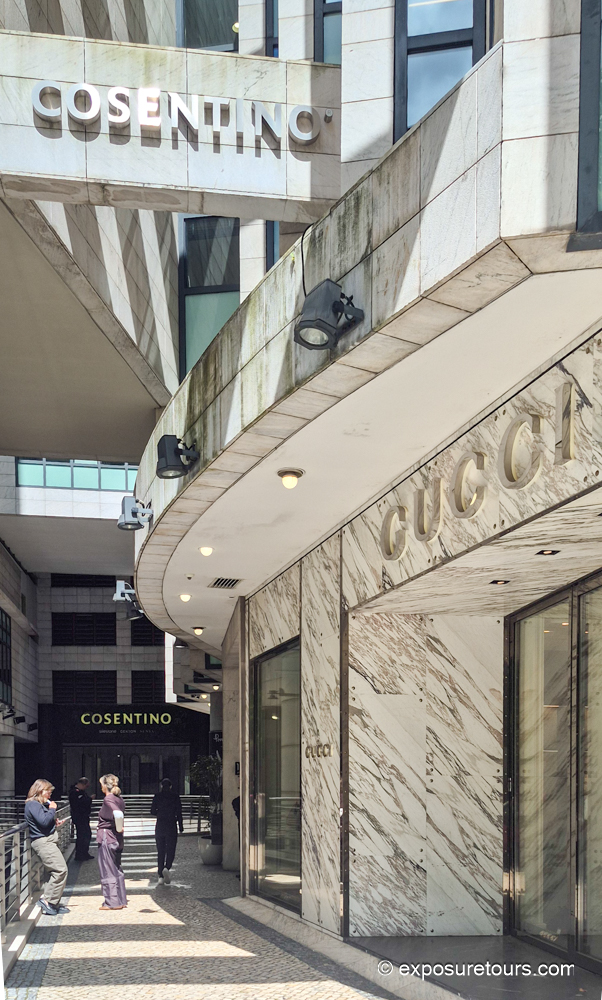
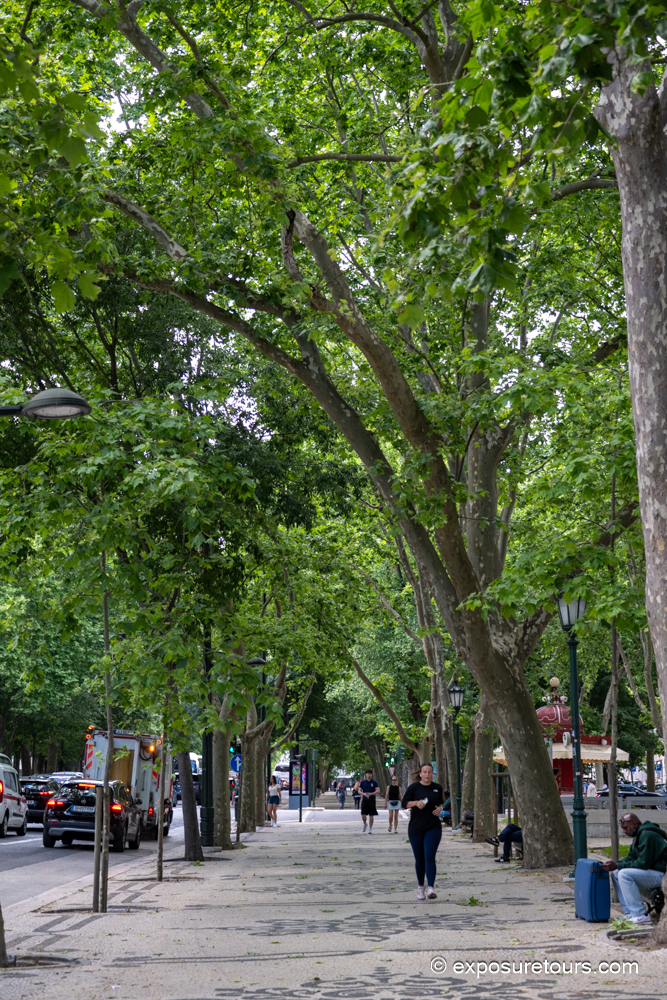
My first hotel was located along Avenida da Liberdade, Lisbon’s elegant boulevard lined with mature trees, outdoor cafés, boutique hotels and luxury brands including Gucci, Prada, Louis Vuitton and Cartier. It feels surprisingly Parisian while remaining only a short walk from Lisbon’s historic centre.
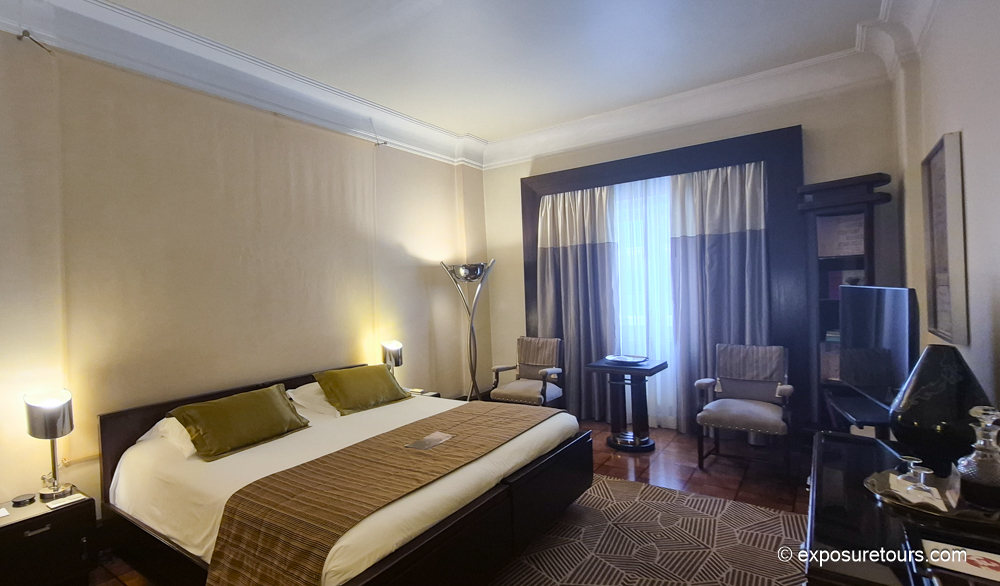
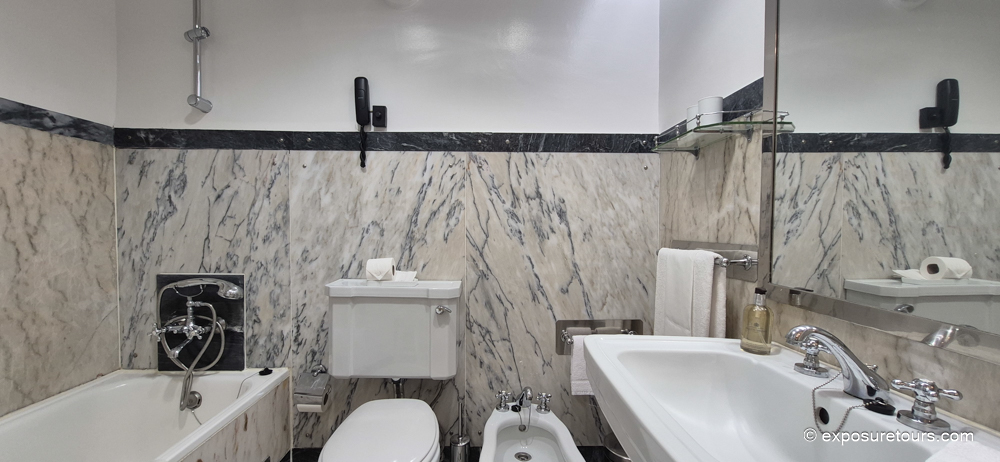
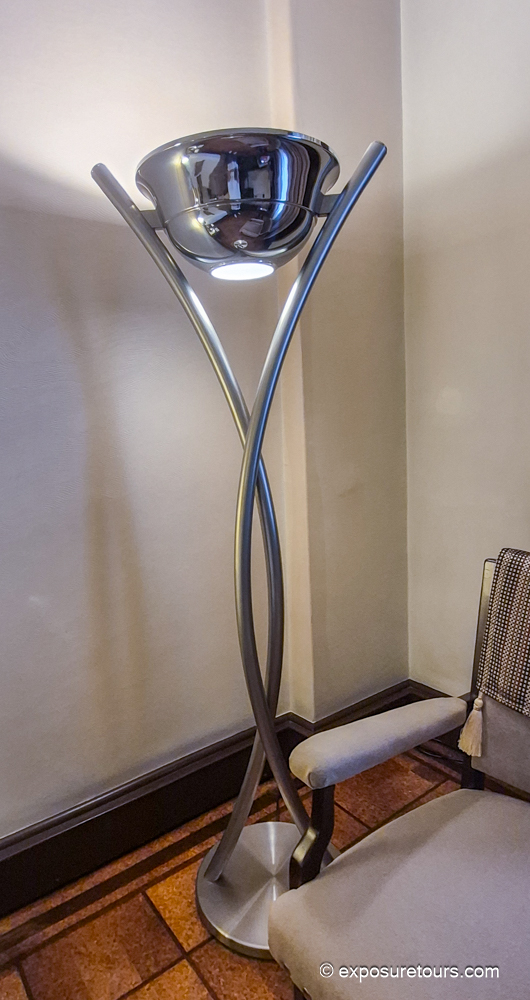
I stayed at the charming Hotel Britania, Lisbon’s oldest Art Deco hotel. More than 75 years after opening, it retains much of its original character, from polished wood interiors to beautifully preserved period furnishings.
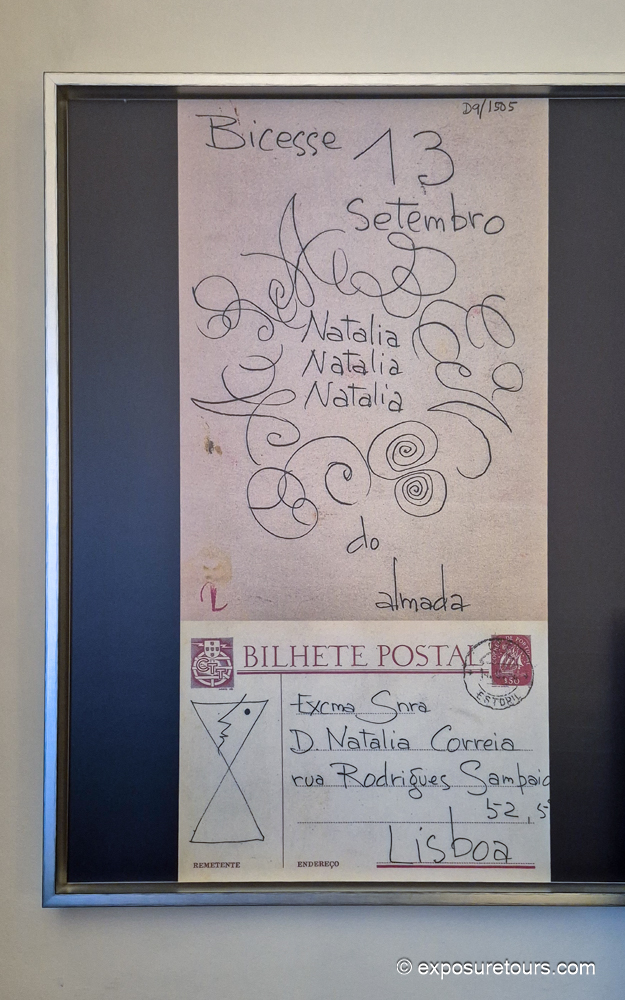
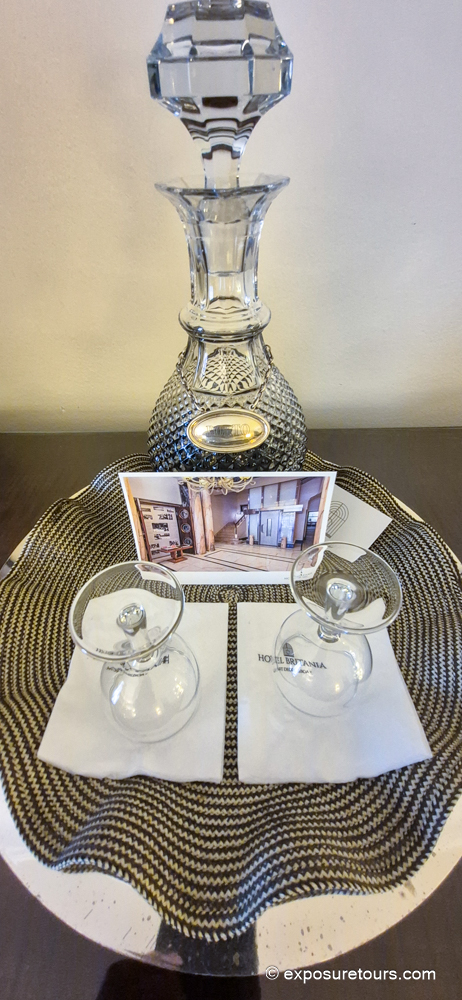
My room, named Natália, honours celebrated Portuguese poet, writer and politician Natália Correia. Details like this give the hotel genuine personality and make it feel connected to Lisbon’s rich cultural history.
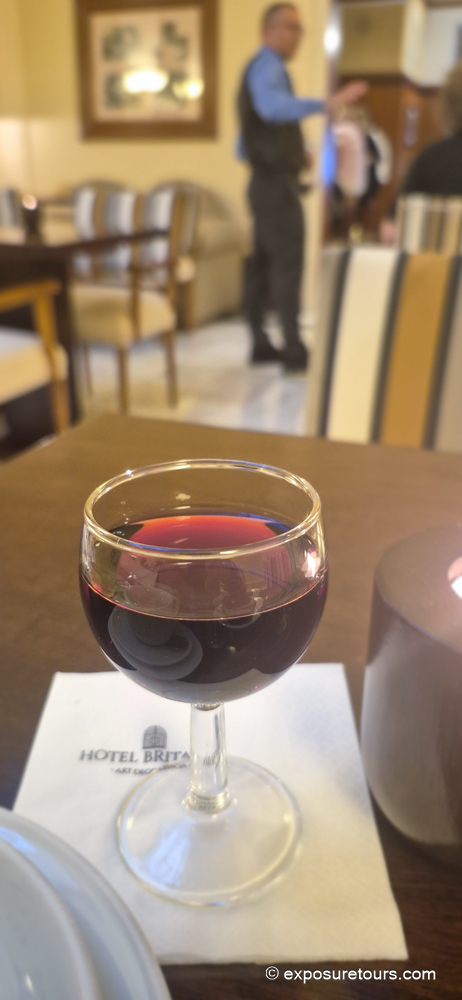
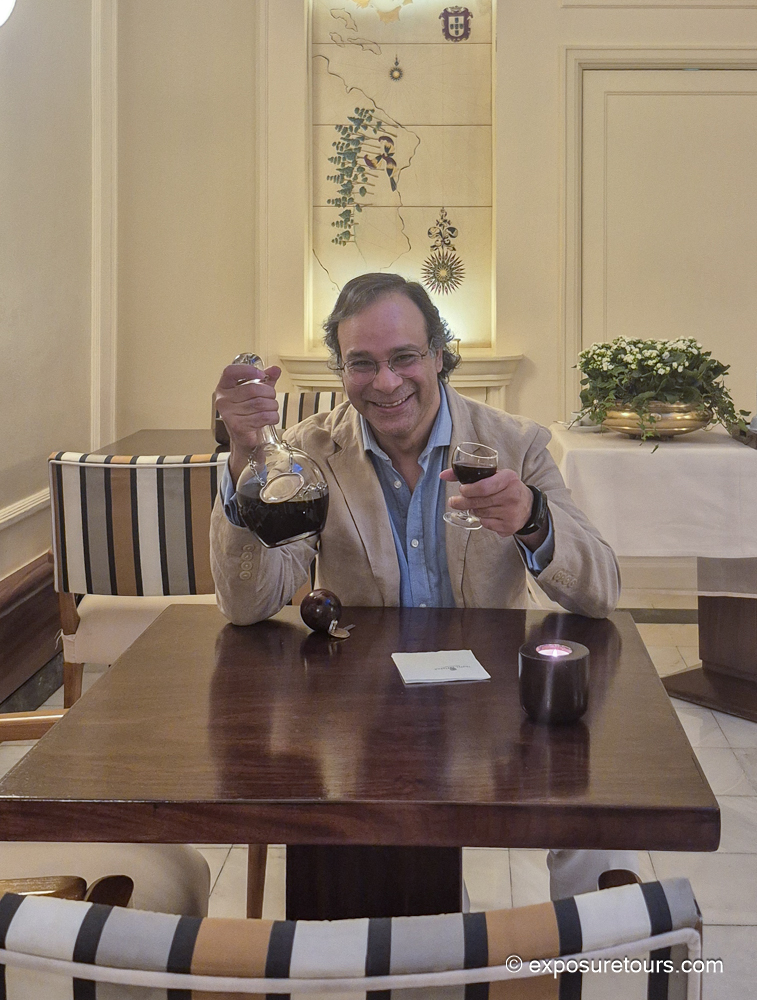
One unexpected bonus was the complimentary Port wine available throughout the day. As someone who had never been much of a Port drinker before arriving, I quickly found myself looking forward to a glass each evening.
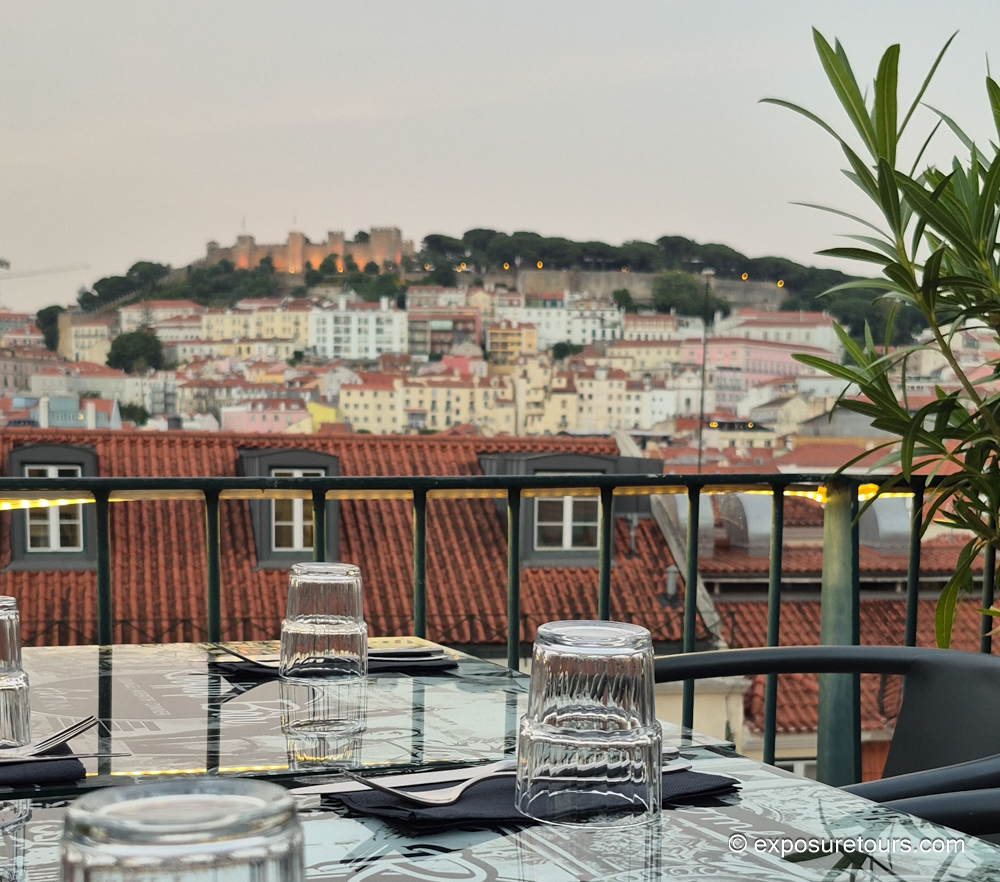
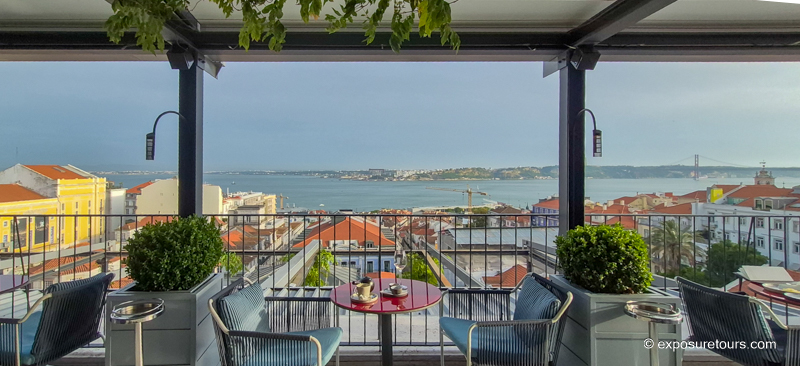
My last few days were spent at The Art Inn. A mid priced comfortable hotel located in the heart of the city with its own lively rooftop bar/restaurant
Day 1 – Discovering Lisbon on Foot
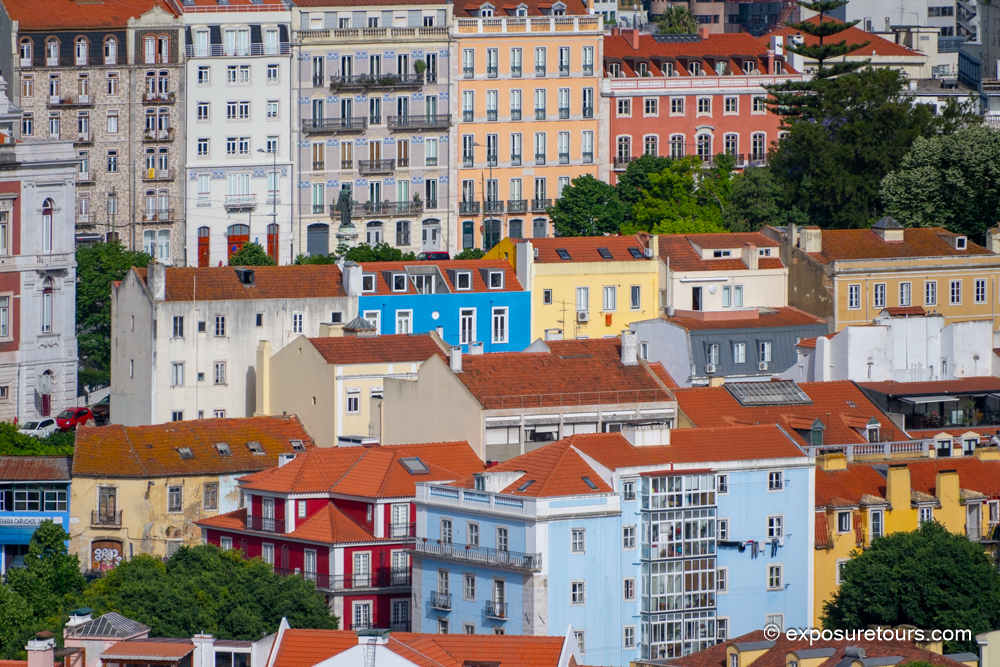
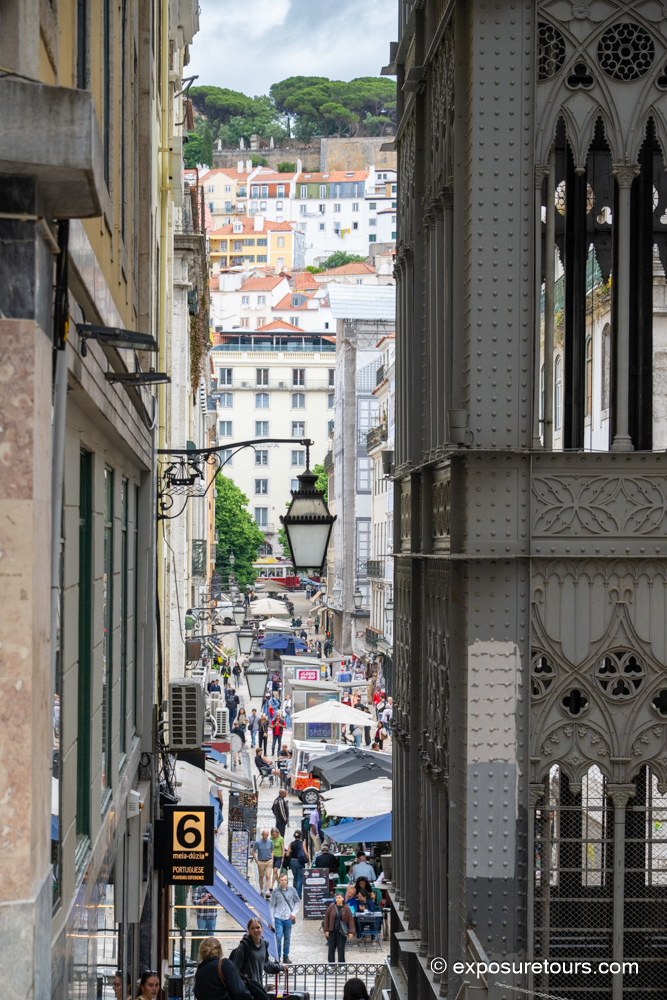
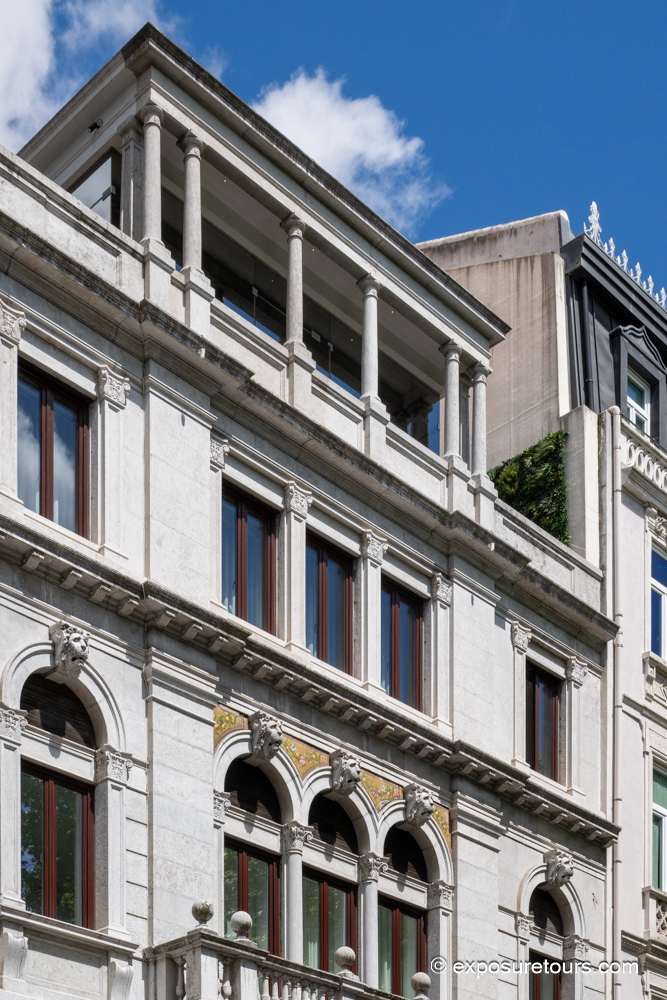
After dropping off my luggage, I resisted the temptation to follow a map.
Instead, I simply wandered.
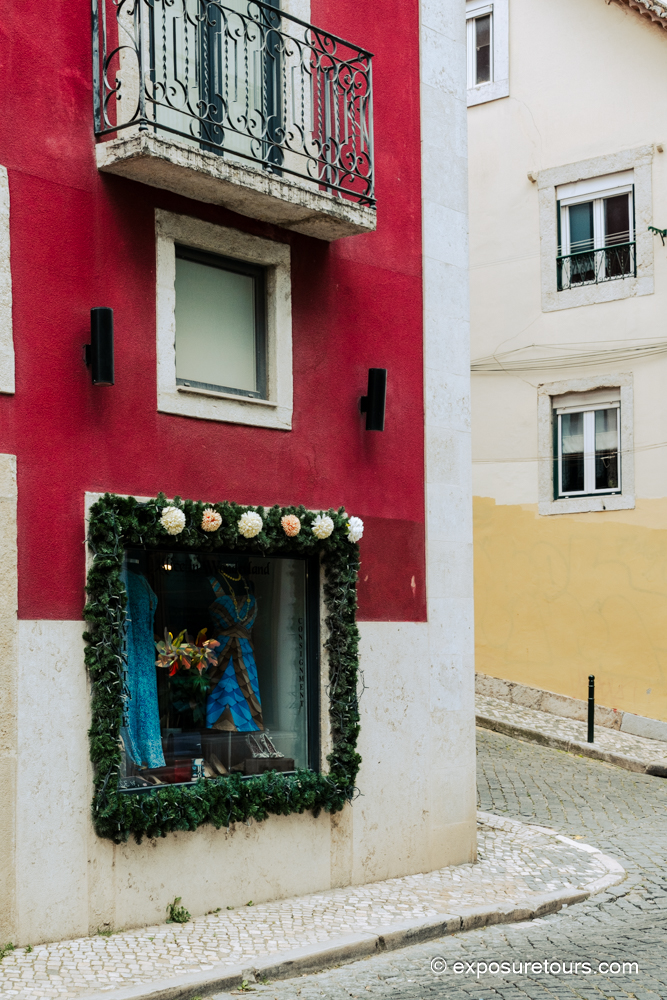
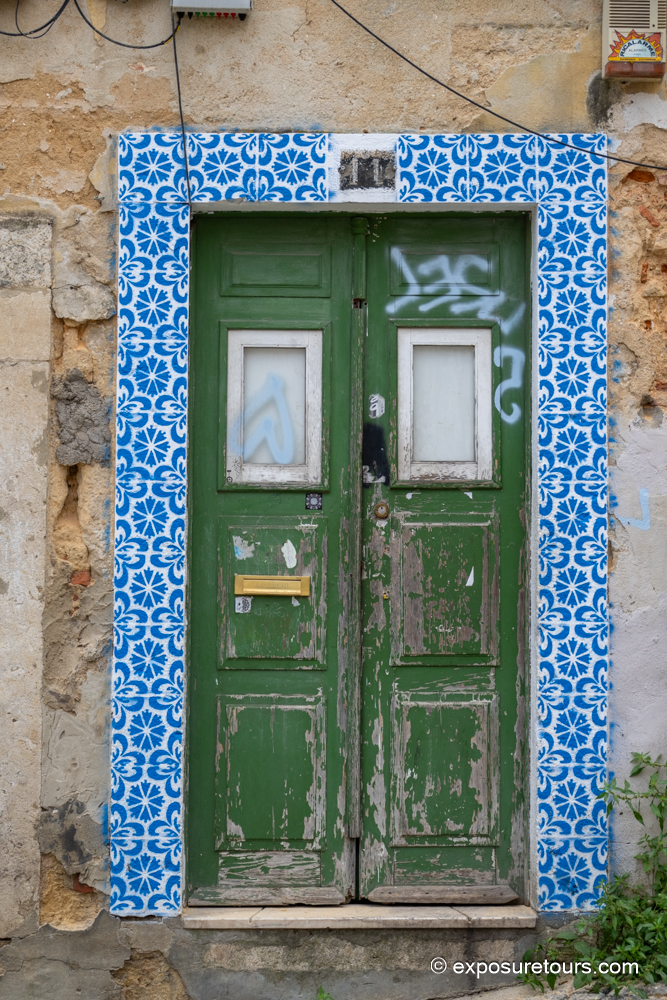
That’s one of Lisbon’s greatest strengths. Around almost every corner you’ll discover colourful tiled façades, historic trams climbing impossibly steep hills, hidden courtyards and cafés where locals gather over coffee.
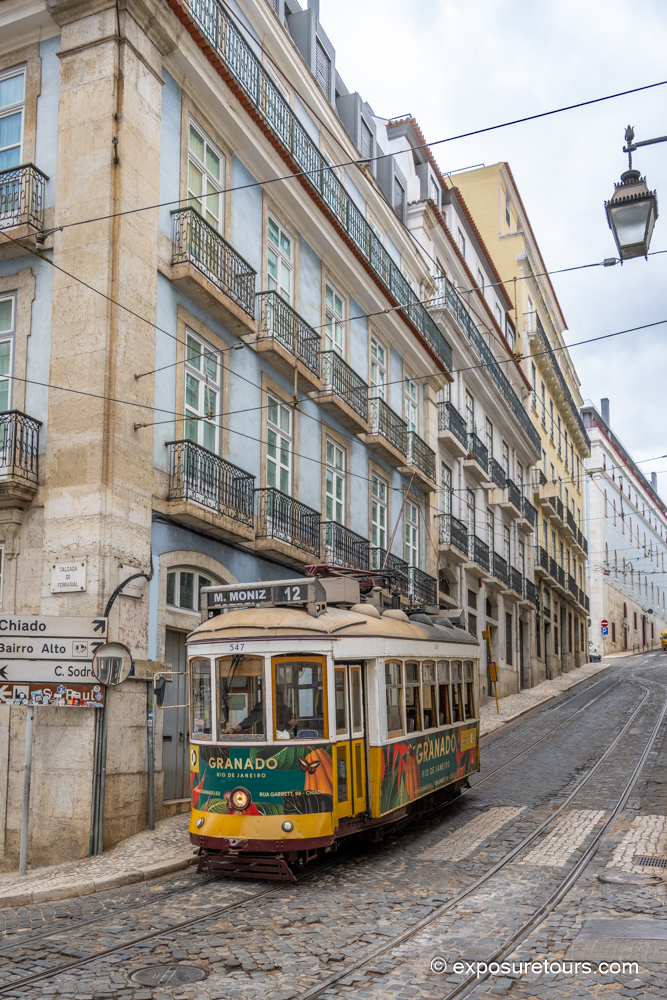
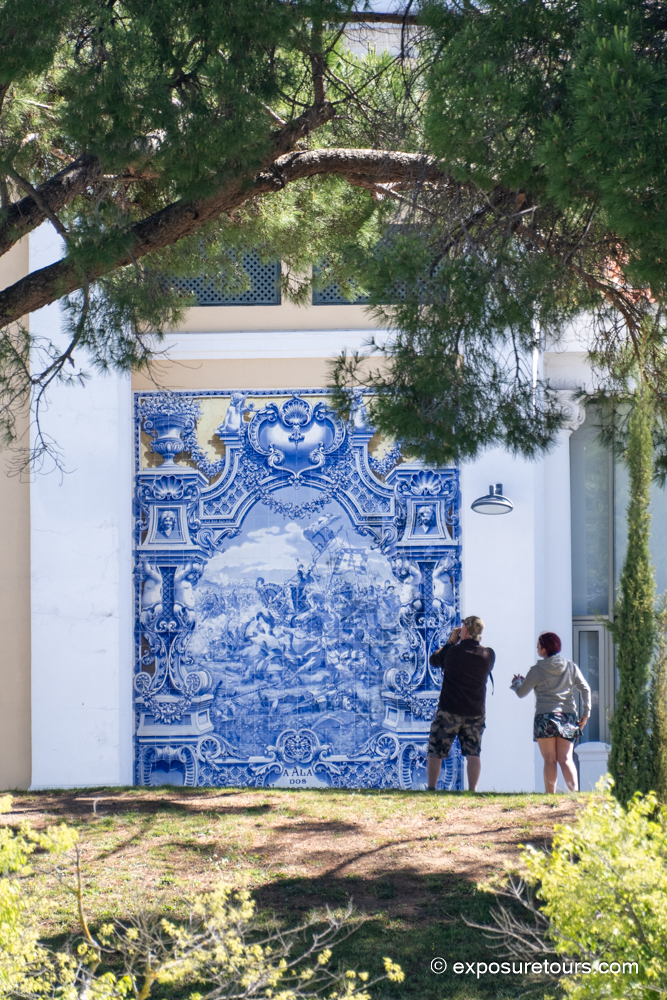
Photography Tip
The best photographs often come when you put the camera down for a while. Spend time observing how locals interact with the city before looking for compositions. Lisbon rewards patience.
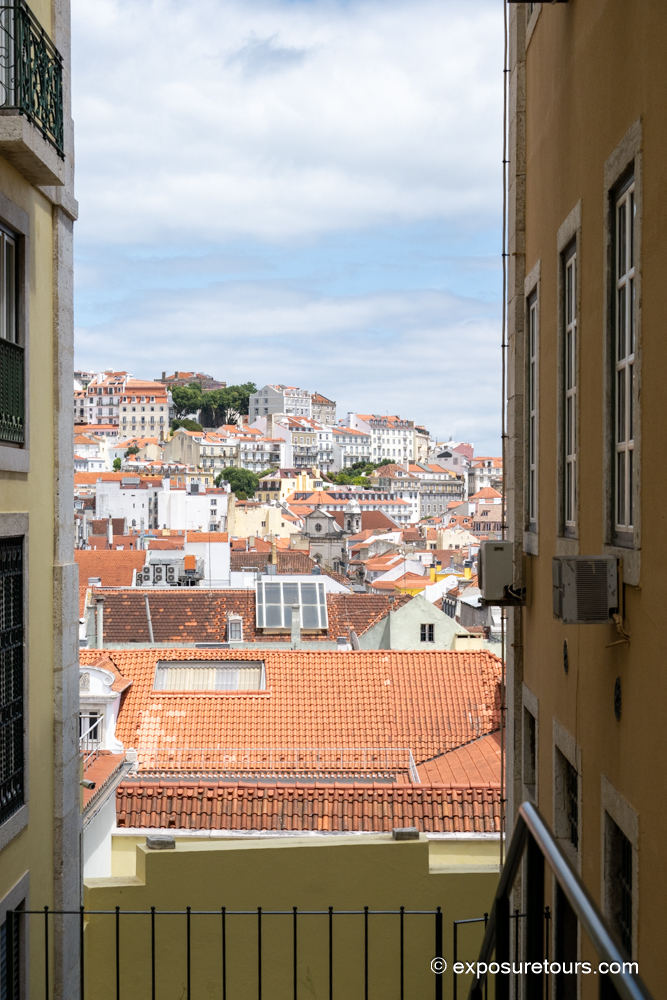
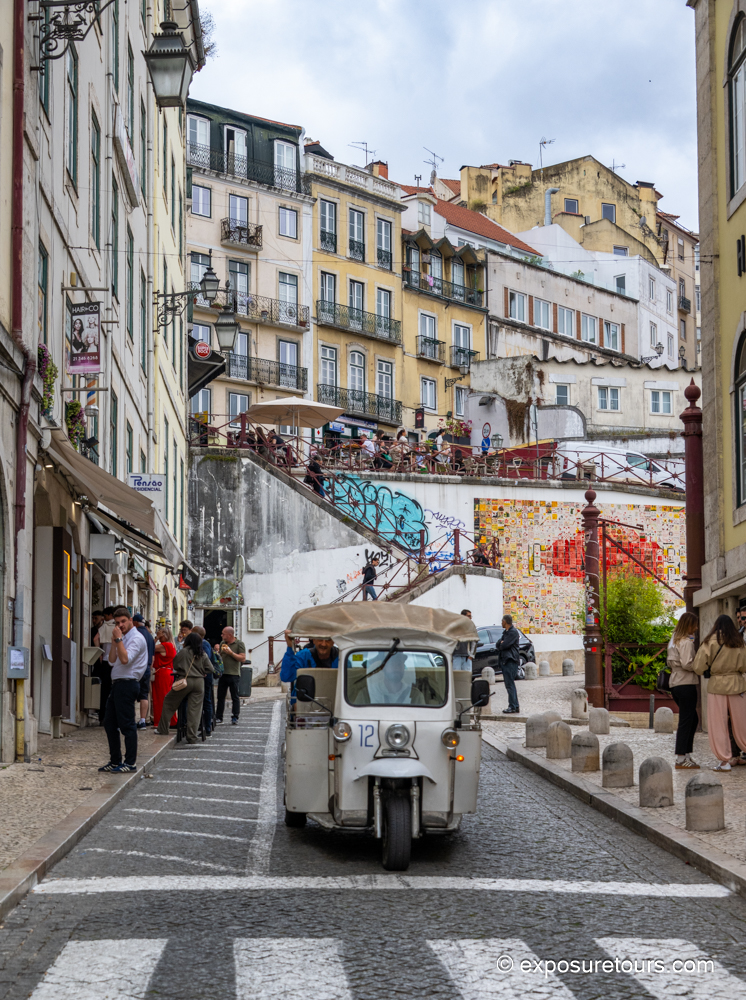
One lesson became obvious almost immediately—comfortable footwear is absolutely essential.
Lisbon’s beautiful limestone pavements are famous, but they’re also surprisingly slippery when wet. Add the city’s steep hills and you’ll appreciate having supportive walking shoes with good grip.
Dress Like a Local
One thing I noticed almost immediately was how stylish Lisbon’s residents are.
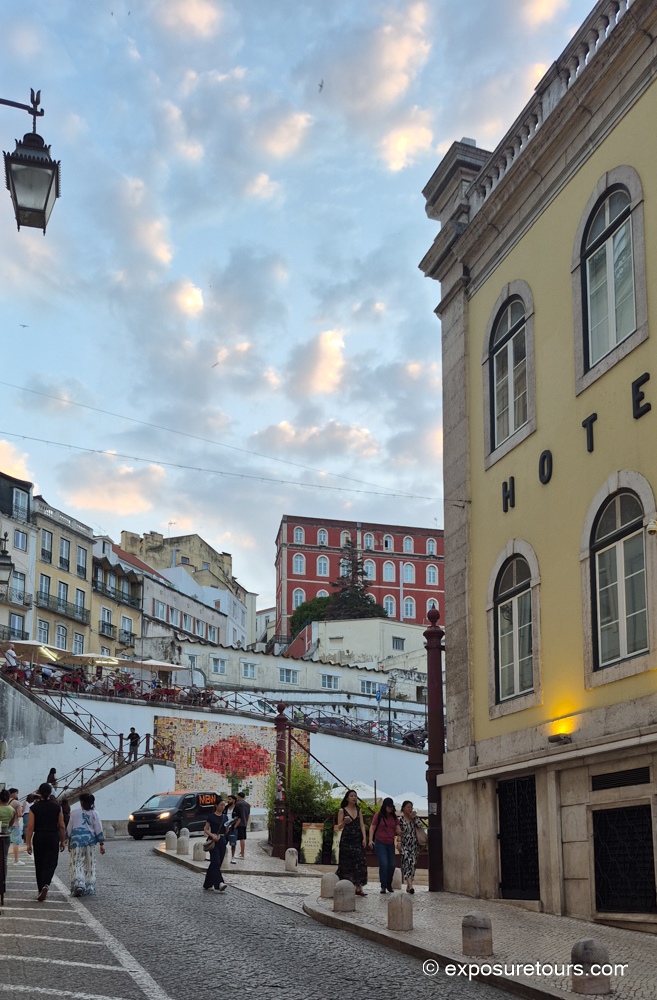
Tourists were easy to spot in shorts and sportswear, while locals generally dressed smartly but casually. Slim-fitting trousers paired with fashionable trainers seemed to be the norm, while loafers or leather shoes were common during the evening.
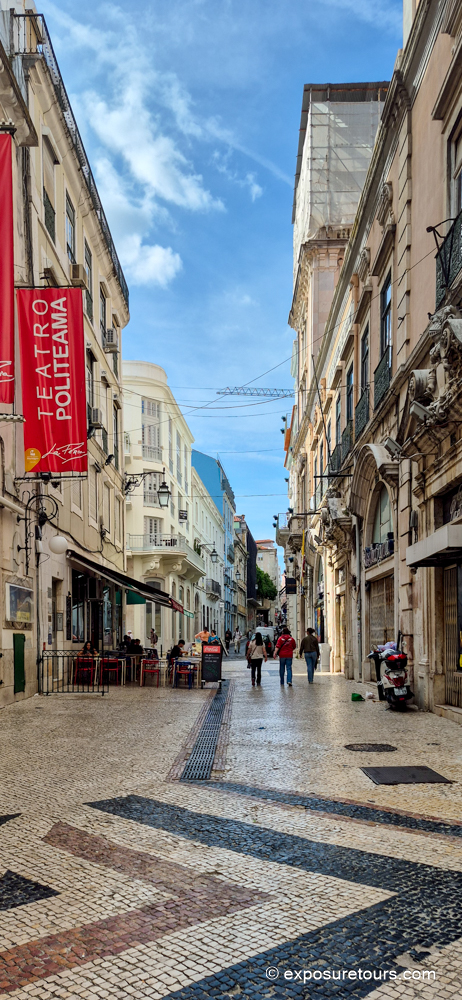
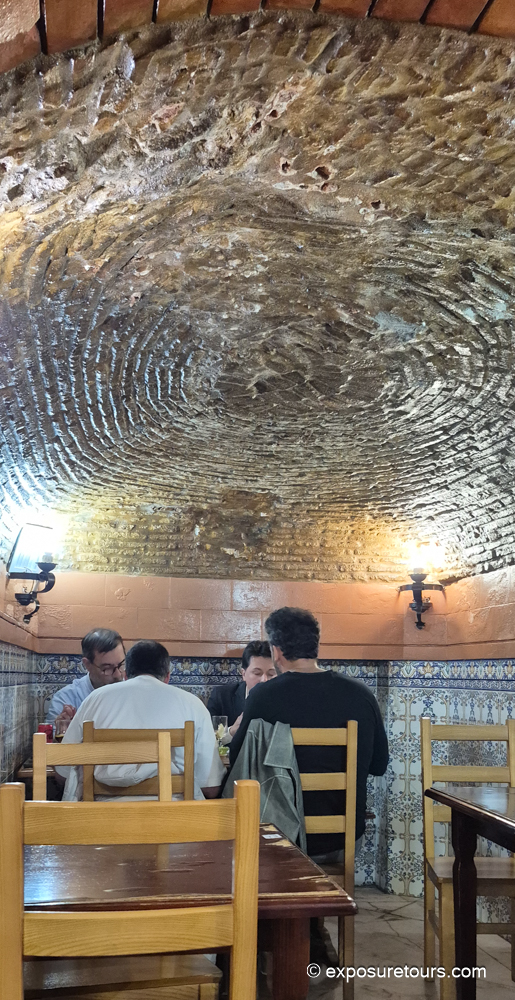
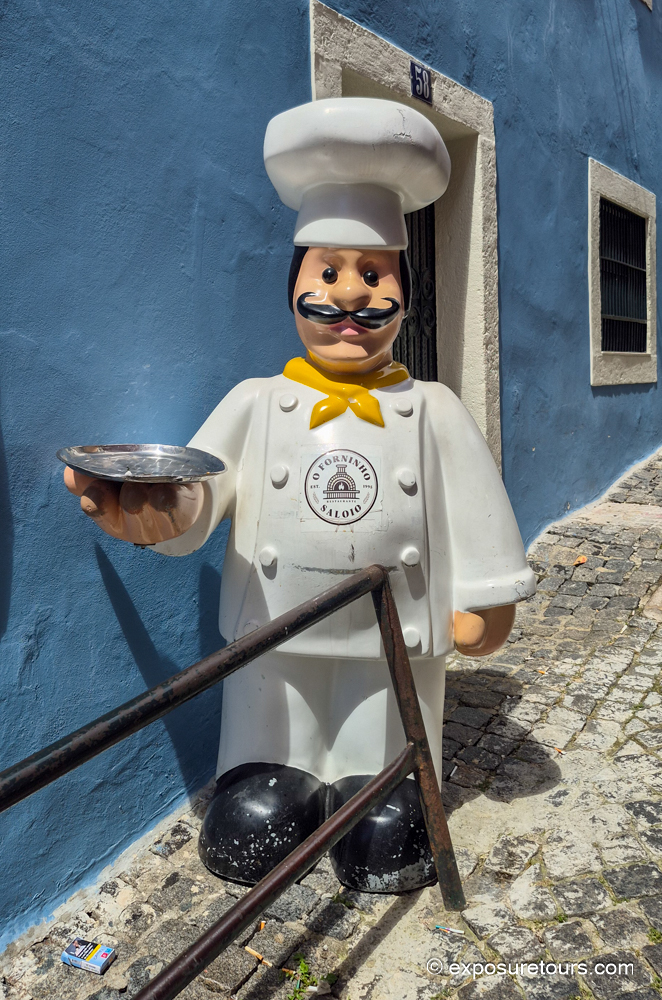
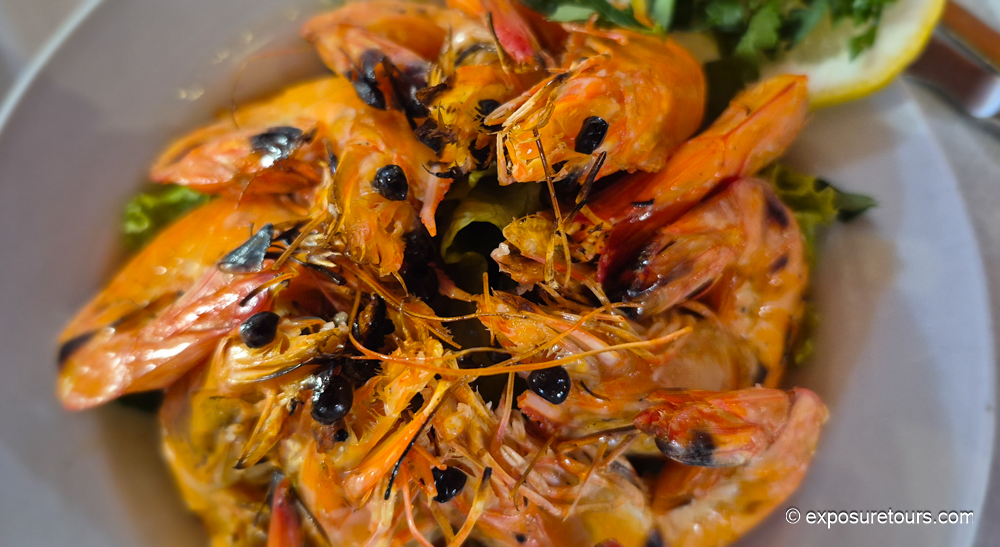
The city somehow manages to feel both fashionable and completely relaxed. Dinner on my first evening was at the family-run restaurant Forninho Saloio. The atmosphere was warm, the service friendly and the traditional Portuguese cuisine was excellent. At around €35 for one person, including drinks, it wasn’t the cheapest meal of the trip, but it was certainly memorable and a wonderful introduction to Portuguese cooking.
Day 2 – Lisbon’s Historic Landmarks
Rather than booking one of the large hop-on, hop-off buses, I chose a small-group city tour with hotel pickup.
It turned out to be one of the best decisions of the trip.
Not only did it provide an excellent overview of Lisbon’s history and neighbourhoods, it also allowed me to identify locations I wanted to revisit during sunrise and sunset later in the week.
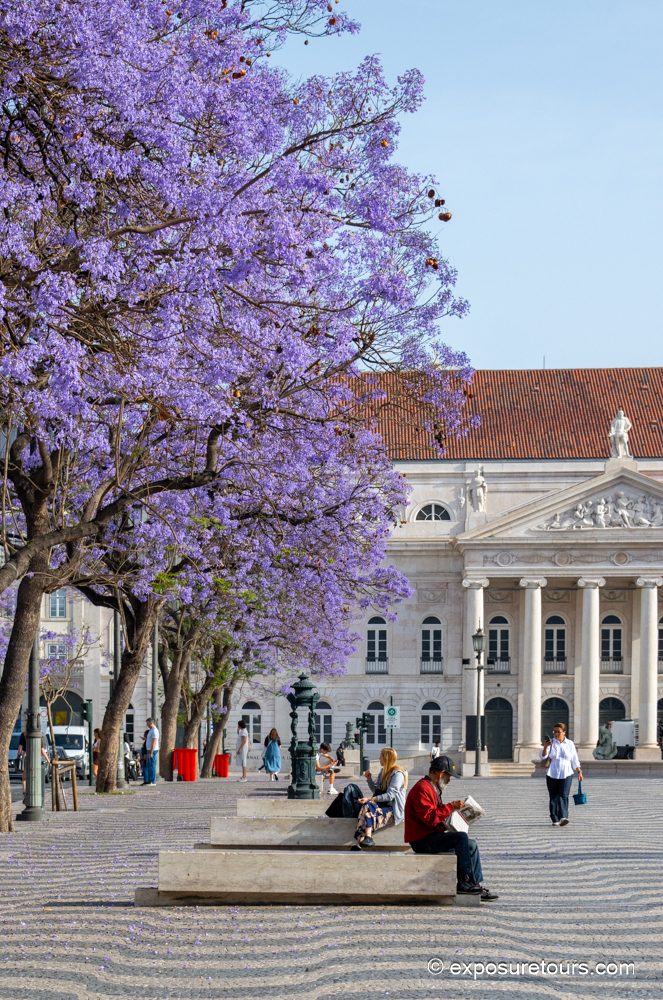
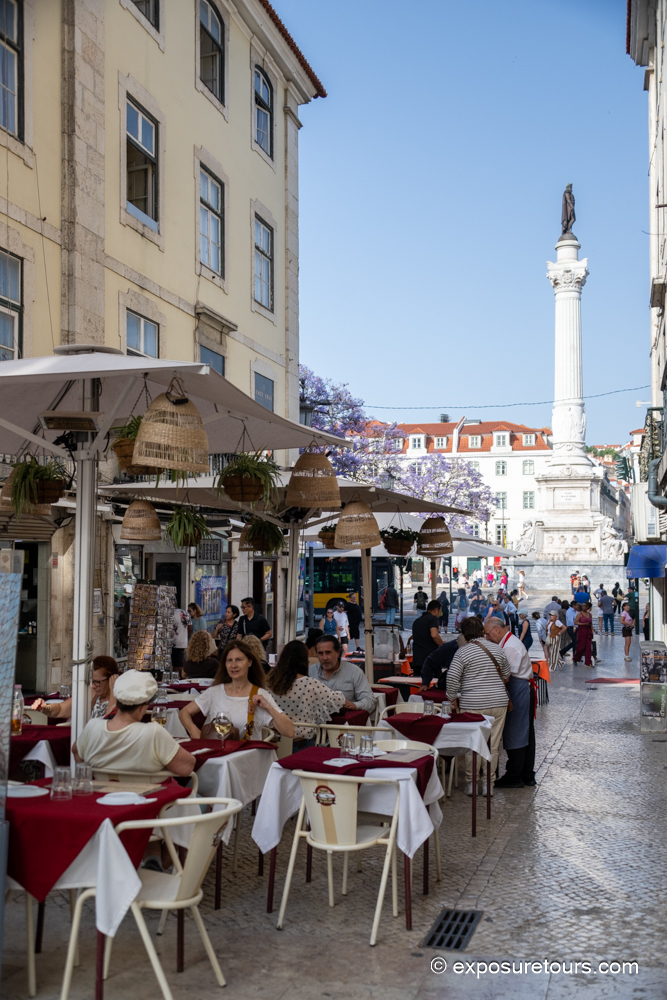
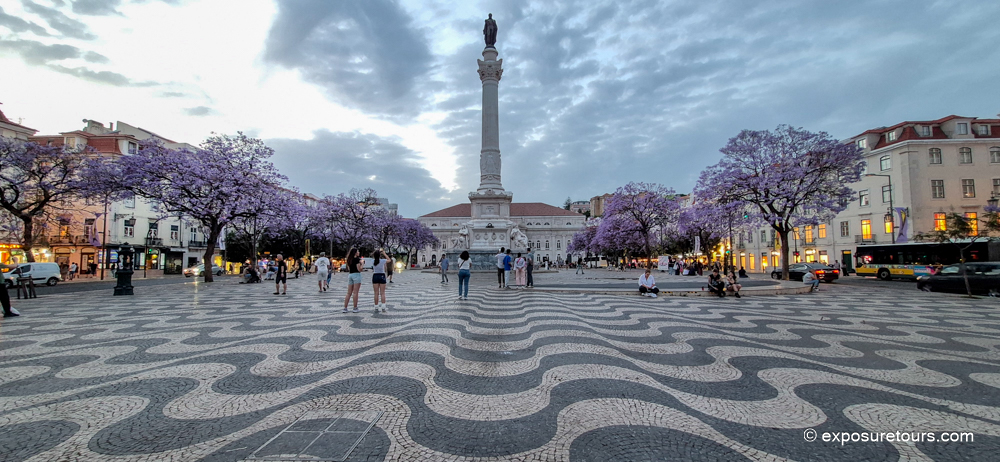
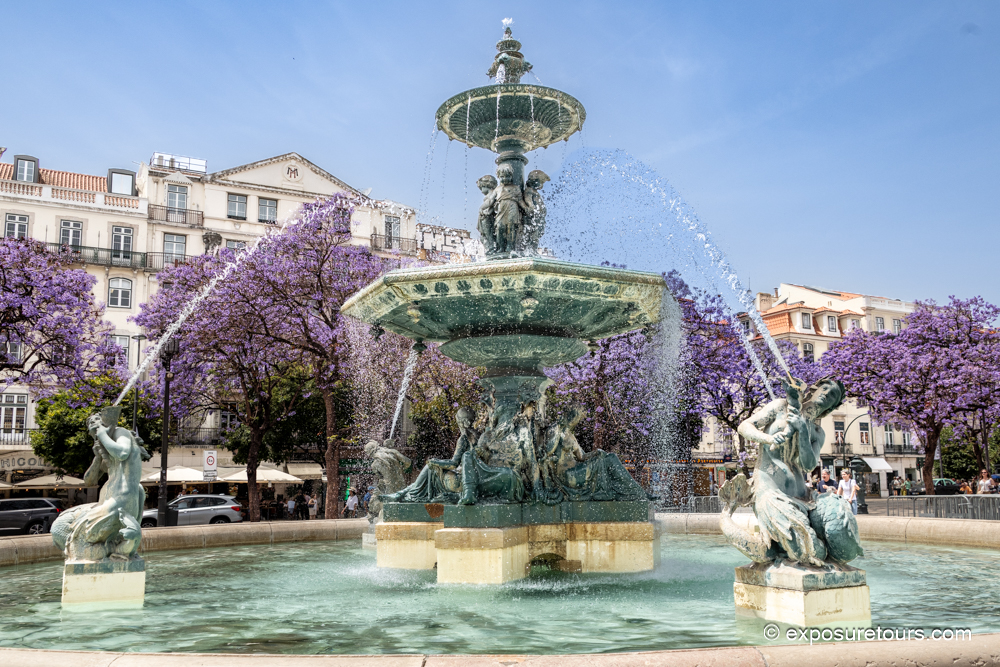
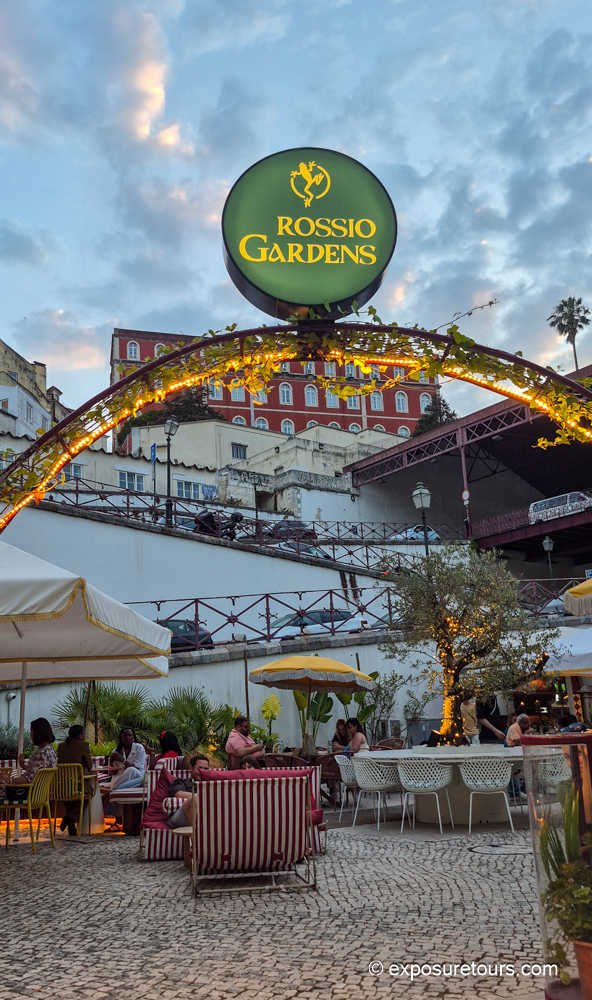
Our first stop was Rossio and Restauradores Squares.
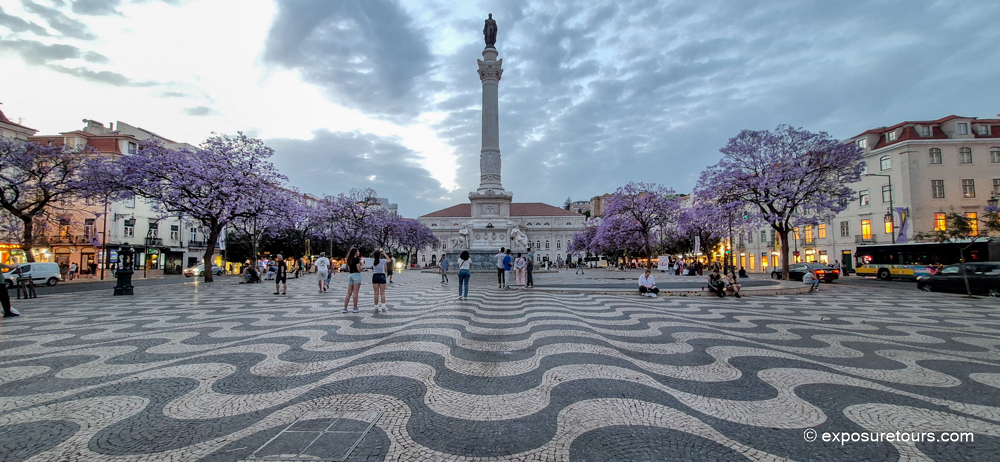
Visiting in May had an added bonus. The city’s Jacaranda trees were in full bloom, their vibrant purple flowers providing stunning contrast against Lisbon’s white limestone buildings and distinctive black mosaic pavements.
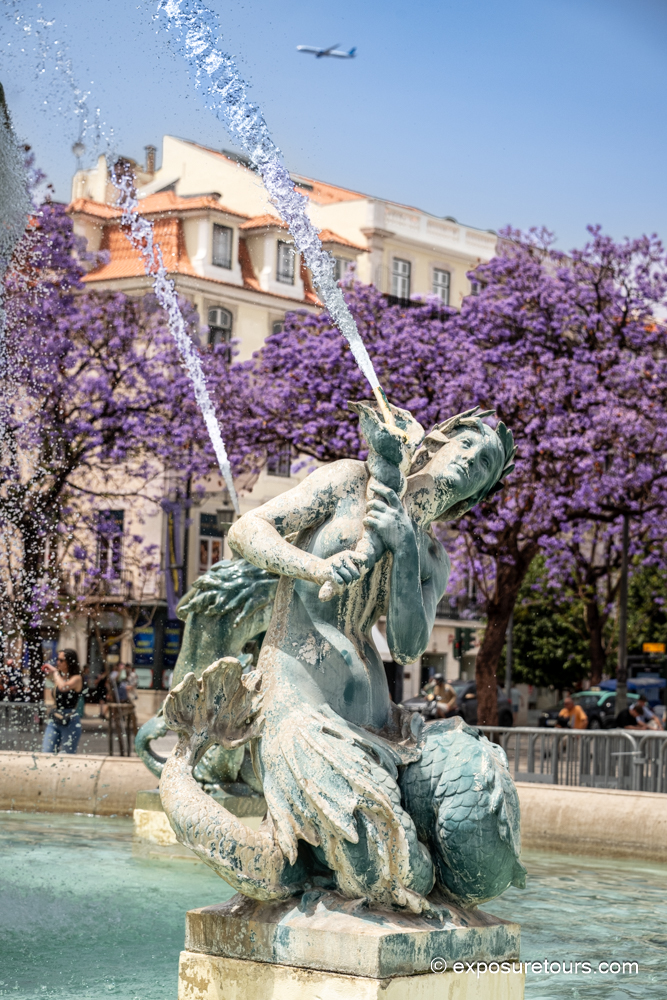
For almost the entire trip I relied on my favourite travel combination—a full-frame camera paired with my trusted 28–300mm lens. Having such a versatile zoom meant I could quickly move from sweeping cityscapes to architectural details without changing lenses.
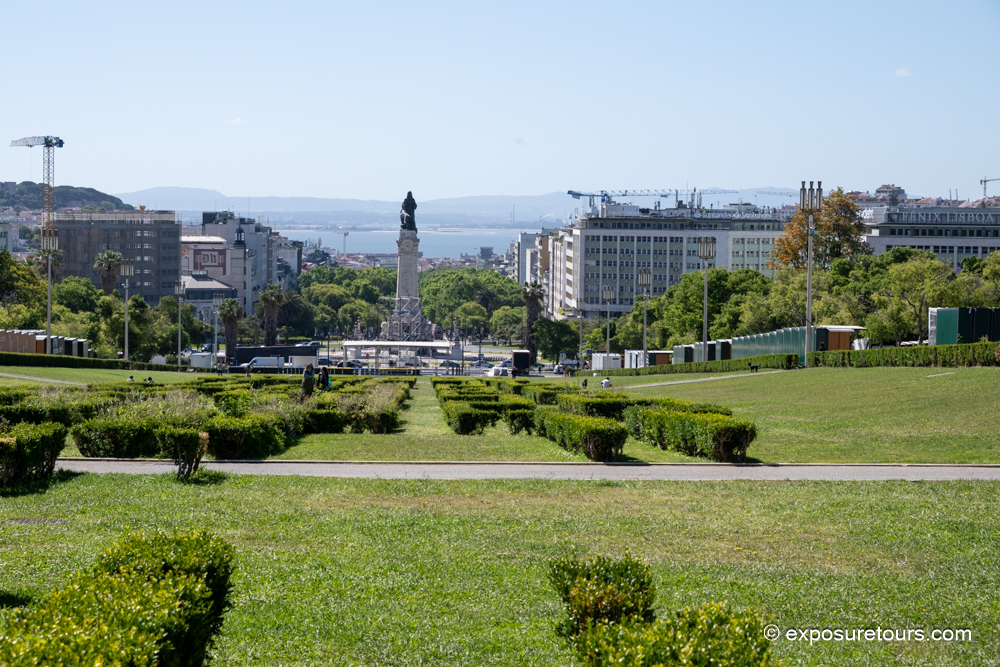
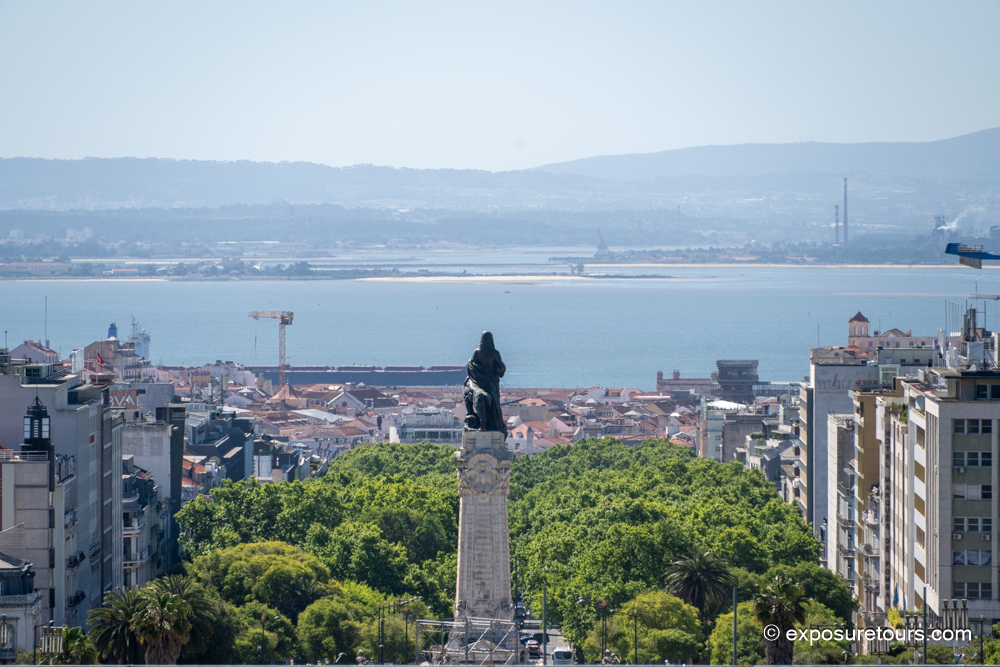
Our next stop was Eduardo VII Park.
Normally the elevated gardens provide spectacular views across Lisbon towards the Tagus River. Unfortunately, preparations for a large public event partially blocked the famous viewpoint, but the beautifully maintained gardens were still well worth exploring.
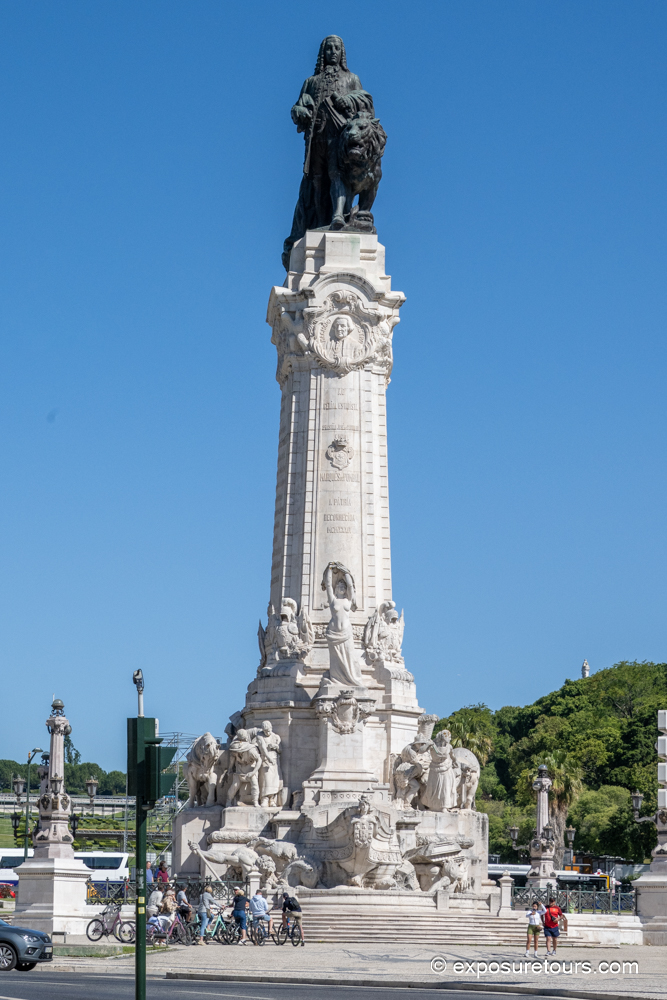
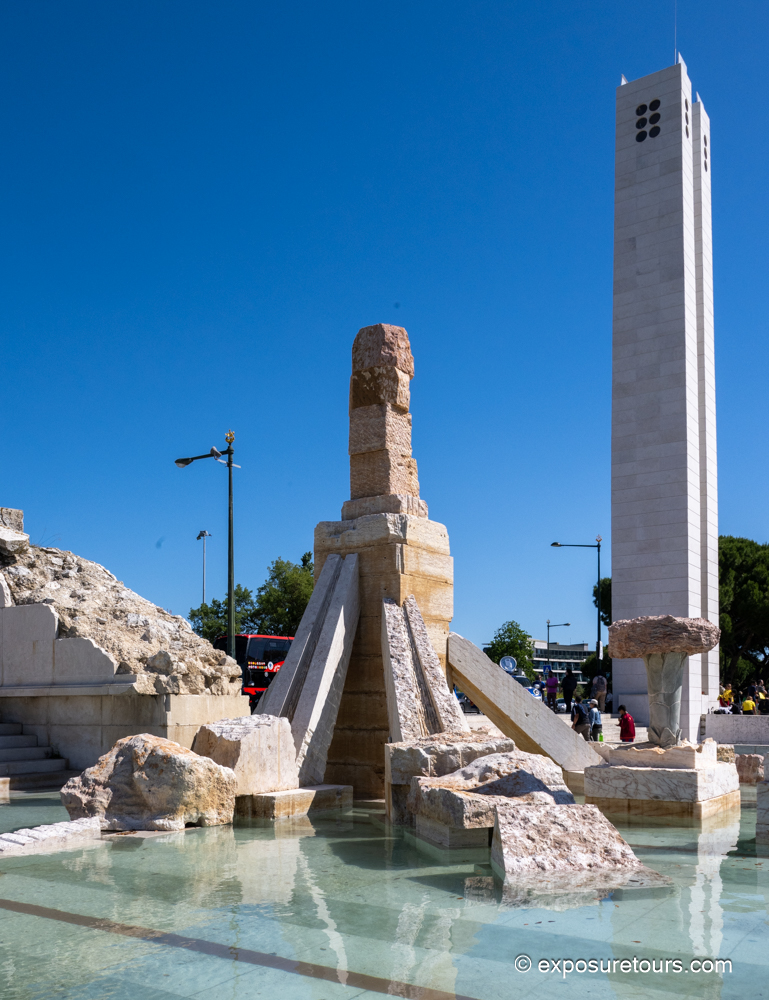
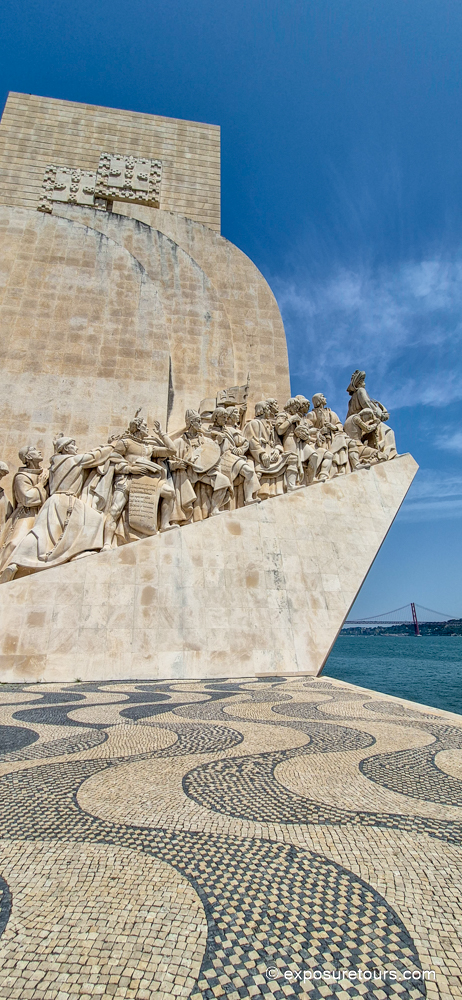
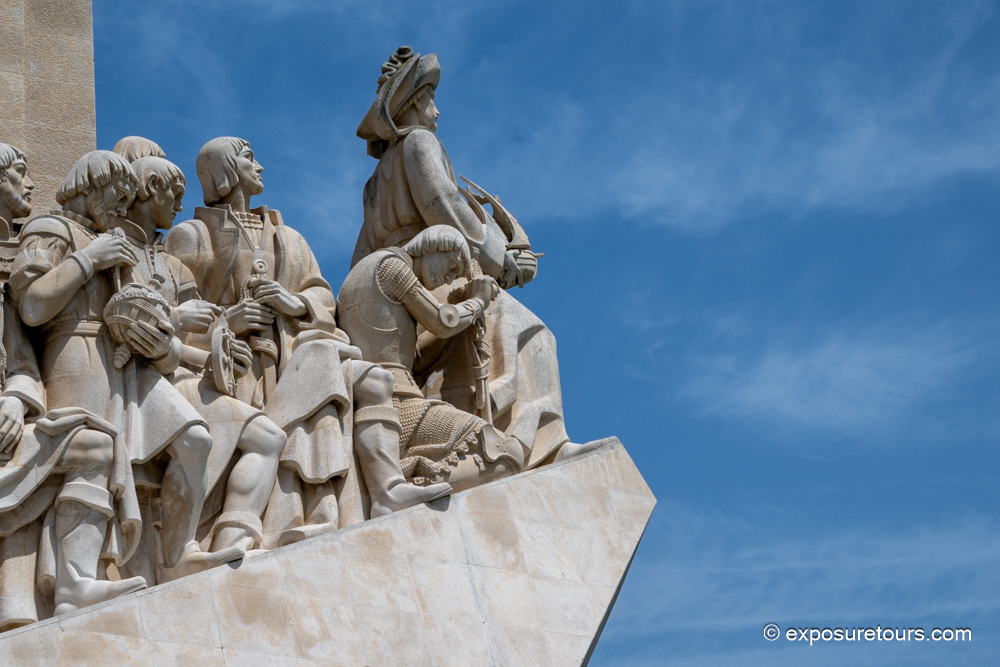
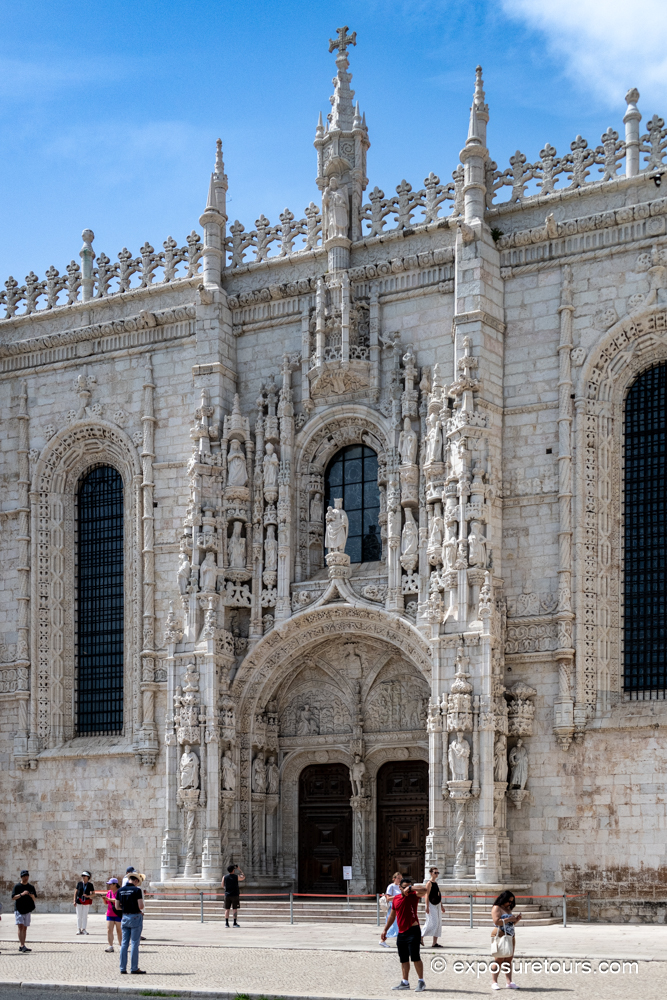
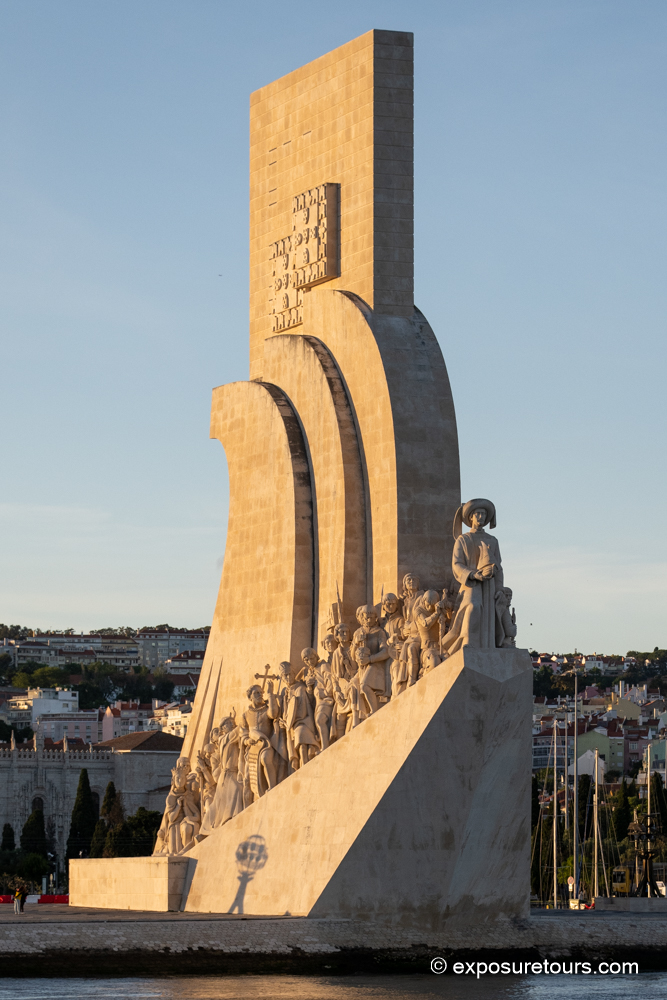
No visit to Lisbon would be complete without spending time in Belém. Home to some of Portugal’s most iconic monuments, it’s also one of the busiest parts of the city.
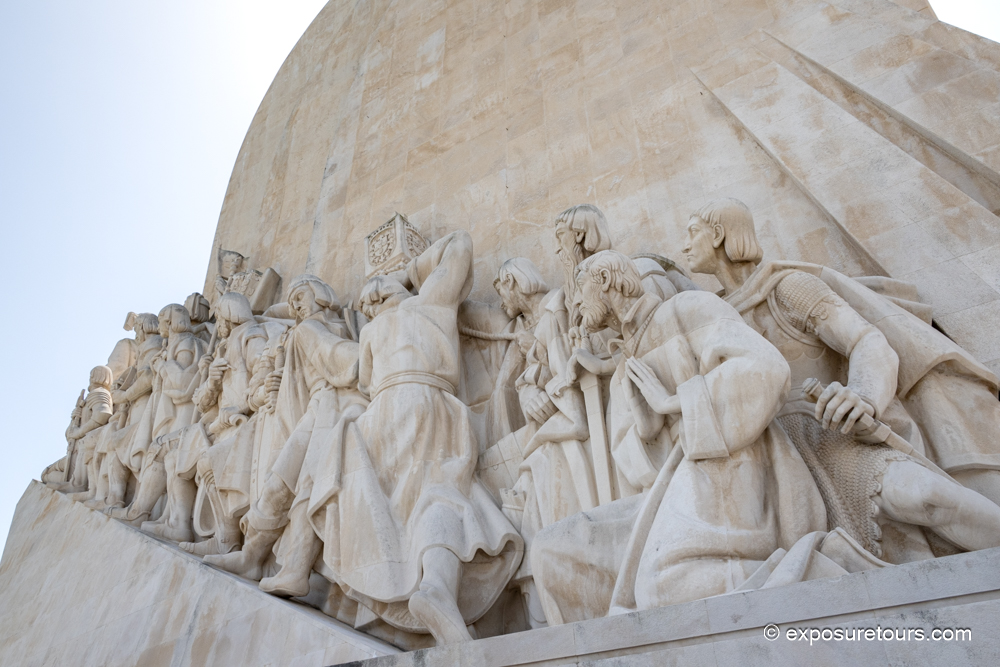
Photography Tip
If you’re visiting Belém during the middle of the day, don’t spend all your time chasing crowd-free postcard images—they’re almost impossible to capture. Instead, focus on architectural details, interesting textures and tighter compositions. Some of my favourite photographs came from looking up rather than straight ahead.
One of the day’s highlights was visiting the Christ the King statue overlooking the Tagus River.
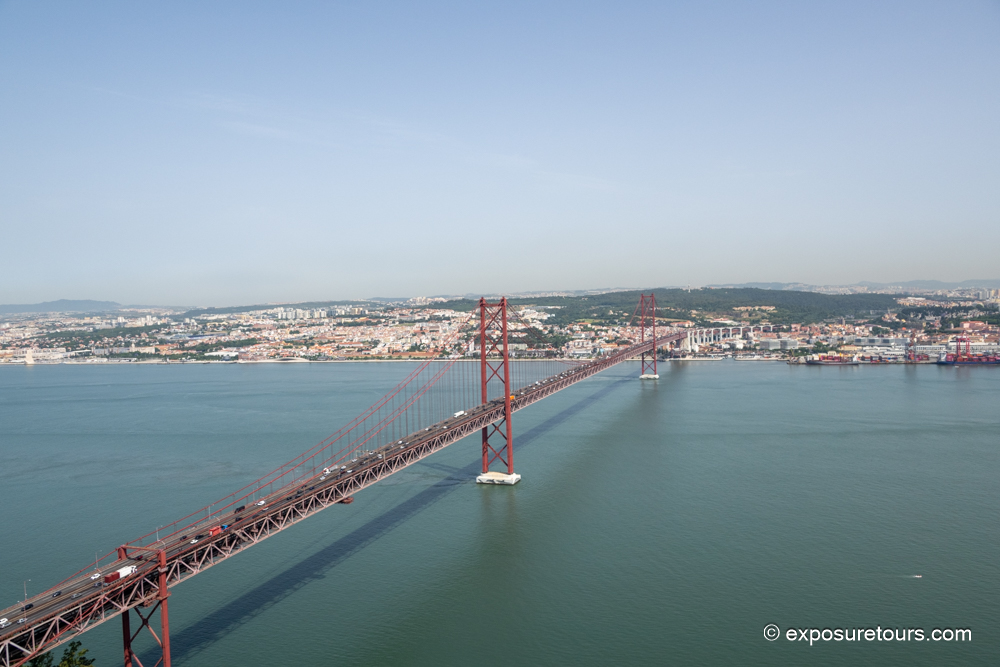
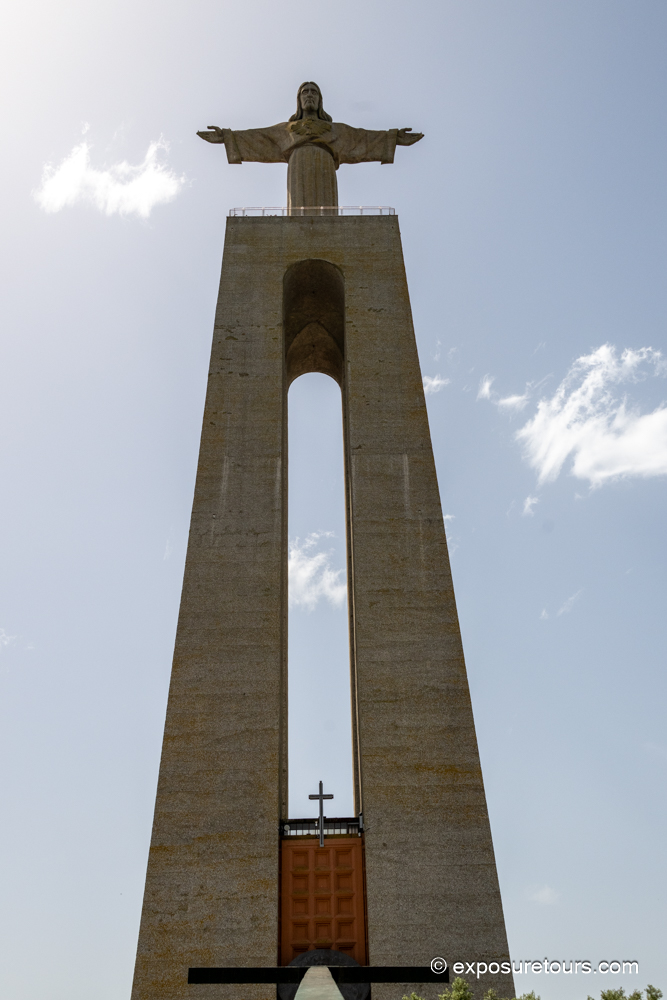
Standing high above the southern bank, the monument offers spectacular panoramic views of Lisbon, Belém and the famous 25 de Abril Bridge. It’s one of the best locations for understanding the city’s geography while capturing sweeping landscape photographs.
The day concluded with a visit to Lisbon Cathedral before stopping at the famous Pastéis de Belém bakery.
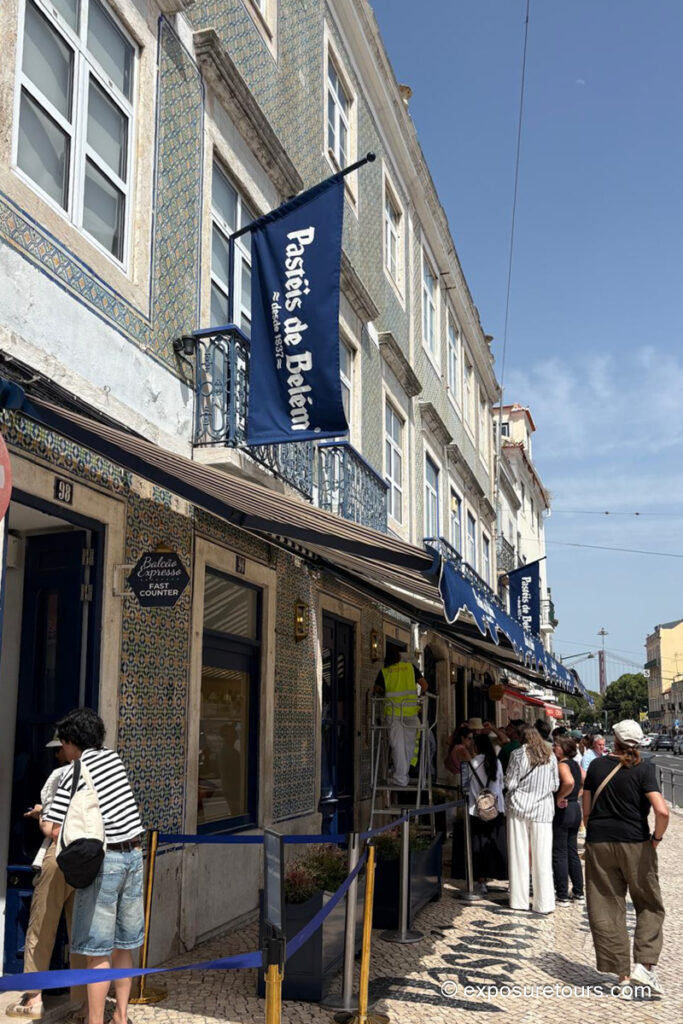
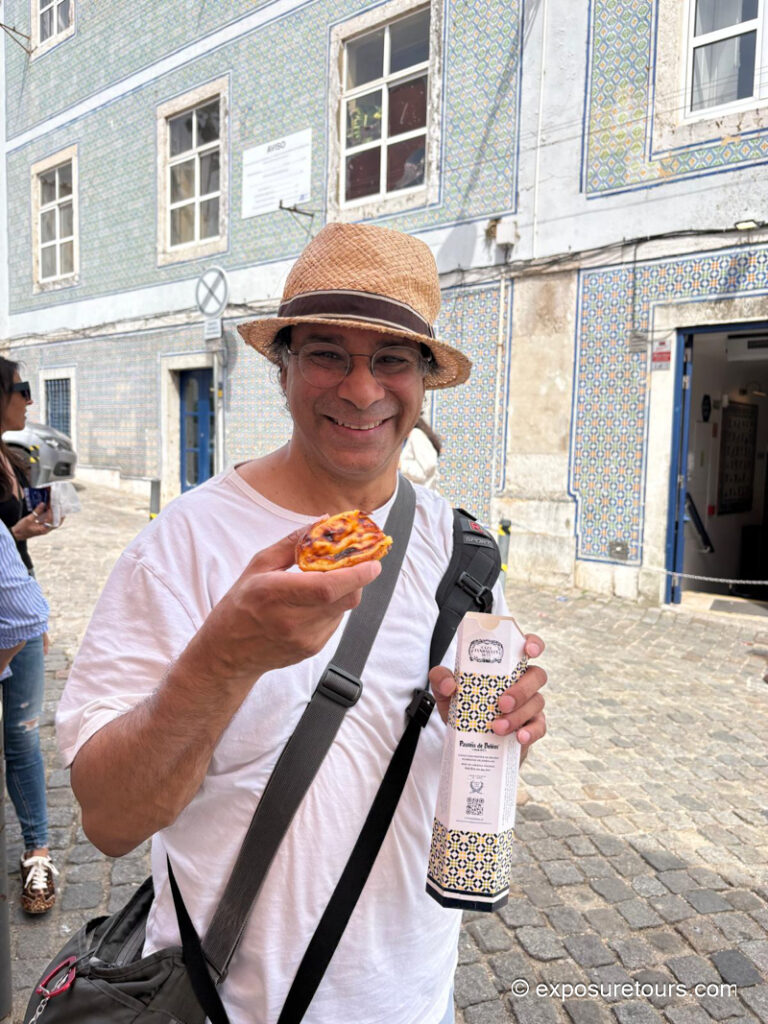
Serving Portugal’s legendary custard tarts since 1837, it’s easy to understand why visitors are willing to queue. Fresh from the oven and lightly dusted with cinnamon, they’re simply outstanding.
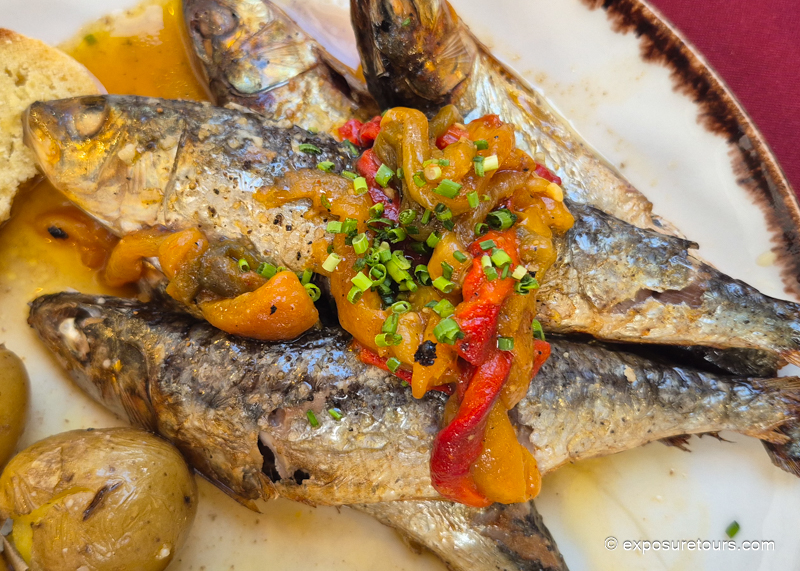
For dinner ofcourse it had to be locally sourced seafood. Traditional Sardines and prawns.

By the end of the day I had a much clearer understanding of Lisbon’s layout and already had a list of locations I wanted to revisit during the quieter hours of sunrise and sunset.
Day 3 – Pink Street, Historic Trams and Sunset on the Tagus
After a full day of sightseeing, I decided on a slower pace.
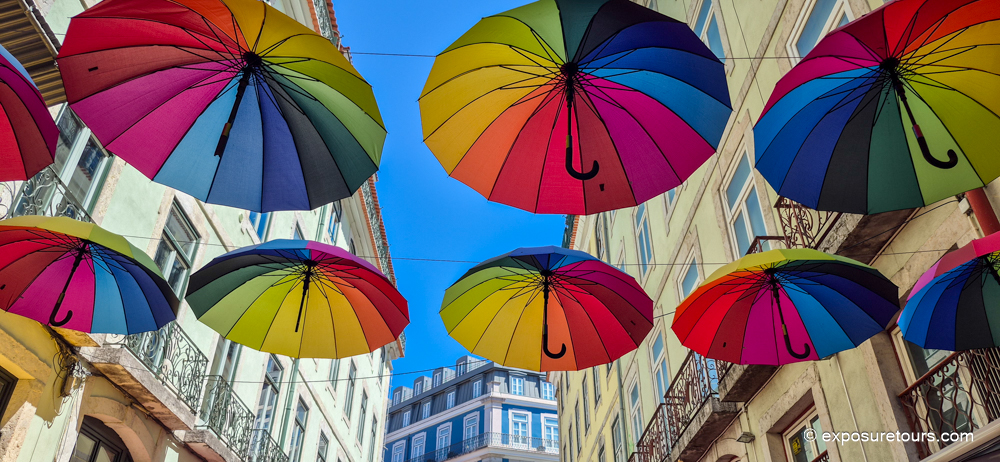
My first stop was the famous Pink Street. Once Lisbon’s red-light district, it’s now one of the city’s busiest nightlife destinations, filled with bars, restaurants and live music.
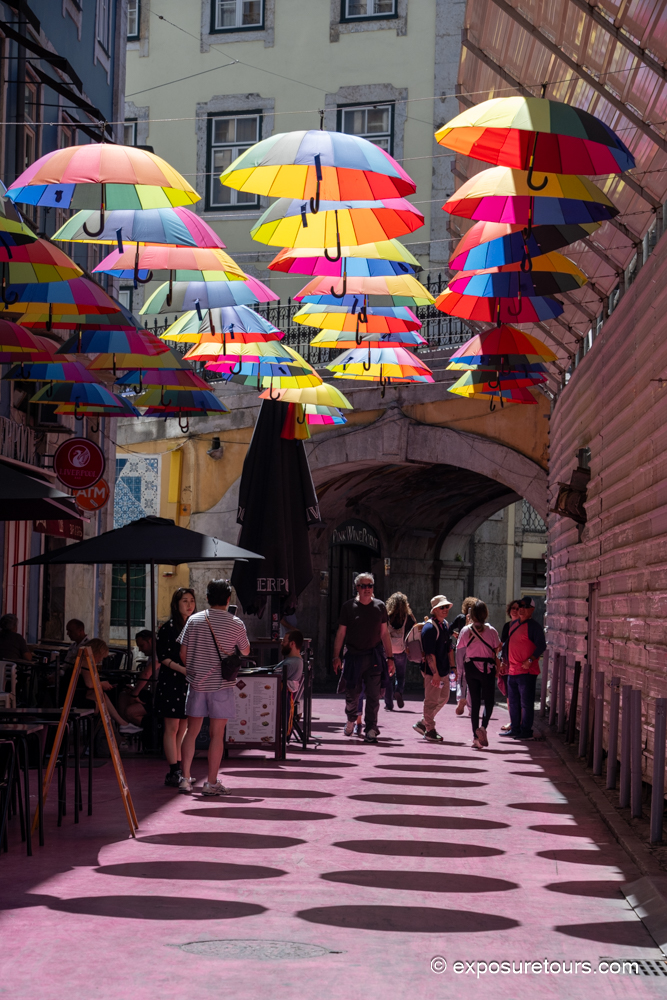
I deliberately arrived just before lunchtime.
The streets were still relatively quiet, making it much easier to photograph the colourful pavement before the afternoon crowds arrived.
One thing to be aware of is the presence of scammers openly offering drugs to tourists. Simply ignore them and keep walking—they’re easy to avoid.
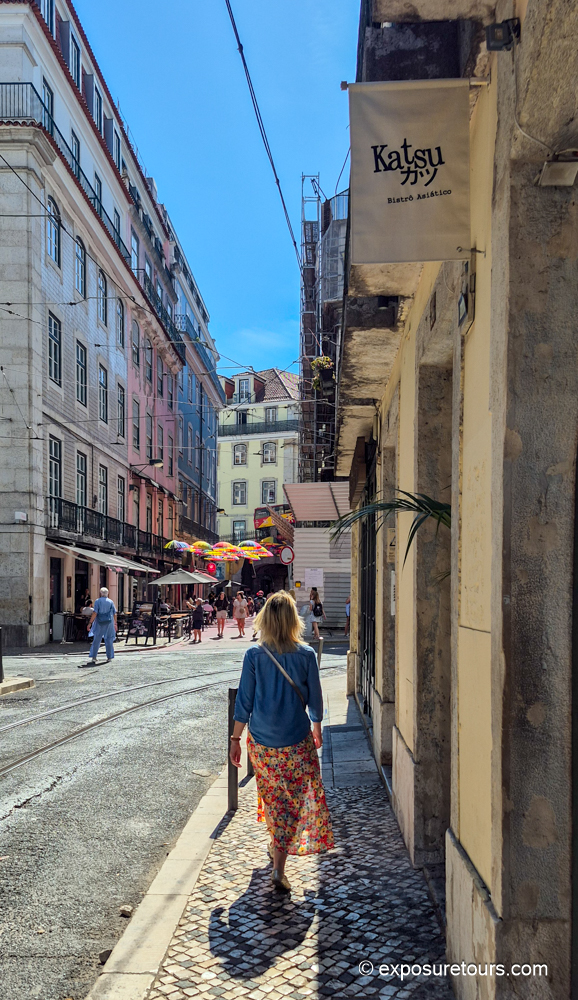
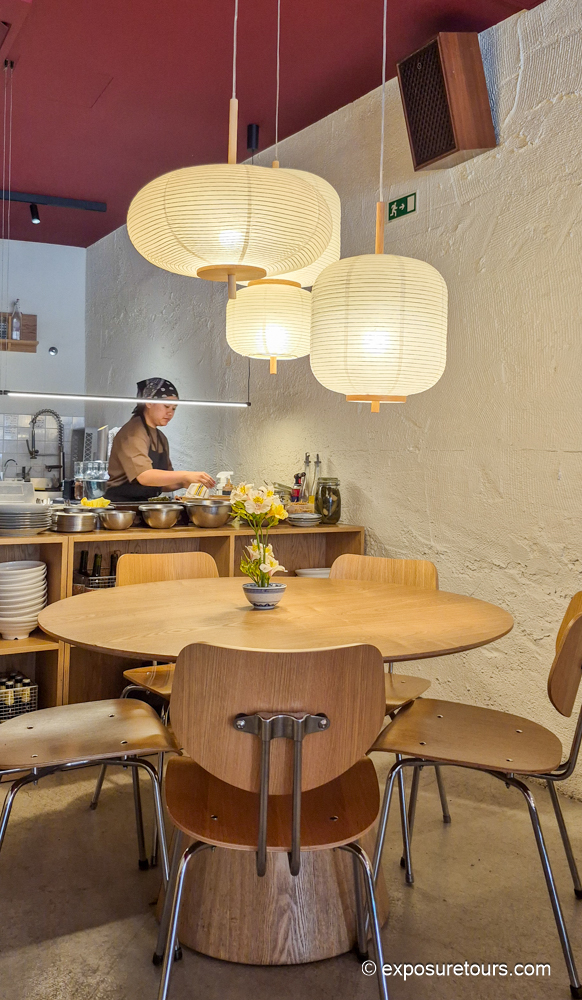
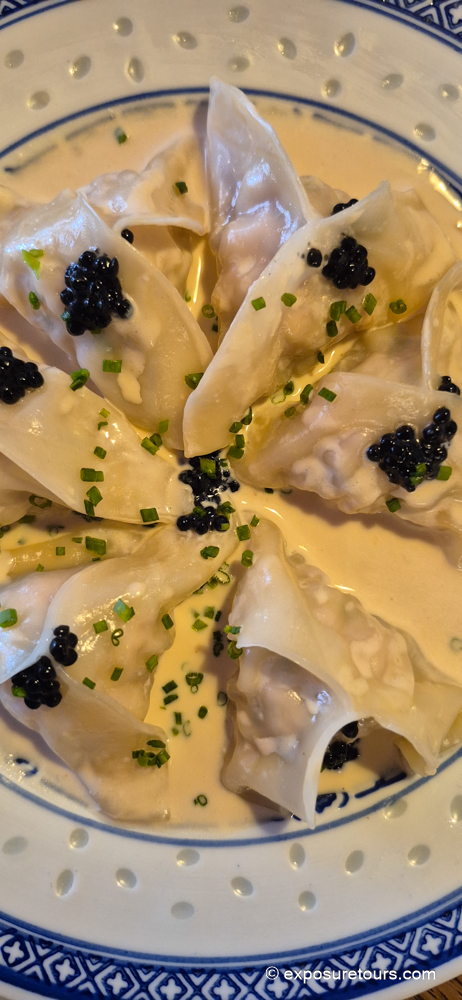
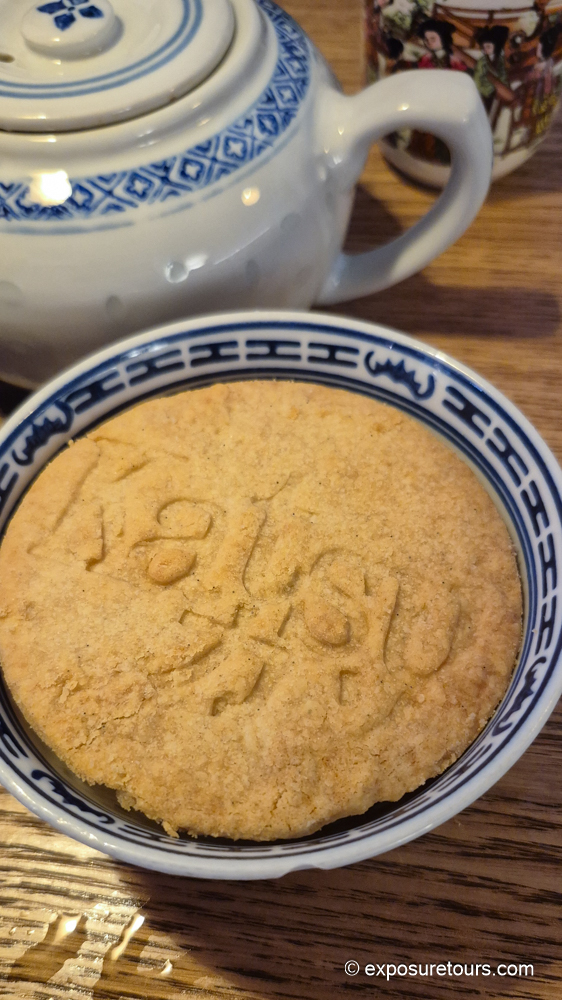
I enjoyed a relaxed lunch before heading towards Lisbon’s famous yellow trams.
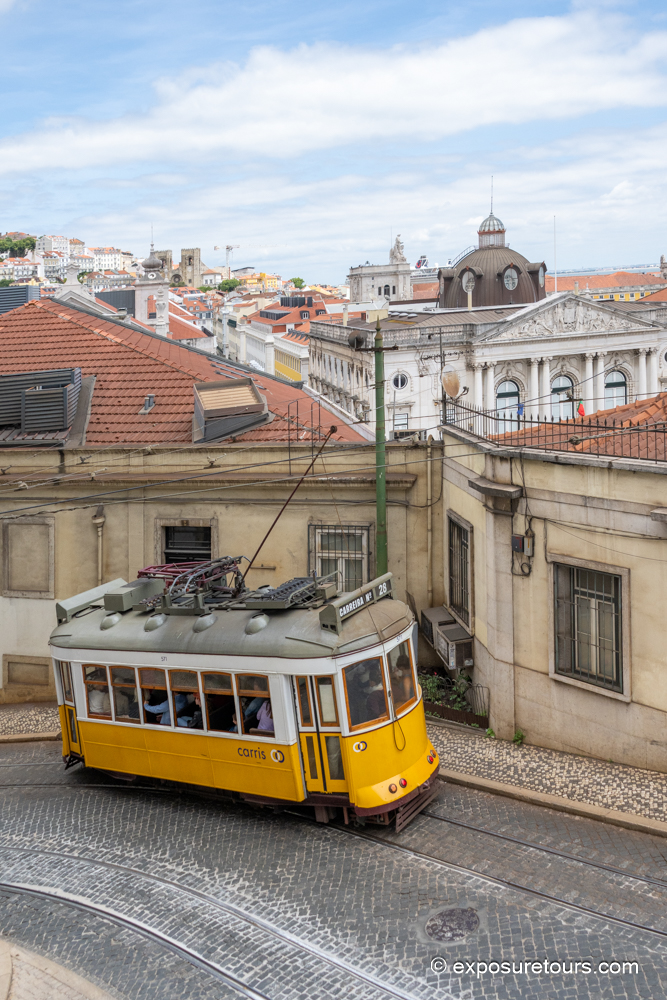
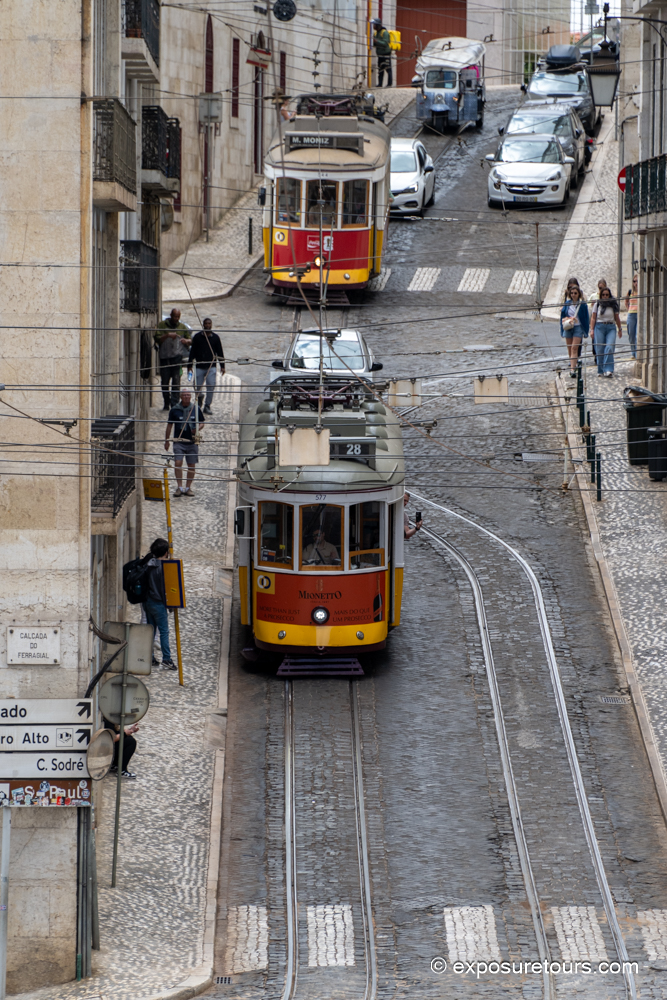
Although riding Tram 28 is considered a must-do experience, the queues were enormous and many locals struggled to board because of the volume of tourists. Rather than waiting in line, I chose to photograph the trams from the outside, often resulting in far stronger images than those taken from inside a crowded carriage.
Travel Tip
Uber is remarkably affordable in Lisbon. Throughout my stay I found it easier, quicker and often safer than relying on crowded public transport, especially when carrying expensive camera gear.
Also check museum opening times in advance. Two museums on my itinerary were unexpectedly closed for renovations.
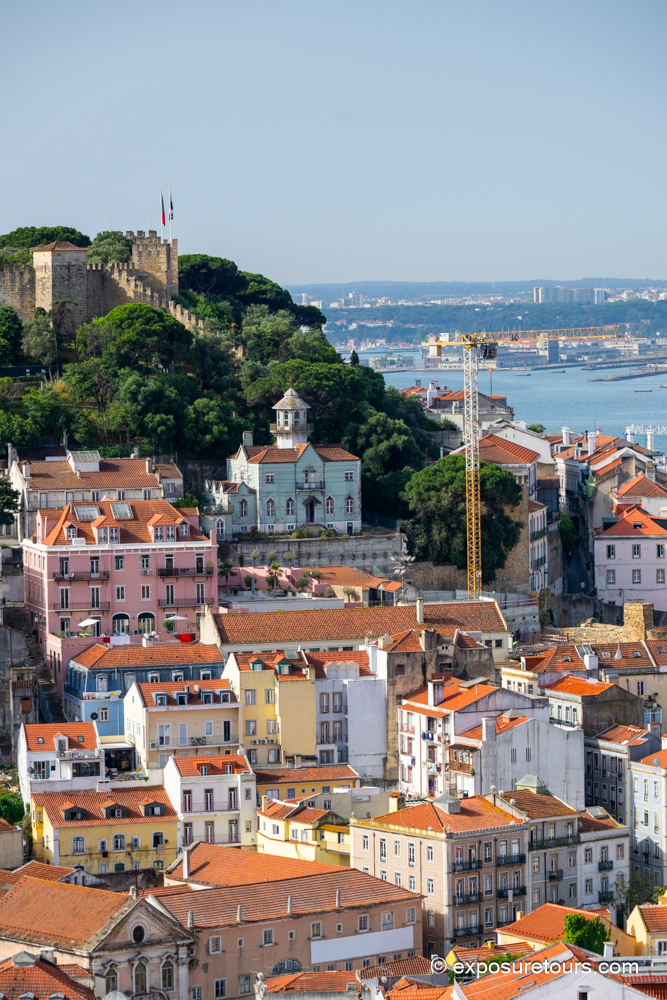
Later in the afternoon I visited São Jorge Castle.
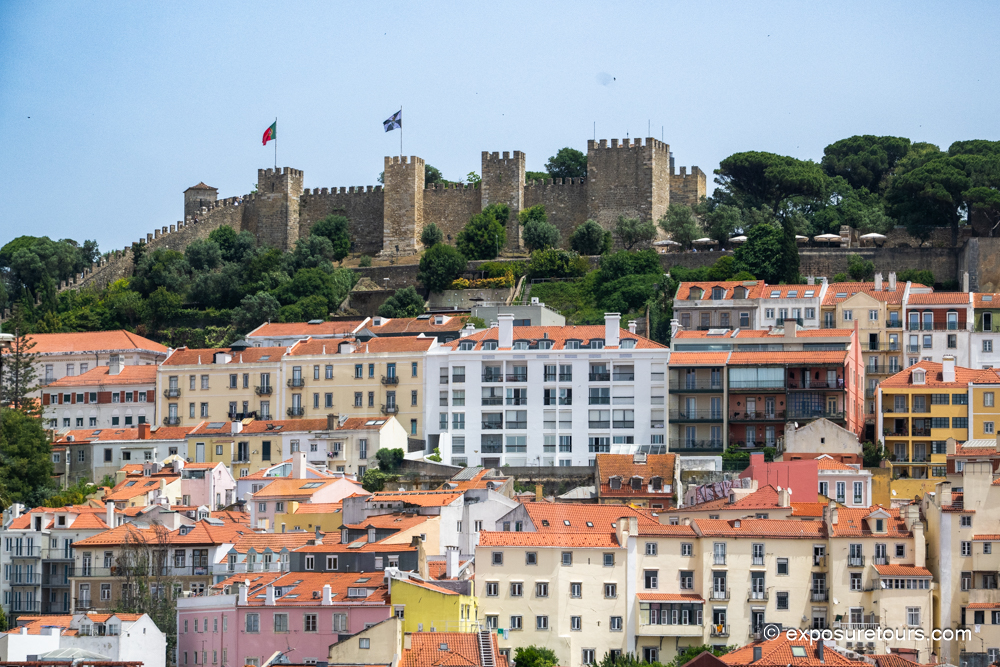
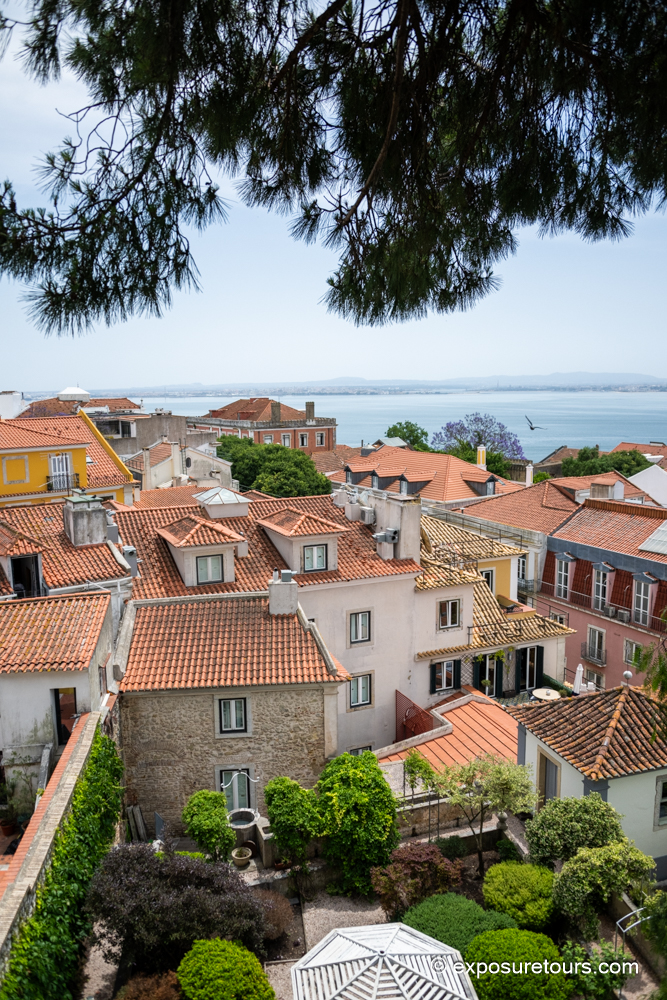
The panoramic views over Lisbon are spectacular, but don’t overlook the castle itself. The archaeological excavations, ancient stone walls and resident peacocks offer countless photographic opportunities beyond the famous viewpoints.
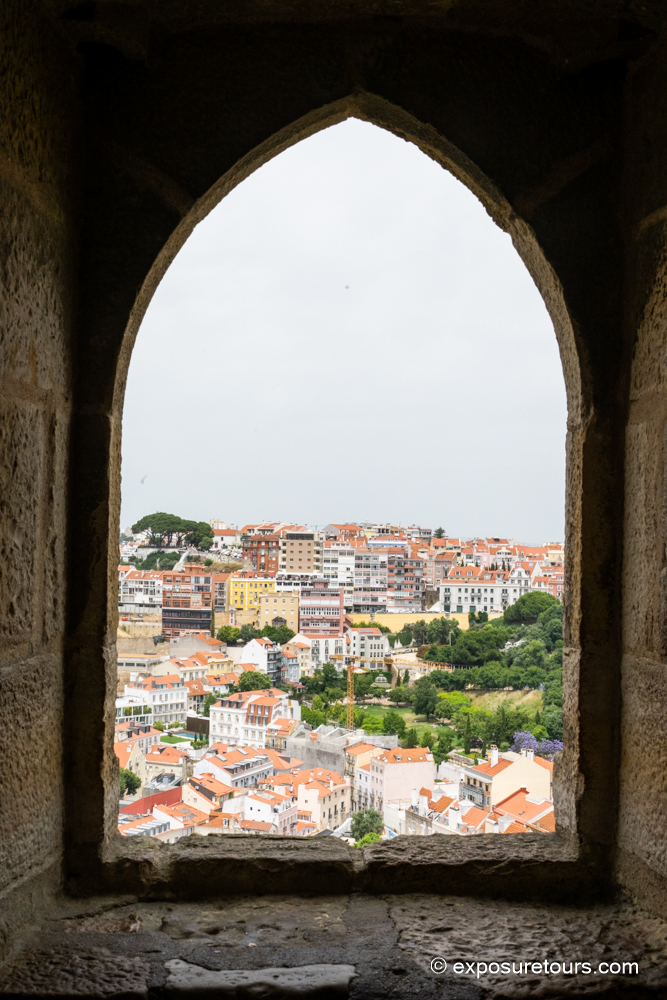
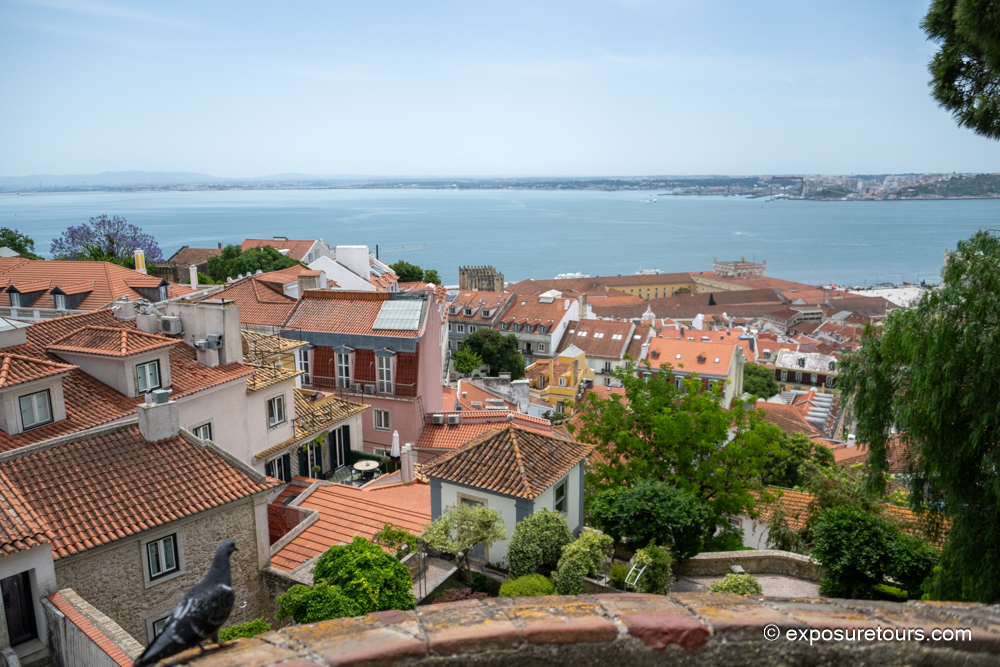
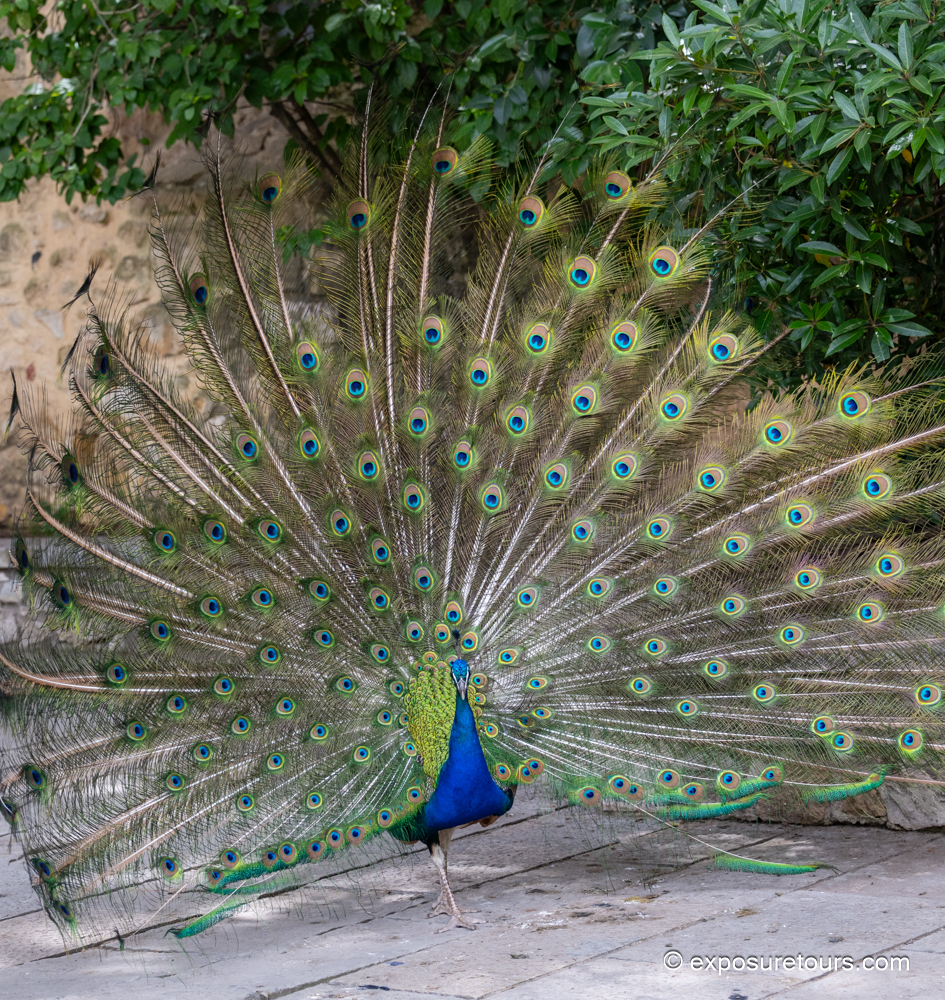
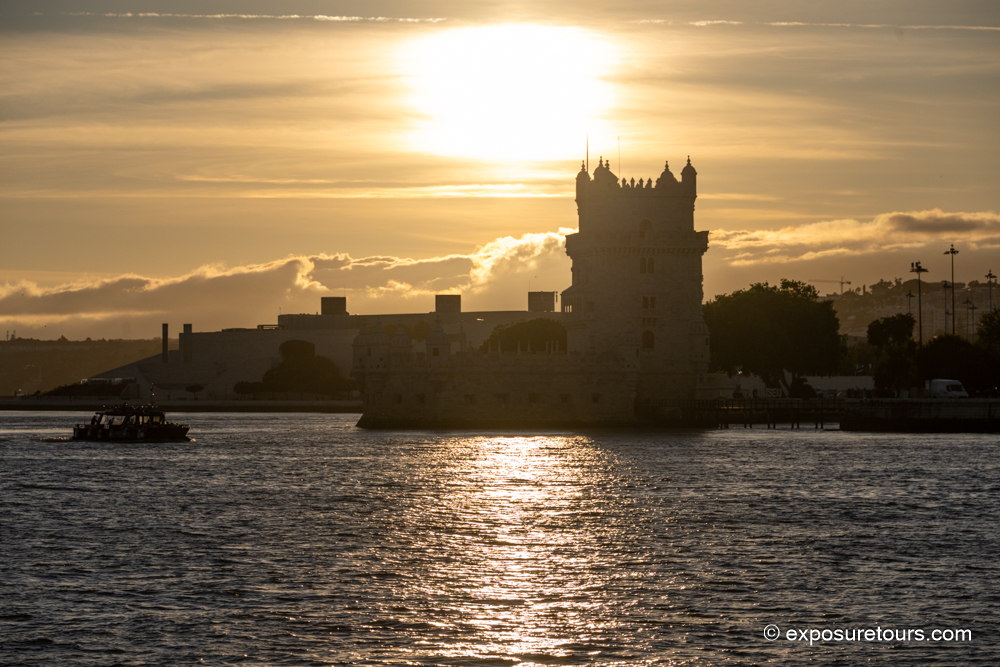
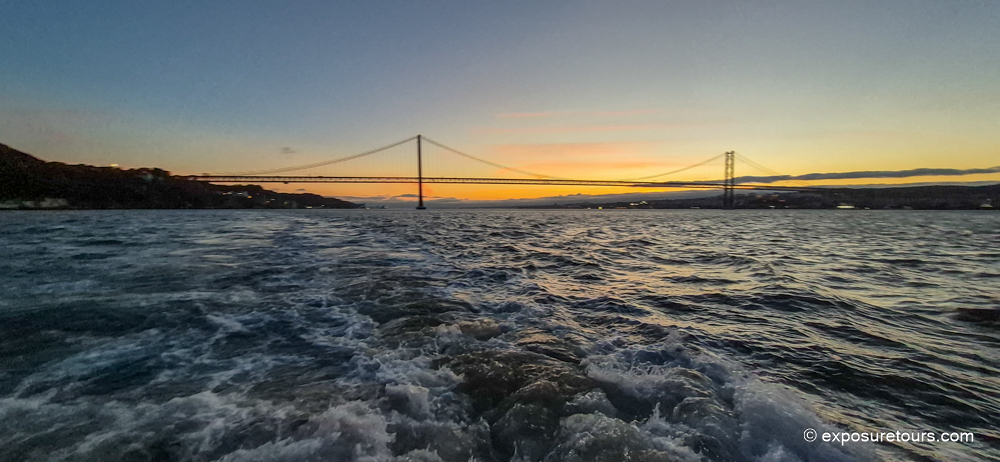
I finished the day aboard a sunset cruise on the Tagus River.
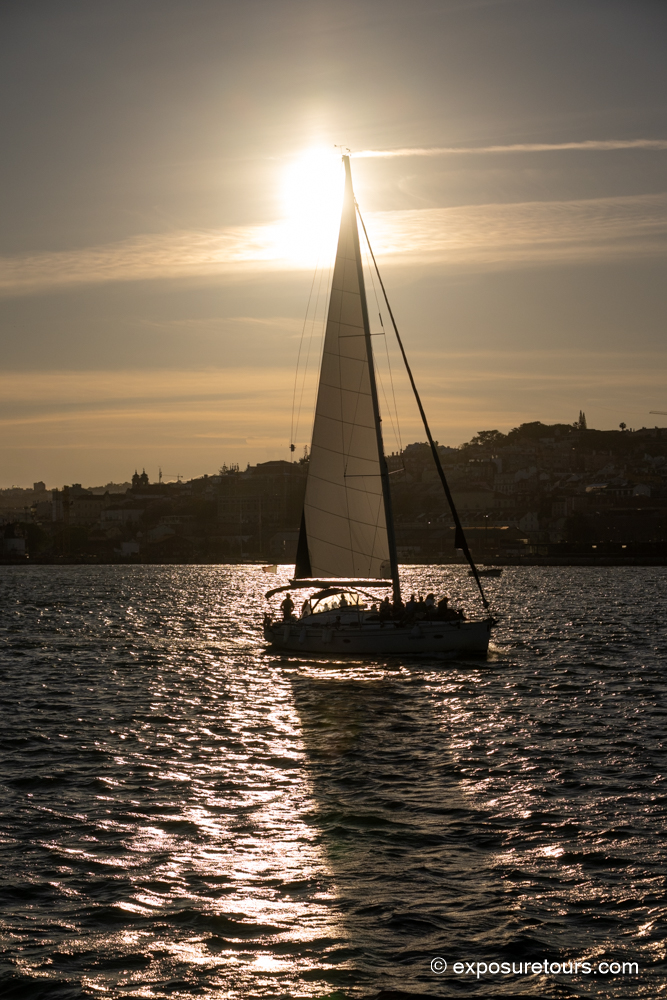
With a live DJ onboard and golden light reflecting off Lisbon’s colourful waterfront, it became one of my favourite evenings of the trip. Watching the city slowly disappear into the warm evening glow while photographing the skyline from the water provided a completely different perspective.
The perfect ending?
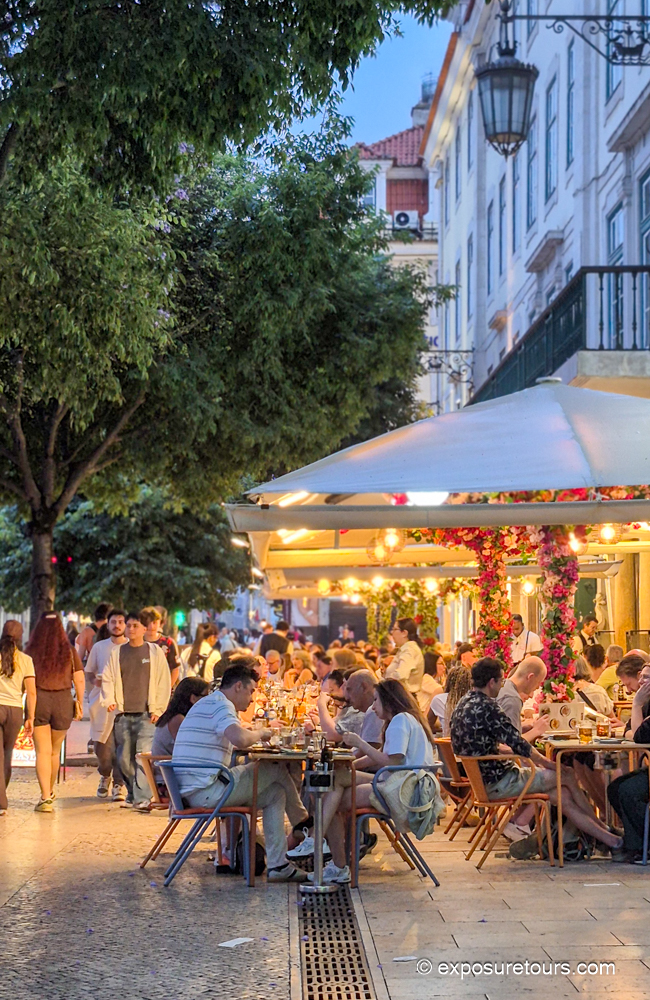
A well-earned Portuguese gelato while strolling back through the city.
Day 4 – An Unexpected Adventure
Portugal’s rail network is efficient, affordable and an excellent way to explore towns beyond Lisbon.

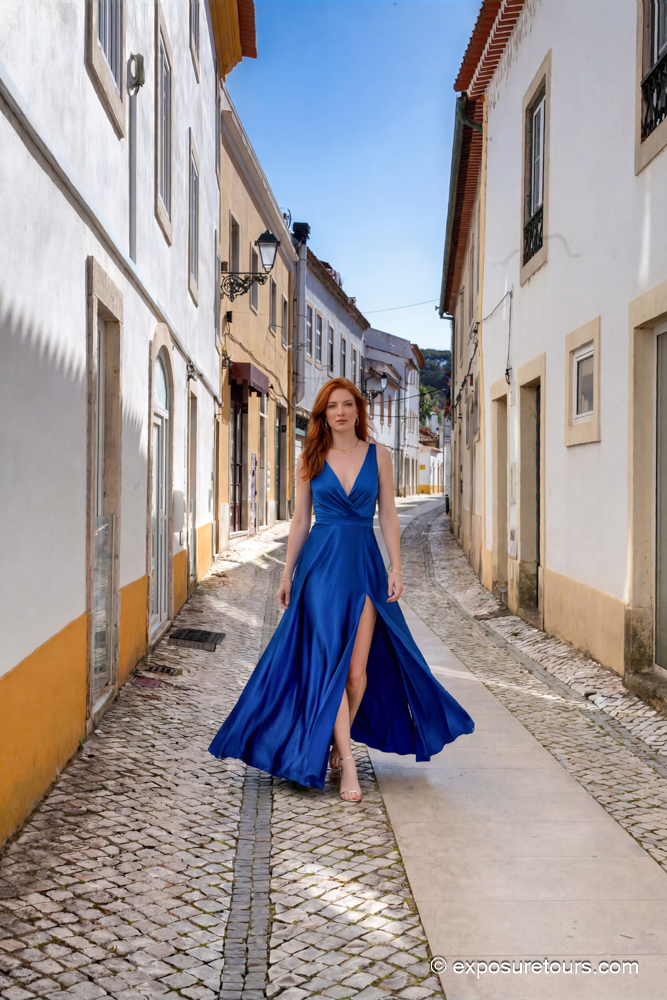
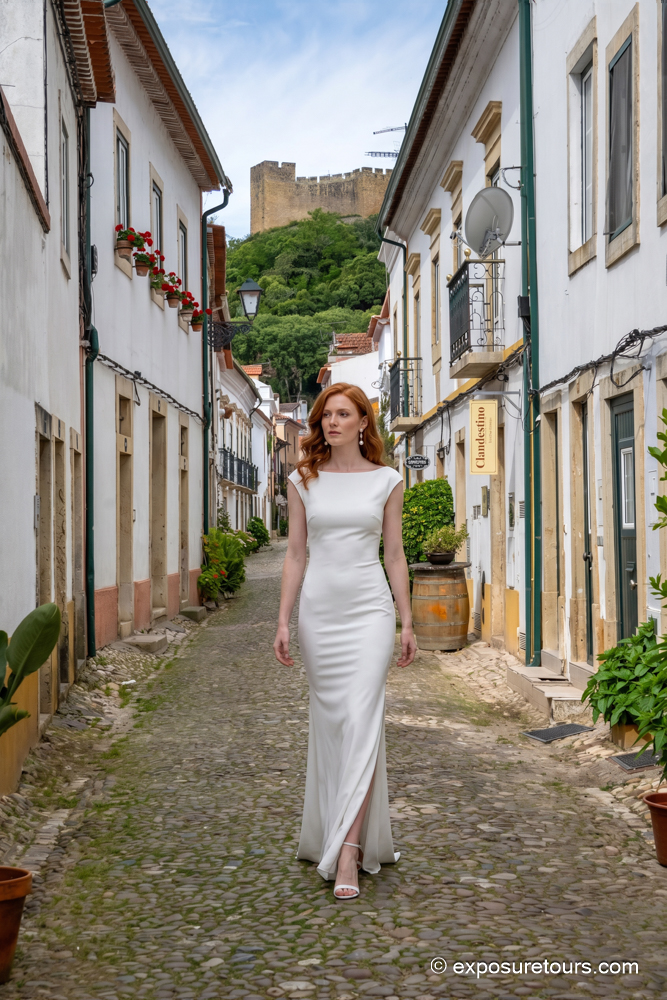
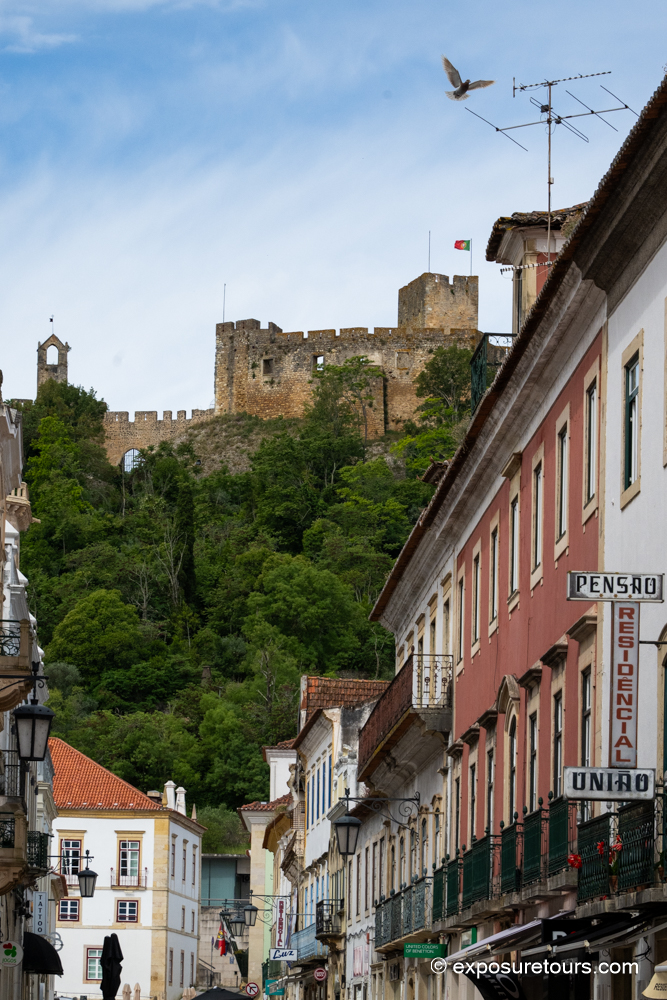
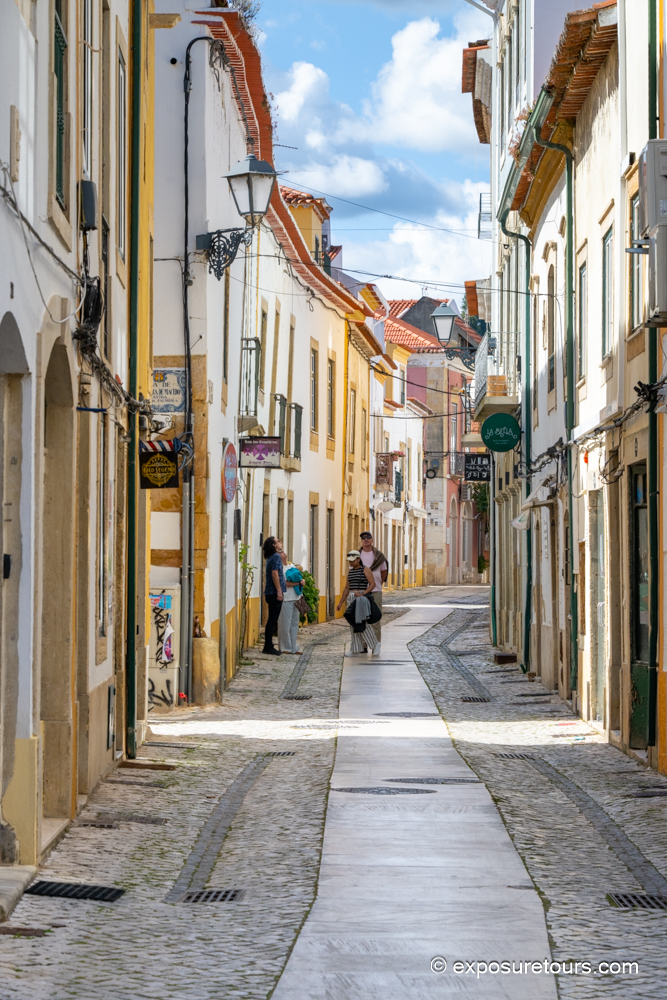
I had planned a shoot using some of the surrounding villages using dramatic backdrops for fashion concepts and location tests. Their quiet cobbled streets and historic buildings offered exactly the contrast I was looking for.
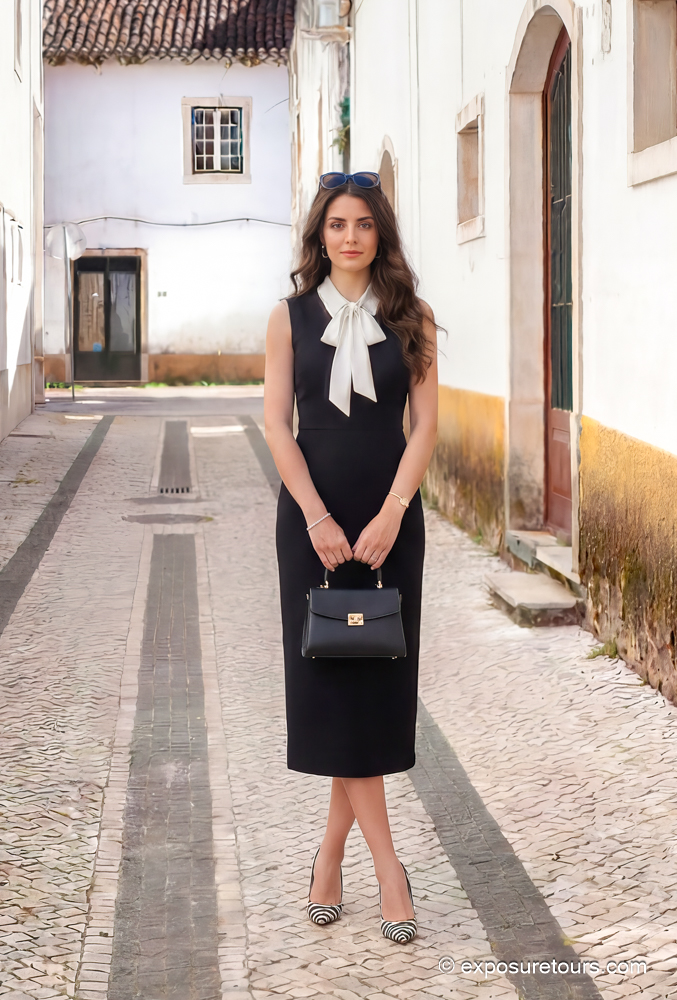
Unfortunately, the day took an unexpected turn.
While photographing one of the scenes, I slipped and managed to introduce my forehead to the corner of my Nikon Z9 camera.
The camera survived without a scratch.

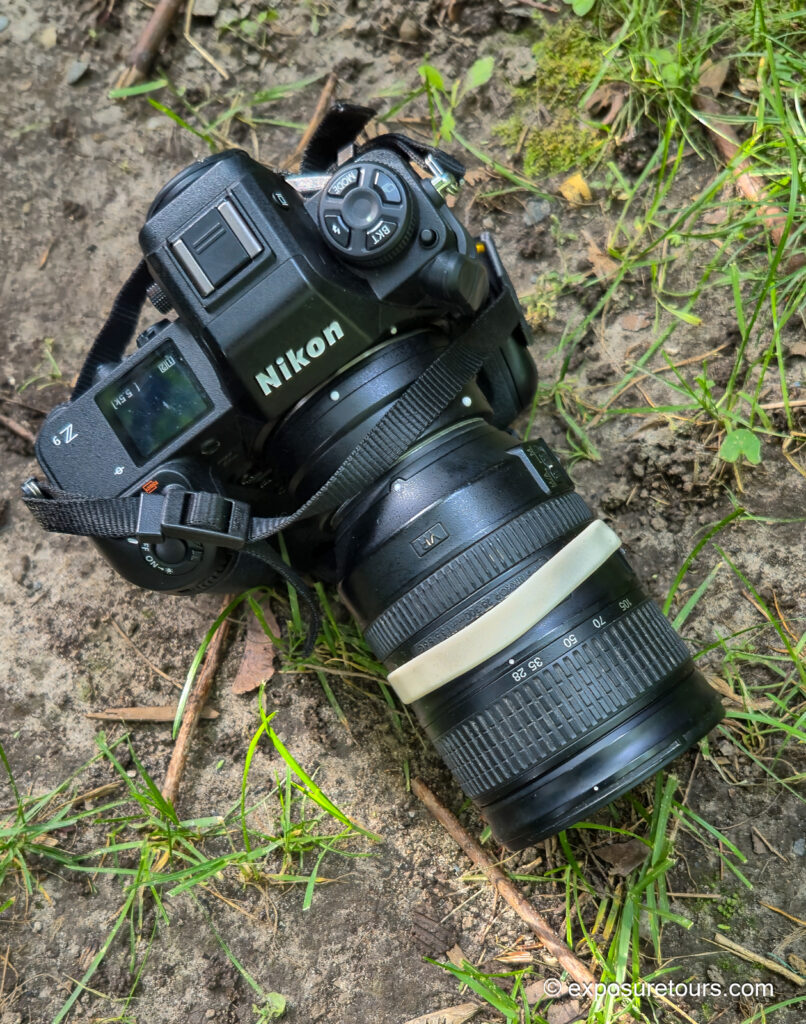
My forehead wasn’t quite so lucky.
Five stitches later, I found myself with an unexpected opportunity to experience Portugal’s healthcare system.
From the ambulance crew to the emergency room doctors and nurses, everyone was outstanding. Professional, efficient and incredibly kind, they turned what could have been a stressful experience into little more than an inconvenience. I was also pleasantly surprised by how affordable both the treatment and medication were. Not exactly the souvenir I had planned—but certainly one I won’t forget.
Day 5 – The Trip I Will Have to Finish
My final day was supposed to be one of the highlights of the journey—a full-day excursion exploring Sintra, the colourful Pena Palace, Cascais, and Cabo da Roca.
Unfortunately, with my head injury still requiring some recovery time, I made the difficult decision to cancel the tour.
Missing Sintra was disappointing. The dramatic hilltop palaces, misty forests, and fairy-tale architecture were exactly the kind of locations I love photographing. However, it also gives me the perfect excuse to return to Portugal and complete the journey properly.
Sometimes travel doesn’t always go according to plan, but those unexpected moments often become the stories we remember most.
Photography Tips
Lisbon is one of Europe’s most photogenic cities. Early morning provides soft light and quieter streets, while late afternoon bathes the city’s colourful buildings in warm golden tones.
Some of the best photography locations include:
- Miradouro da Senhora do Monte
- Miradouro de Santa Luzia
- Belém Tower
- Alfama’s narrow streets
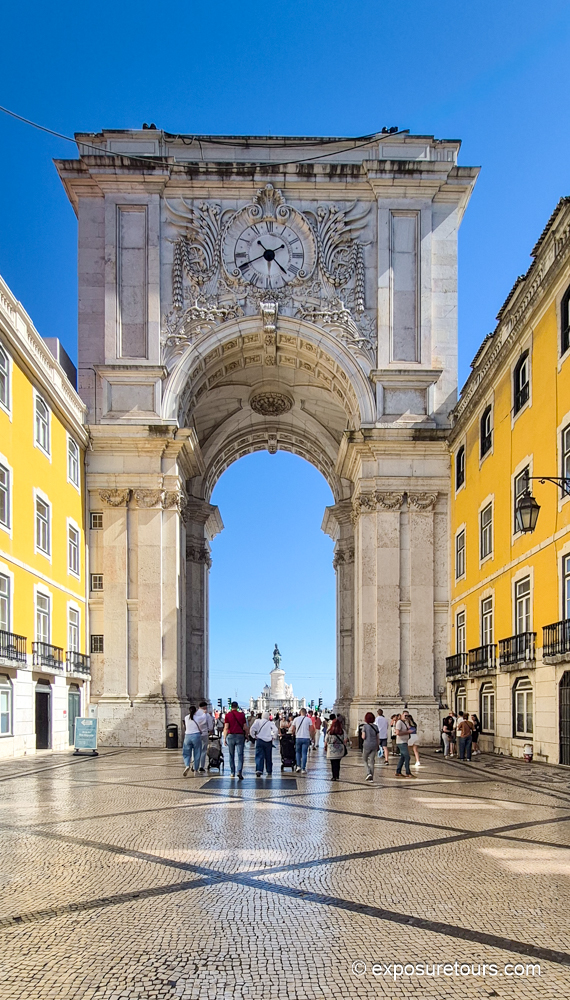
- Praça do Comércio
- The historic Tram 28
- The waterfront at sunset
Final Thoughts
Five days in Lisbon confirmed everything I had hoped for.
The city combines centuries of history, incredible food, vibrant neighbourhoods, and some of Europe’s most photogenic streets with an atmosphere that feels welcoming from the moment you arrive.
For photographers, Lisbon is a dream destination. The combination of changing light, colourful tiled buildings, historic trams, dramatic viewpoints, and everyday street life provides endless creative opportunities. The best images often come when you slow down, explore the side streets, and look beyond the obvious tourist locations.
While I wasn’t able to complete everything on my itinerary, that is often the beauty of travel. Lisbon has given me a reason to return—and next time, Sintra, Pena Palace, Cascais, and Cabo da Roca will be at the top of my list.
It’s been more than forty years since my last visit to Portugal, but I can assure you it won’t be another forty before I return.